
Singapore Airlines Scales Back Capacity Amid Asia Aviation Crisis: Long-Haul Routes to US, Europe Disrupted 2026
Singapore Airlines forced to reduce seat capacity and delay aircraft deliveries as geopolitical tensions, airspace congestion disrupt Asia-Pacific routes to US and Europe.

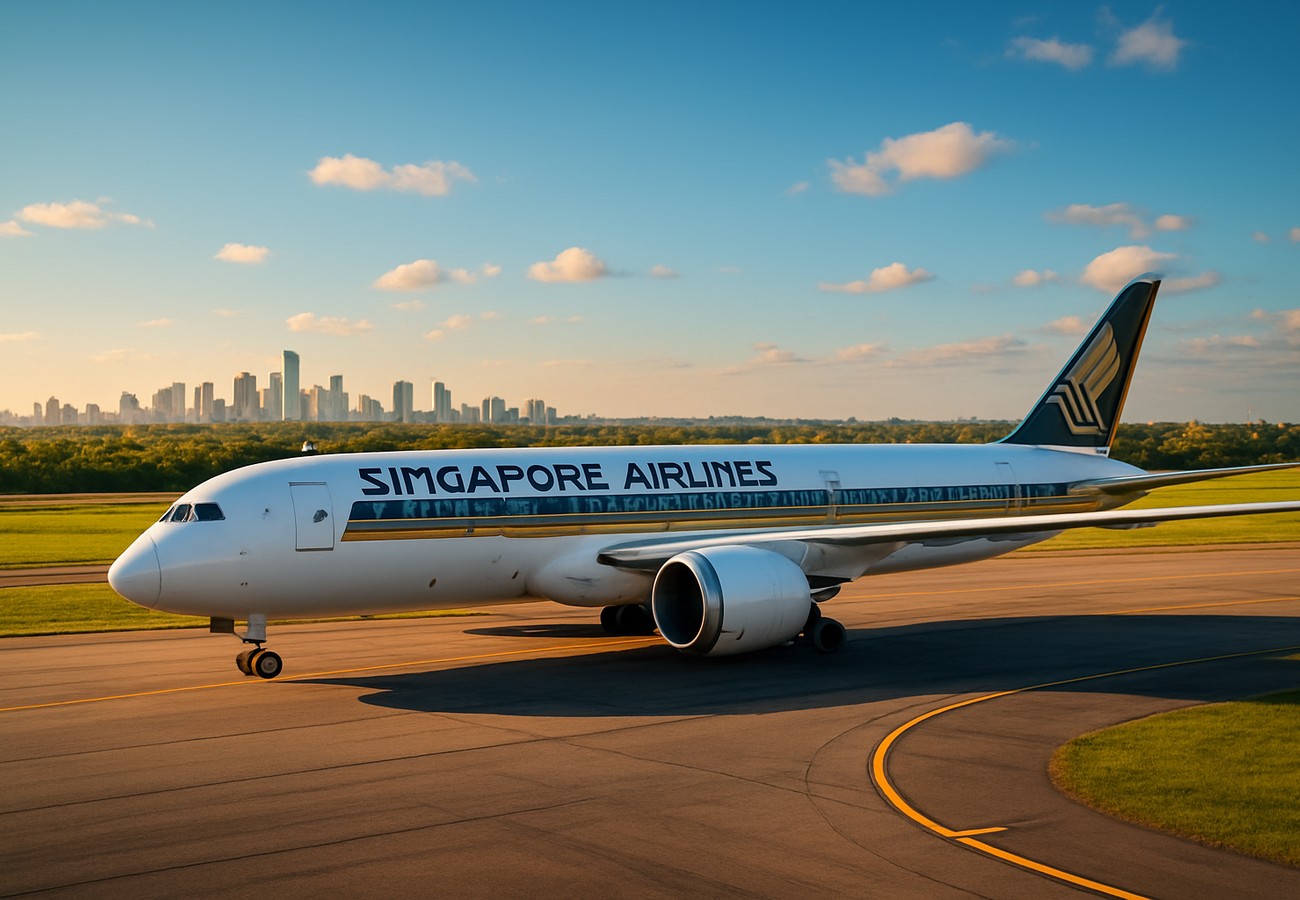
Image generated by AI
Singapore Airlines has been forced to scale back flight frequencies and reduce overall seat capacity as geopolitical tensions, airspace congestion, and aircraft delivery delays grip the Asia-Pacific region. The crisis is hitting key long-haul routes to the United States and Europe particularly hard, leaving travelers facing higher prices, fewer options, and unexpected cancellations across Southeast Asia.
What Sparked This Move
Asia's aviation sector, long considered the world's most dynamic, has collided with a perfect storm of operational and geopolitical challenges. Simultaneous airspace congestion, regulatory changes, and fluctuating demand have destabilized the region's recovery trajectory. Singapore Changi Airport, one of the busiest hubs in Southeast Asia, has struggled to manage traffic surges as airlines attempt to ramp up operations only to face sudden restrictions and capacity constraints.
The crisis compounds post-pandemic recovery challenges that have already tested global carriers. For Singapore Airlines, the impact has been acute: expansion plans for new international routes have been shelved, resources redirected to stabilize existing operations, and aircraft delivery schedules pushed back indefinitely.
Destinations and Routes in Focus
| Route Category | Impact Level | Key Challenge |
|---|---|---|
| Long-haul to United States | High | Reduced frequencies, higher fares |
| Long-haul to Europe | High | Delayed aircraft deliveries, capacity cuts |
| Intra-Asia connections | Medium | Airspace congestion, regulatory delays |
| Singapore Changi hub operations | High | Ground congestion, staff pressure |
Singapore Airlines has been forced to scale back flight frequencies, leading to revenue losses and a decline in overall seat capacity. Delays in new aircraft deliveries are compounding the problem, forcing the carrier to operate at reduced capacity on its most profitable routes. Travelers on premium long-haul services—particularly those relying on the airline's flagship Airbus A350 and Boeing 777 cabins—face limited availability and elevated ticket prices.
What Travelers Get
- Reduced seat availability on US and European routes; expect 15-25% fewer weekly departures from Singapore Changi through mid-2026
- Price increases of 20-40% on long-haul bookings compared to pre-crisis fares, particularly for premium cabins
- KrisFlyer loyalty program members retain priority rebooking on alternate carriers, but redemption availability has tightened significantly
- Flight cancellations and delays averaging 2-4 hours on affected routes; some services consolidated or rerouted through alternative hubs
- Refund and rebooking policies extended through April 2026, but alternative routing may add 6-12 hours to total journey time
What This Means for Travelers
Book early and remain flexible on dates if traveling from Singapore to North America or Europe before mid-2026. Monitor Singapore Airlines official channels for schedule updates, as frequencies may shift weekly. Consider alternative carriers or routing through regional hubs like Bangkok or Kuala Lumpur if direct availability is limited. If you hold KrisFlyer miles, use them strategically now—redemption inventory is constrained. For business travelers, build extra buffer time into connections and confirm flights 48 hours before departure.
FAQ: Singapore Airlines Asia Aviation Crisis 2026
Q: Why is Singapore Airlines reducing capacity? A: Delays in new aircraft deliveries, airspace congestion at regional airports, and geopolitical tensions have forced the airline to operate at reduced capacity while stabilizing existing operations.
Q: Which routes are most affected? A: Long-haul services to the United States and Europe face the steepest cuts. Intra-Asia connections experience moderate disruption due to airspace congestion at hubs like Singapore Changi.
Q: Will tourism in Singapore recover? A: Tourism recovery in Singapore has been on a steady upward trajectory, but this crisis threatens to stall that momentum. Industry consultants expect stabilization by late 2026 if geopolitical tensions ease.
The Bigger Picture
The ripple effects extend far beyond Singapore Airlines alone. Singapore Changi Airport is facing mounting pressure from passenger delays, flight cancellations, and strained ground operations. Tourism stakeholders have flagged serious concerns: "Tourism recovery in Singapore has been on a steady upward trajectory, but this crisis threatens to stall that momentum," according to industry analysis. International visitor confidence is wavering as unpredictable schedules and price volatility complicate travel planning.
For business travelers, the disruption is particularly acute. Direct flights once taken for granted now require re-routing, adding 6-12 hours to journeys. Leisure travelers face similar challenges—vacations planned months in advance are now subject to last-minute schedule changes and premium pricing. The airline's premium offerings—including its celebrated KrisFlyer loyalty program—continue to attract loyal customers, but even elite members are experiencing tighter redemption availability and limited seat inventory.
Inside the Recovery Plan
Singapore Airlines has committed to enhancing operational efficiency and bolstering its financial position while maintaining service quality. The carrier's long-term strategy focuses on stabilizing current operations before expanding capacity. Industry observers note that demand for air travel in Asia may rebound more strongly in the latter half of 2026 as geopolitical tensions ease and the global economy stabilizes.
According to the International Air Transport Association (IATA), Asia-Pacific aviation faces a critical recovery window. Singapore Airlines remains committed to a balanced approach—delivering quality service while responding to external pressures. The airline's reputation for premium customer experience has helped it weather the storm better than many competitors, but sustained volatility in the months ahead remains a significant risk.
For the latest operational updates and schedule changes, consult Singapore Airlines' official newsroom and investor relations channels directly.
Related Travel Guides
Disclaimer
This article is for informational and educational purposes only. It does not constitute legal, financial, or professional advice. While we strive to provide accurate and up-to-date information, travel policies, regulations, and conditions change rapidly. Always verify information with official sources before making travel decisions. Nomad Lawyer makes no representations about the accuracy, reliability, completeness, or suitability of the information provided. Readers should consult qualified professionals for advice specific to their circumstances. The views expressed in this article are those of the author and do not necessarily reflect the views of Nomad Lawyer.
Kunal K Choudhary
Co-Founder & Contributor
A passionate traveller and tech enthusiast. Kunal contributes to the vision and growth of Nomad Lawyer, bringing fresh perspectives and driving the community forward.
Learn more about our team →