
Sequoia National Park Emergency Alert: Heatwave Fatalities and New Safety Protocols for 2026 Visitors
Urgent travel alert for Sequoia National Park following a fatality at the General Sherman Tree Trail during an extreme heatwave and rising emergency rescue operations.

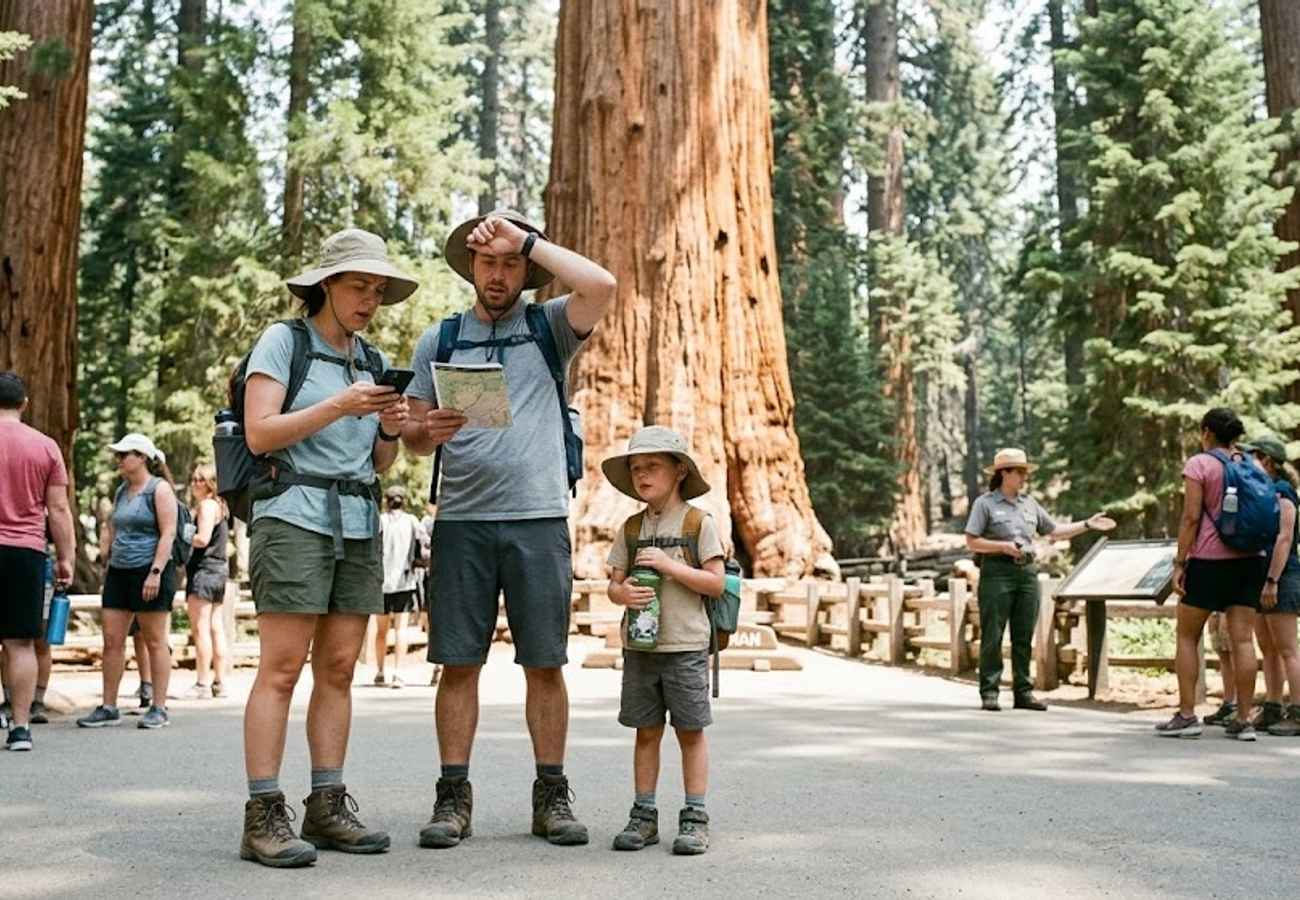
Image generated by AI
Urgent: A surge in extreme temperatures and a recent fatality at the General Sherman Tree Trail have triggered critical safety warnings for all visitors to Sequoia National Park.
The Disruption Details
Sequoia National Park is currently experiencing an unprecedented heatwave, coinciding with record-breaking visitor volumes for the 2026 summer season. The National Weather Service and National Park Service have issued extreme climate warnings as temperatures in the Sierra Nevada region reach dangerous levels.
On Thursday, July 23, 2026, the Tulare County Sheriff’s Office responded to a severe medical emergency on the General Sherman Tree Trail. A 79-year-old tourist from Henderson, Nevada, suffered a medical crisis on the one-mile paved pathway leading to the world's largest tree. Despite immediate life-saving efforts by first responders, the individual passed away. While officials have not formally linked the death to the weather, the incident occurred during an active federal extreme heat warning.
Flight & Airport Impact Breakdown
While the disruption is primarily terrestrial, the influx of "record-breaking" tourist volumes is impacting regional logistics:
- Visitor Hubs: Massive congestion reported at park entrances and parking facilities.
- Emergency Services: National Park Service rangers are conducting dozens of search and rescue operations weekly.
- Regional Infrastructure: Increased pressure on local medical units and emergency hydration stations due to heat-related illnesses.
- Safety Incidents: Recent fatalities include a teenager swept away by a river in June and a double drowning at Roaring River Falls.
Passenger Rights & Advisory (Information Gain)
For travelers visiting U.S. National Parks during extreme weather events, "rights" are less about financial compensation and more about the "Duty of Care" and safety mandates provided by federal agencies.
Our analysis of current National Park Service (NPS) safety protocols suggests that visitors should treat these warnings as mandatory operational directives. For the affected traveler, this means:
- Thermal Regulation: You must prioritize moisture-wicking clothing and wide-brimmed hats. Standard cotton clothing can increase the risk of heat stroke in the Sierra Nevada foothills.
- Hydration Requirements: Carry significantly more water than standard trail guides suggest. Our analysis indicates that the combination of altitude and 2026 heat spikes accelerates dehydration.
- Scheduling Shifts: Avoid hiking between 11:00 AM and 4:00 PM. Schedule activities for early morning or late evening to bypass peak UV exposure.
- Verification: Do not rely on third-party travel blogs. Use official NPS.gov portals and the National Weather Service for real-time trail closures and heat alerts.
Industry Analyst View
The eco-tourism sector is currently navigating a complex paradox: pent-up consumer demand is driving attendance figures that shatter previous forecasts, even as environmental conditions become more hostile.
The operational pivot is evident in the accelerated deployment of mobile medical units and the implementation of stricter "dress code" warnings for hikers. The synergy between private guiding companies and public search-and-rescue teams is now a necessity rather than a luxury, as the volume of "unprepared" tourists increases the strain on federal resources.
The wilderness remains open, but the margin for error has vanished.
Related Travel Guides
Disclaimer
This article is for informational and educational purposes only. It does not constitute legal, financial, or professional advice. While we strive to provide accurate and up-to-date information, travel policies, regulations, and conditions change rapidly. Always verify information with official sources before making travel decisions. Nomad Lawyer makes no representations about the accuracy, reliability, completeness, or suitability of the information provided. Readers should consult qualified professionals for advice specific to their circumstances. The views expressed in this article are those of the author and do not necessarily reflect the views of Nomad Lawyer.
Preeti Gunjan
Contributor & Community Manager
A passionate traveller and community builder. Preeti helps grow the Nomad Lawyer community, fostering engagement and bringing the reader experience to life.
Learn more about our team →