
Senegal Regional Travel Alert: Logistical and Payment Shifts
Critical update on Senegal travel: Navigating payment shifts in Dakar, coastal logistics in Saly, and security protocols for Casamance region transit.

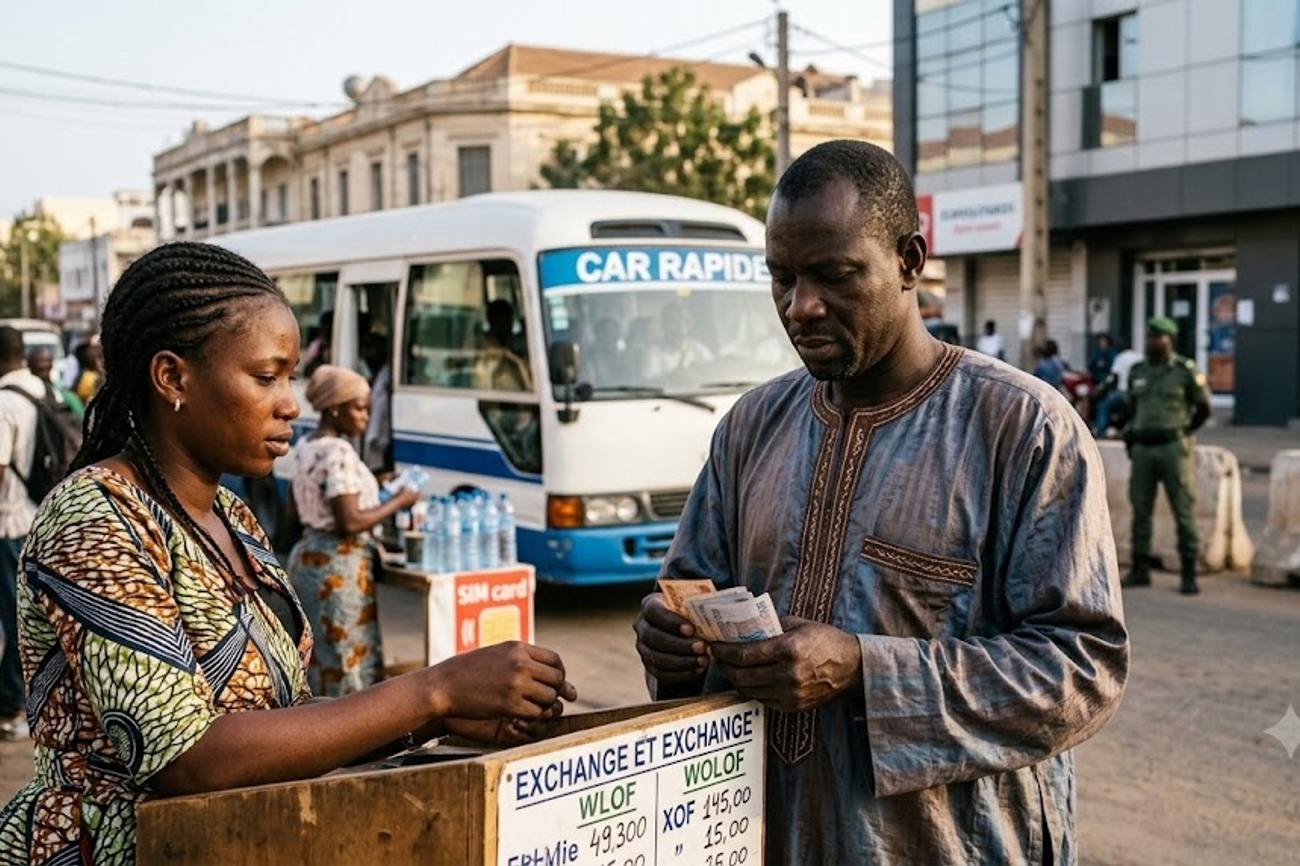
Image generated by AI
Current analysis of Senegal's tourism infrastructure reveals a significant divide between the urbanized Dakar peninsula and the remote southern corridors. While the country remains a primary West African destination, visitors must navigate distinct operational environments across three primary zones.
Regional Disruption & Infrastructure Breakdown
- Dakar (Urban Gateway): High connectivity and maximum service availability. This is the primary hub for international arrivals and the only region with comprehensive financial services.
- Saly & Petite Côte (Coastal Zone): Established tourism infrastructure concentrated in resorts and hotels. While accessible from Dakar, services drop off rapidly outside of designated resort perimeters.
- Casamance (Southern Region): High-complexity zone. Destinations including Ziguinchor and Cap Skirring require independent transportation planning. This region is geographically isolated from the capital and subject to different operational rules.
Critical Payment & Currency Advisory
Our analysis of the local financial landscape indicates a transition toward mobile-first transactions, though international travelers remain largely excluded from these systems.
- Mobile Money: Wave and Orange Money dominate metropolitan transactions. However, these are primarily accessible to local residents.
- Credit Cards: Acceptance is strictly limited to high-end hotels and established international businesses in Dakar and Saly.
- Cash Dependency: The West African CFA franc remains the only universal payment method.
- Passenger Action: For the affected traveler, this means securing sufficient physical currency in Dakar before departing for the Petite Côte or Casamance, as ATM availability and currency exchange diminish in rural sectors.
Transit & Security Protocols: Casamance Region
Travel to southern Senegal involves higher logistical risk and stricter oversight than northern corridors.
- Checkpoint Requirements: Visitors traversing southern corridors will encounter localized checkpoints. Compliance with regional access procedures is mandatory.
- Logistical Planning: Due to geographical separation from Dakar, transit times to Casamance are significantly extended.
- Operational Advice: Travelers should verify current regional access conditions and secure pre-arranged transportation to avoid delays at checkpoints.
Industry Analyst View
The shift toward mobile payments (Wave/Orange Money) is transforming the domestic economy, but a "payment gap" persists for international tourists. Until these platforms integrate seamless international onboarding, Senegal remains a cash-heavy destination for foreigners. Furthermore, the disparity in infrastructure between the Dakar-Saly corridor and the Casamance region suggests that "all-inclusive" itineraries require rigorous vetting of ground transport providers to ensure compliance with southern security protocols.
Related Travel Guides
Disclaimer
This article is for informational and educational purposes only. It does not constitute legal, financial, or professional advice. While we strive to provide accurate and up-to-date information, travel policies, regulations, and conditions change rapidly. Always verify information with official sources before making travel decisions. Nomad Lawyer makes no representations about the accuracy, reliability, completeness, or suitability of the information provided. Readers should consult qualified professionals for advice specific to their circumstances. The views expressed in this article are those of the author and do not necessarily reflect the views of Nomad Lawyer.
Preeti Gunjan
Contributor & Community Manager
A passionate traveller and community builder. Preeti helps grow the Nomad Lawyer community, fostering engagement and bringing the reader experience to life.
Learn more about our team →