
How 'Selfie Tourism' is Redefining Global Travel Patterns in New York, Orlando, and Beyond in 2026
Social media platforms like TikTok and Instagram are fundamentally altering how travelers choose destinations, driving a massive surge in 'selfie tourism' across major hubs like New York City and Orlando.

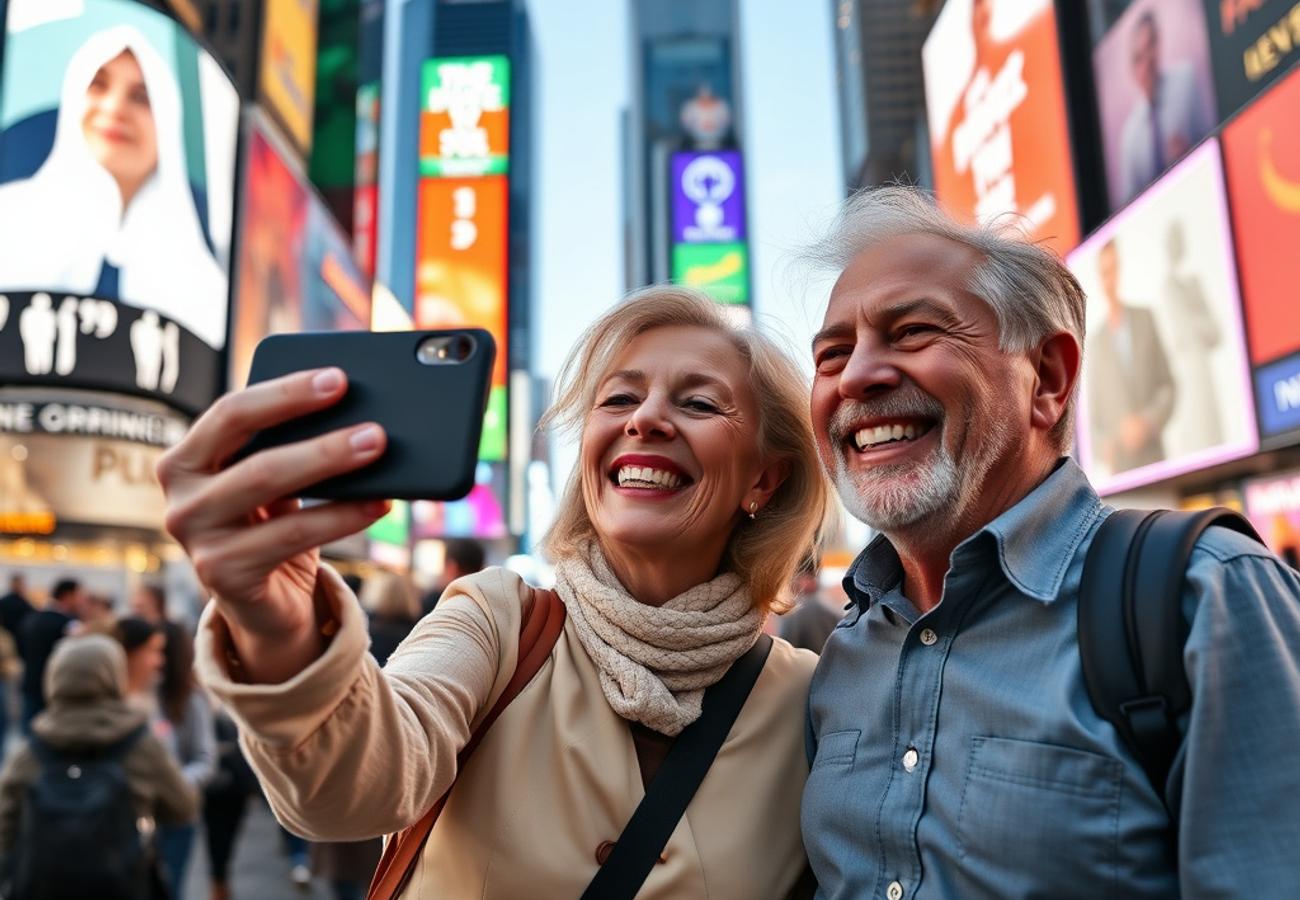
Image generated by AI
The pursuit of the "perfect snap" is no longer a byproduct of travel—it is now the primary driver. From the neon lights of Times Square to the blue domes of Santorini, social media is fundamentally restructuring global tourism economies.
The traditional travel itinerary, once built around historical significance or cultural immersion, has shifted toward visual shareability. "Selfie tourism"—the act of visiting locations specifically to capture content for platforms like Instagram, YouTube, and TikTok—has evolved into a dominant force shaping how airlines, hotels, and local governments manage their visitor flows.
This shift is creating a symbiotic relationship between digital visibility and economic growth. As travelers seek out photogenic backdrops, they stimulate spending across the entire travel ecosystem, from premium airfare and luxury accommodations to local dining and specialized tour operators.
The Economic Engine of Visual Appeal
For modern destinations, visual appeal is now a critical currency. The desire for "Instagrammable" moments has turned niche locations into global hotspots overnight. This trend is not merely a social phenomenon but a significant economic driver, generating billions in revenue for the travel industry.
To keep pace, cities and landmarks are investing in infrastructure specifically designed to accommodate high volumes of photographers. This includes improved viewing platforms, curated "photo spots," and enhanced visitor management systems to protect iconic sites from the sheer volume of day-trippers and tour groups.
Urban Hubs: The Dominance of New York City and Orlando
In the United States, two distinct models of selfie tourism have emerged: the urban landmark and the immersive experience.
New York City: The Urban Backdrop NYC remains a global leader in urban photography. The city's architectural scale and iconic status make it a magnet for international visitors. Key locations such as the Brooklyn Bridge, the Empire State Building, and the Statue of Liberty provide the high-contrast, recognizable imagery that performs well on social algorithms. The seasonal variety—ranging from Central Park's spring blooms to the winter holiday displays—ensures a year-round stream of content creators.
Orlando: The Immersive Fantasy Conversely, Orlando has mastered the art of the "curated experience." Walt Disney World and other theme parks are designed as immersive environments where every corner is a potential photo opportunity. From Cinderella Castle to the futuristic vistas of EPCOT, the focus here is on storytelling through imagery, allowing families to document their vacations as a series of high-impact visual highlights.
Global Hotspots and Their Visual Draws
The phenomenon extends far beyond the U.S., with international destinations pivoting their marketing to highlight specific "hero shots" that attract global audiences.
| Destination | Country | Primary Driver for US Tourists | Top Selfie Locations | Tourism Appeal |
|---|---|---|---|---|
| New York City | United States | Iconic skyline, landmarks, entertainment | Times Square, Brooklyn Bridge, Central Park | Urban landmarks, cityscape |
| Walt Disney World | United States | Family holidays, theme parks | Cinderella Castle, EPCOT, Animal Kingdom | Theme park, family travel |
| Grand Canyon | United States | Natural wonders, outdoor adventure | South Rim, Mather Point, Skywalk | Nature, landscape photography |
| Venice Beach | United States | Beach lifestyle, street culture | Venice Sign, Skate Park, Muscle Beach | Coastal, lifestyle travel |
| Niagara Falls | US/Canada | Spectacular waterfalls, honeymoons | Horseshoe Falls, Observation Deck | Nature, cross-border travel |
| Santorini | Greece | Luxury, Mediterranean scenery | Oia Blue Domes, Caldera Cliffs | Island tourism, honeymoons |
| Paris | France | Romance, historic landmarks | Eiffel Tower, Louvre Pyramid, Seine River | Cultural tourism, city breaks |
| Bali | Indonesia | Wellness, tropical influencer travel | Gates of Heaven, Bali Swing, Ubud | Wellness, tropical escapes |
| Dubai | UAE | Futuristic architecture, luxury | Burj Khalifa, Museum of the Future | Luxury, urban attractions |
| Amalfi Coast | Italy | Scenic drives, Mediterranean charm | Positano, Amalfi Harbour, Ravello | Coastal, luxury holidays |
| Dolomites | Italy | Alpine scenery, hiking | Tre Cime di Lavaredo, Lago di Braies | Mountain, eco-tourism |
| Keukenhof | Netherlands | Spring floral displays | Tulip Gardens, Flower Pavilions | Seasonal, garden tourism |
| Tokyo | Japan | Modern city life, anime, culture | Shibuya Crossing, Tokyo Tower, TeamLab | Urban, technology travel |
| Cinque Terre | Italy | Colorful coastal villages | Manarola Viewpoint, Vernazza Harbour | UNESCO sites, hiking |
| Iceland | Iceland | Northern Lights, geothermal landscapes | Blue Lagoon, Gullfoss, Geysir | Nature, wellness, adventure |
Natural Wonders and Lifestyle Aesthetics
Beyond the cities, nature-based tourism is being redefined by the "bucket list" mentality. The Grand Canyon serves as a prime example, where the scale of the landscape provides a timeless backdrop for adventure photography. This attracts a diverse demographic, from professional photographers to casual hikers, supporting the local economy through guided tours and specialized lodging.
Meanwhile, destinations like Miami blend the natural with the curated. By combining the turquoise waters of South Beach with the vibrant street art of Wynwood, Miami offers a multi-faceted visual palette that appeals to lifestyle influencers and luxury travelers alike.
Key Takeaways for the Modern Traveler
- Visual Planning: Travelers are increasingly planning trips based on "photo-lists" rather than traditional sightseeing guides.
- Economic Impact: High-visibility social media posts directly correlate to increased bookings for airlines and hotels in those specific regions.
- Infrastructure Shift: Destinations are actively redesigning public spaces to be more "photogenic" to attract younger, digitally-native demographics.
- Diversification: While cities lead, there is a growing trend toward "wellness" and "eco-tourism" photography in places like Bali and the Dolomites.
Frequently Asked Questions
What is selfie tourism? Selfie tourism is a travel trend where individuals visit specific locations primarily to take photographs of themselves or the scenery for sharing on social media platforms.
How does this affect local businesses? It generally increases foot traffic and revenue for hotels, restaurants, and attractions, though it can lead to overcrowding at specific "viral" photo spots.
Which platforms drive this trend the most? Instagram, TikTok, and YouTube are the primary drivers, as their visual-centric formats reward high-quality, aesthetically pleasing imagery.
The era of the silent traveler is over; the world is now a curated gallery of shared experiences.
Related Travel Guides
Disclaimer
This article is for informational and educational purposes only. It does not constitute legal, financial, or professional advice. While we strive to provide accurate and up-to-date information, travel policies, regulations, and conditions change rapidly. Always verify information with official sources before making travel decisions. Nomad Lawyer makes no representations about the accuracy, reliability, completeness, or suitability of the information provided. Readers should consult qualified professionals for advice specific to their circumstances. The views expressed in this article are those of the author and do not necessarily reflect the views of Nomad Lawyer.
Raushan Kumar
Founder & Lead Developer
Full-stack developer with 11+ years of experience and a passionate traveller. Raushan built Nomad Lawyer from the ground up with a vision to create the best travel and law experience on the web.
Learn more about our team →