
The Ultimate 2026 Paris Update: Crucial Navigation and Cultural Directives for American Tourists
As Paris completely restructures its transit grids and cultural protocols in a post-Olympics boom, American tourists must fiercely adapt to survive the new Parisian aesthetic.

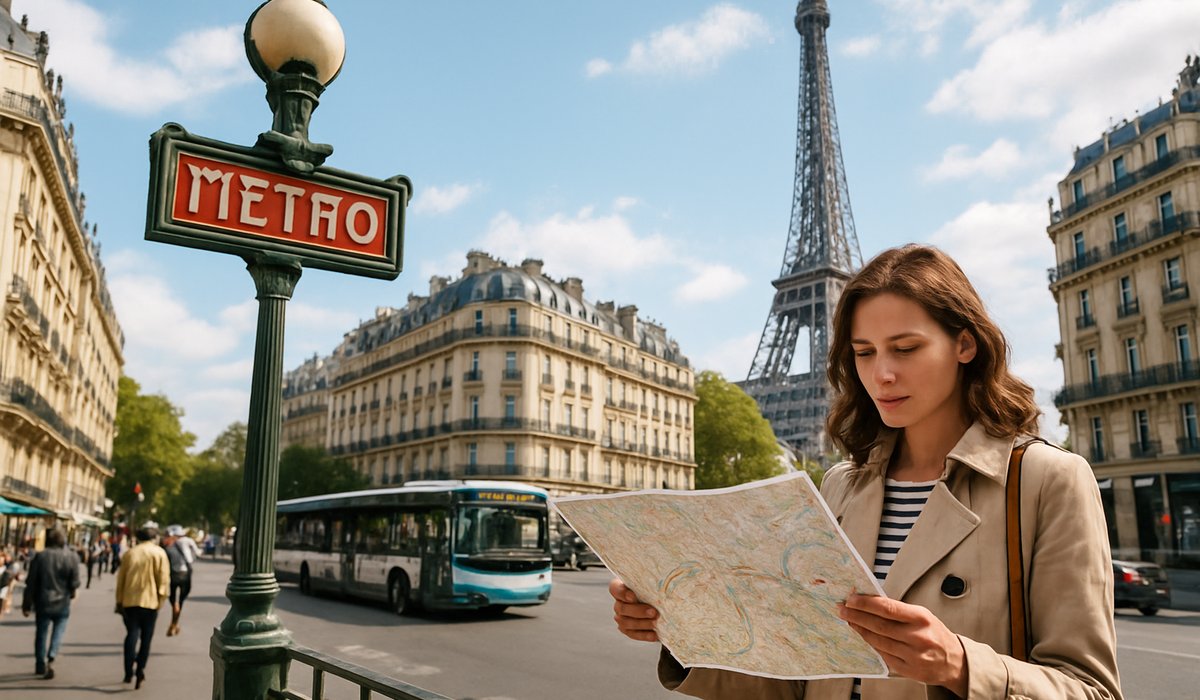
Image generated by AI
Surviving the Post-Olympic Parisian Reality
Still heavily riding the massive infrastructural surge initiated by the 2024 Olympic Games, Paris in 2026 is fundamentally not the same city it was a decade ago, forcing American tourists to radically update their travel protocols. The city's aggressive mayor has successfully executed a massive, historic war on vehicular traffic. Vast, legendary boulevards that once functioned as heavily congested, smog-filled roundabouts (like the area surrounding the Arc de Triomphe) have been violently re-engineered into highly prioritized, massive pedestrian zones and labyrinthian bike grids. For the arriving American tourist, expecting to traverse central Paris via a casual sequence of Uber rides is a mathematical impossibility.
This aggressive modernization extends deeply into Parisian hospitality and cultural expectations. The massive influx of global tourists has caused significant friction, pushing French locals to demand a much higher baseline of cultural respect from arriving Americans. Attempting to navigate the hyper-complex dining protocols or retail interactions utilizing the loud, aggressive customer-service standards of the United States will consistently result in profound isolation and terrible service. To successfully extract the luxury of Paris in 2026, the traveler must deeply assimilate via extreme geographical awareness and strict behavioral modification.
The Absolute Ban on Central Vehicles
The most critical operational update for any incoming tourist is the absolute destruction of the traditional taxi/rideshare model in the urban core.
Paris has actively enacted highly complex "Limited Traffic Zones" (ZTLs) essentially banning non-resident "through-traffic" in massive swaths of the city center (including the 1st, 2nd, 3rd, and 4th arrondissements). This means if your boutique hotel is physically located near the Louvre or Le Marais, your Uber mathematically cannot drop you off directly at the door. Travelers must aggressively adapt. The entire city now heavily relies on the vastly expanded, highly efficient Metro system (now featuring highly complex, entirely automated new lines) and an absolutely massive reliance on widespread, high-speed electric bike rentals. The 2026 Parisian commute is intensely physical.
Critical Behavioral Pivot: The American in Paris
| Cultural Action | The American Default | The Required Parisian Protocol |
|---|---|---|
| Entering a Store | Casual browsing without acknowledging staff. | Absolutely mandatory: Clearly stating "Bonjour" to the clerk immediately upon entry. |
| Dining Dynamics | Requesting constant modifications to dishes and demanding fast checks. | Deeply respecting the Chef's vision; the table is yours for hours, physically ask for the l'addition. |
| Transit Etiquette | Speaking loudly on the Metro. | Absolute, intense silence on all subterranean public transit. |
What Guests Get
- Redefining urban mobility — realizing that utilizing the massive new Parisian bike lanes is mathematically faster than utilizing the Metro or heavily restricted vehicular traffic.
- The power of "Bonjour" — grasping that this single word acts as a magical key in France; failing to use it designates you as a massive barbarian and mathematically guarantees terrible service.
- Micro-economic dining — understanding that attempting to tip 20% in a Paris restaurant is deeply unnecessary, the 15% service charge is mathematically and legally included in the menu price.
What This Means for Travelers
If you are building a Paris itinerary in 2026: You must consciously reject the chaotic, overstuffed schedule. Traveling between massive monuments now requires heavy physical movement. Plan your itinerary in extremely tight geographic clusters. Attempting to see the Sacré-Cœur in Montmartre, immediately followed by the Eiffel Tower in the 7th arrondissement, completely destroys your afternoon in punishing transit. Group the Louvre, the Tuileries, and Le Marais together. The true luxury of Paris lies not in rushing between checkpoints, but in sitting heavily immobile in a highly localized neighborhood cafe for three hours.
The Post-Olympics Pricing Reality: Be deeply aware that the massive global renovations executed to clean the Seine and modernize the Metro lines were profoundly expensive. Paris is aggressively recouping these absolute costs via severe increases in localized tourist taxes, exorbitant museum entry fees, and heavily inflated central hotel pricing. The "budget European vacation" in central Paris has been mathematically eradicated. To survive, you must heavily rely on the brilliant local bakeries (boulangeries) for massive, cheap culinary sustenance rather than sitting down for three expensive restaurant meals a day.
FAQ: Navigating Modern Paris
Do I need physical Euro cash? Extremely rarely. Post-pandemic Paris has executed an almost total pivot to contactless payment technology (Apple Pay/cards). Even tiny, highly historic bakeries mathematically prefer a quick "tap" for a €2 baguette over breaking massive physical bills.
Are the Metro strikes still a massive problem? Yes. French labor culture heavily utilizes public transportation strikes as a deeply entrenched negotiating tactic. You must aggressively monitor the RATP (transit authority) mobile app daily; a sudden, massive strike can completely cripple your journey to Charles de Gaulle airport.
Why is everyone so quiet on the train? It is a deeply strict, unspoken cultural protocol. The morning commute in Paris is considered private time. Americans speaking at full volume about their itinerary across the carriage are considered incredibly disruptive and highly disrespectful of local peace.
External Resources
Related Travel Guides
The Ultimate Guide to Decoding the Paris Metro System
Mastering French Cafe Culture: How to Not Look Like a Tourist
The Best Pedestrian Zones in Post-Olympic Paris
ZTL zones), exact transit costs, and active cultural operating protocols deeply reflect verified civic mandates and tourism trends in Paris as of April 2026. Public transit availability is permanently subject to sudden, severe disruption by localized French labor movements (grèves).
Disclaimer
This article is for informational and educational purposes only. It does not constitute legal, financial, or professional advice. While we strive to provide accurate and up-to-date information, travel policies, regulations, and conditions change rapidly. Always verify information with official sources before making travel decisions. Nomad Lawyer makes no representations about the accuracy, reliability, completeness, or suitability of the information provided. Readers should consult qualified professionals for advice specific to their circumstances. The views expressed in this article are those of the author and do not necessarily reflect the views of Nomad Lawyer.
Raushan Kumar
Founder & Lead Developer
Full-stack developer with 11+ years of experience and a passionate traveller. Raushan built Nomad Lawyer from the ground up with a vision to create the best travel and law experience on the web.
Learn more about our team →