
Seibu Railway to Upcycle 144 Series 20000 Train Cars at Hitachi Kasado Works by 2028
Seibu Railway is defying industry norms by refurbishing 144 Series 20000 train cars instead of scrapping them, utilizing a closed-loop manufacturing process at Hitachi's Kasado Works.

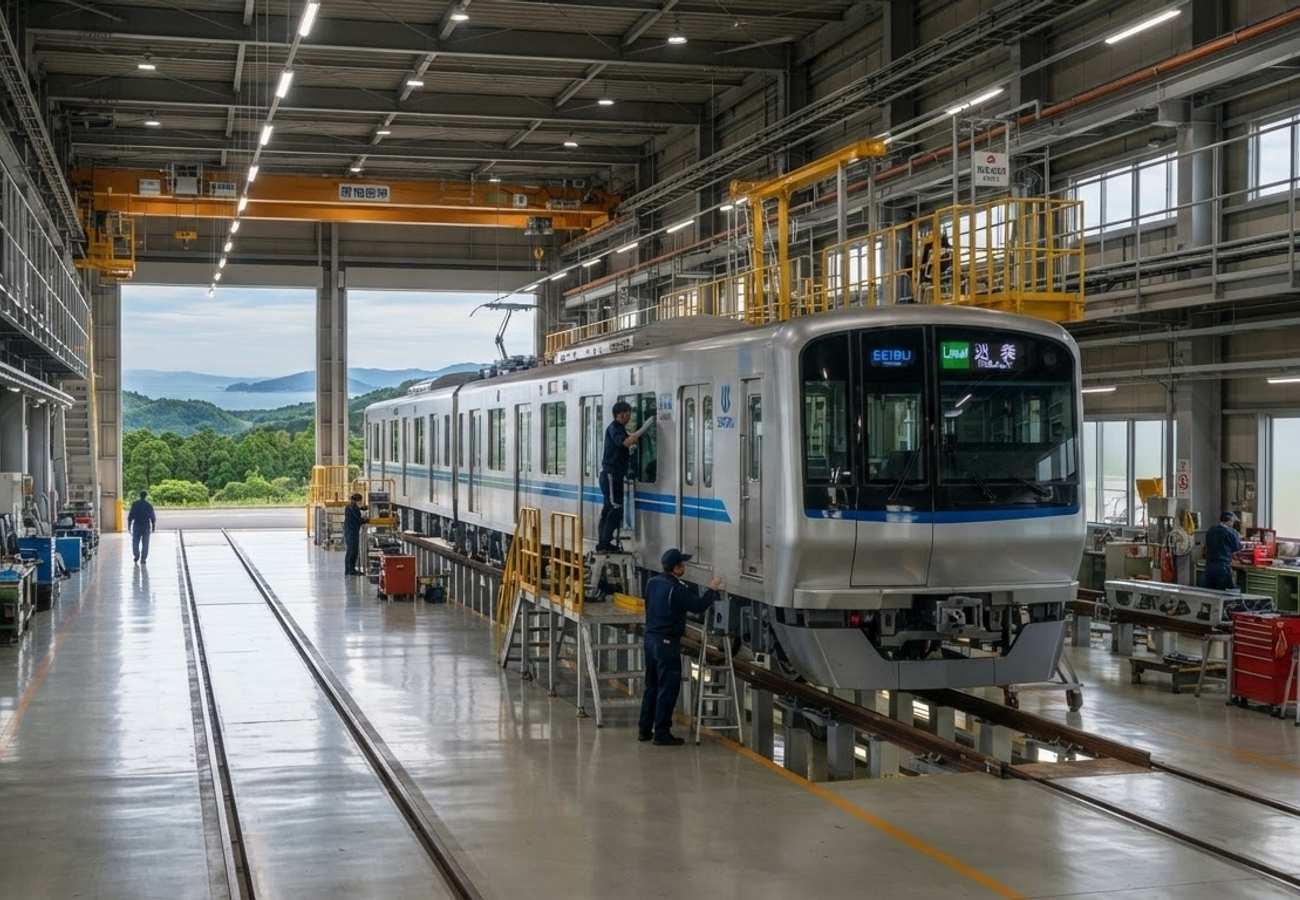
Image generated by AI
Seibu Railway is abandoning the traditional "scrap and buy" cycle to refurbish 144 Series 20000 train cars, extending their operational life by 15 to 20 years while reducing carbon emissions by approximately 60%.
The Shift Toward Circular Rail Manufacturing
In the Tokyo metropolitan area, the standard rail industry practice dictates that rolling stock reaching the 25-year mark is decommissioned and sent to scrapyards. Seibu Railway is breaking this cycle. Starting in 2028, the operator will implement a large-scale upcycling project for 144 cars of its Series 20000 fleet, opting for structural modernization over total replacement.
This transition is driven by global increases in transportation costs, resource scarcity, and Japan's commitment to net-zero emissions. By preserving the structural aluminium shells and foundational interior frames, Seibu Railway avoids the energy-intensive process of smelting and assembling new heavy railway cars from raw materials.
The Kasado Works Manufacturing Loop
The logistics of this project center on a "return to origin" strategy. All 144 train cars will be transported to Hitachi’s Kasado Works facility in Kudamatsu, Yamaguchi Prefecture. This represents a historical first for Japanese rail: rolling stock returning to its original assembly line for a complete structural and mechanical overhaul.
Returning to the original manufacturer provides four distinct engineering advantages:
- Architectural Precision: Access to original 1999–2000 engineering schematics and metallurgy reports.
- Specialized Infrastructure: Use of dedicated refurbishment bays tailored specifically to the Series 20000 layout.
- Expert Labor: Access to technicians who also maintain high-speed Shinkansen and municipal monorails.
- Quality Control: Strict adherence to original structural tolerance checks.
Comparison: Traditional Scrapping vs. Closed-Loop Modernization
The following table outlines the operational differences between the industry-standard replacement model and Seibu Railway's circular approach.
| Metric / Operational Area | Traditional Replacement Strategy | Seibu Closed-Loop Modernization |
|---|---|---|
| Fleet Scope | 144 Entirely New Train Cars | 144 Refurbished & Modernised Cars |
| Primary Location | Varied Third-Party Factories | Kasado Works (Yamaguchi Prefecture) |
| Service Entry Target | Long Engineering Timelines | Phased Rollout From 2028 |
| Structural Shell Life | Terminated at 20–25 Years | Extended by 15–20 Years |
| Interior Approach | Full Re-fabrication | Target Refresh (Seats/Flooring) |
| Accessibility | Mixed Standard Retrofits | Universal Barrier-Free Spaces in Every Car |
| Industrial Footprint | Heavy Raw Material Extraction | Industrial Remanufacturing & Reuse |
Passenger Experience and Accessibility Upgrades
While the project is an industrial achievement, the 2028 rollout focuses heavily on commuter usability. The Series 20000 trains, which first entered service in February 2000, will be updated to meet contemporary transit standards without altering the original structural layout.
Key upgrades include:
- Universal Free Spaces: Every car will feature dedicated areas for wheelchairs, baby strollers, and oversized luggage.
- Ergonomic Overhaul: New seat cushions and durable upholstery designed for high-density daily use.
- Aesthetic Refresh: New interior lighting and floor panels.
- Resource Conservation: Functional elements, such as overhead luggage racks, will be cleaned and retained to minimize waste.
Infrastructure and Regional Impact Assessment
This initiative has significant implications for regional connectivity and environmental targets. Seibu Railway serves over 1.5 million daily passengers across Tokyo and Saitama; therefore, maintaining fleet reliability is a matter of regional economic stability.
From a data perspective, this model proves that extending the operational service life from 25 to over 40 years is a viable alternative to new procurement. With over 35% of major passenger rail operators globally now exploring life-extension projects to hedge against material price volatility, Seibu Railway is positioning itself as a leader in sustainable transit.
Traveler Logistics Guide: Navigating Tokyo's Evolving Rail
From a ground-level perspective, the transition to refurbished fleets typically means a phased rollout. Travelers using Seibu lines leading up to and after 2028 should keep the following in mind:
1. Navigating Barrier-Free Access The commitment to "Universal Free Spaces" in every car is a major win for travelers with heavy luggage or mobility aids. When boarding, look for the designated accessibility signage, which will be standardized across the refurbished Series 20000 fleet.
2. Digital Integration While the shells are old, the internal electronics are being modernized. Ensure your IC cards (Suica/Pasmo) are updated. For those utilizing digital transit policies like Digi Yatra in other regions, expect similar seamless digital integration as Japan continues to modernize its ticketing interfaces.
3. Connection Planning During the phased rollout in 2028, some lines may experience slight scheduling adjustments as older cars are rotated out for refurbishment. Always check the official Seibu Railway app or station monitors for real-time platform changes.
A blueprint for the future of sustainable urban mobility.
Related Travel Guides
Disclaimer
This article is for informational and educational purposes only. It does not constitute legal, financial, or professional advice. While we strive to provide accurate and up-to-date information, travel policies, regulations, and conditions change rapidly. Always verify information with official sources before making travel decisions. Nomad Lawyer makes no representations about the accuracy, reliability, completeness, or suitability of the information provided. Readers should consult qualified professionals for advice specific to their circumstances. The views expressed in this article are those of the author and do not necessarily reflect the views of Nomad Lawyer.
Preeti Gunjan
Contributor & Community Manager
A passionate traveller and community builder. Preeti helps grow the Nomad Lawyer community, fostering engagement and bringing the reader experience to life.
Learn more about our team →