
Seats shrinking surcharges climbing as Middle East crisis doubles jet fuel costs for Australian travelers
Australian airlines are slashing capacity and imposing sharp fuel surcharges as jet fuel prices double amid Middle East conflict. Airlines cut routes, raise fares 10-15%, and reroute aircraft as aviation fuel exemptions leave carriers bearing full cost burden.

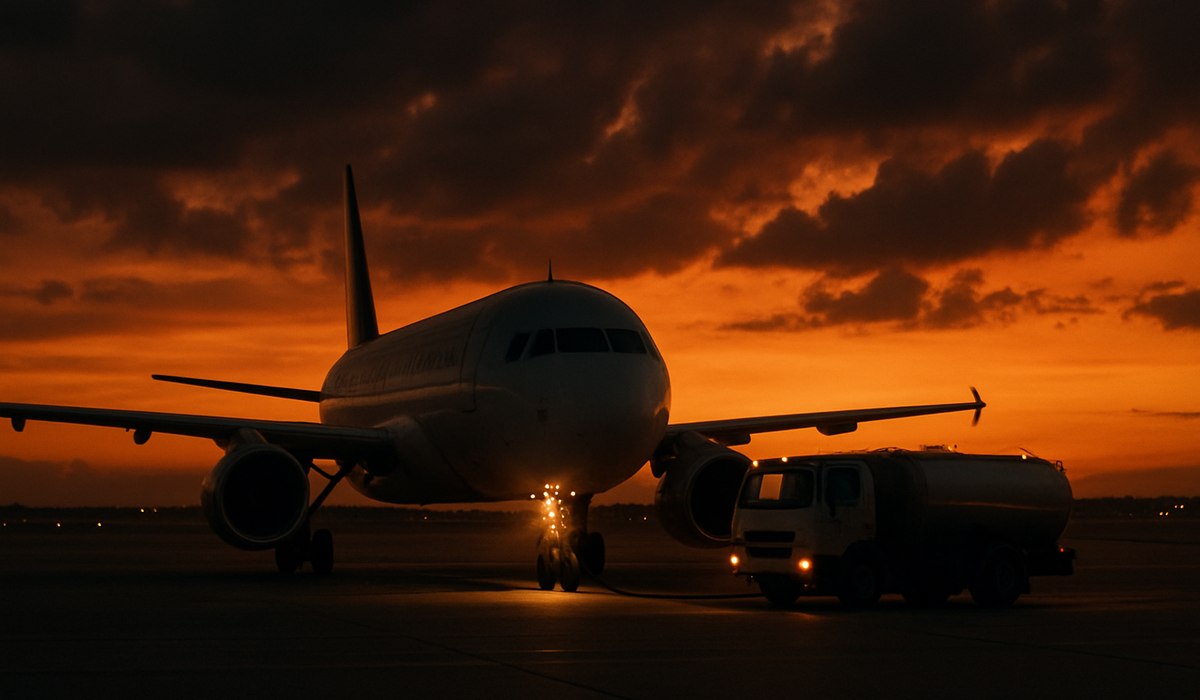
Image generated by AI
Australian Airlines Cut Capacity as Fuel Surcharges Soar
Australian carriers are implementing dramatic capacity reductions and fuel surcharges as jet fuel prices surge following Middle East supply disruptions. Since late February, aviation fuel has doubled from approximately US$85–$95 per barrel to US$190–$200 within weeks—a historic spike that Australian airlines cannot absorb. Unlike domestic fuel excise cuts benefiting motorists, aviation fuel remains exempt from government relief, forcing carriers to pass costs directly to passengers through higher fares and additional charges. Qantas, Virgin Australia, Jetstar, and Air New Zealand have all announced significant operational changes, affecting thousands of travelers booking Australian routes during what should be peak travel season.
Fuel Crisis Hits Aviation Hard: Surcharges Soar for Australian Routes
The geopolitical tensions in the Middle East have triggered one of aviation's sharpest fuel cost spikes on record. Jet fuel prices have doubled in mere weeks, yet Australian airlines receive zero benefit from the government's halved fuel excise, which applies only to road transport. International carriers like United Airlines and JetBlue have already hiked baggage fees, while Qantas has flagged more frequent fare reviews to protect profit margins. Air New Zealand has raised fares 10–15 percent on trans-Tasman routes and cut approximately 1,100 flights through early May. These seats shrinking surcharges represent the most visible consumer impact of global supply chain vulnerabilities that Australia cannot independently control.
Australia's critical dependence on imported jet fuel magnifies this crisis. Over 80 percent of Australian aviation fuel originates from Asian refineries in South Korea, China, and other regional suppliers. China has significantly restricted fuel exports, while South Korean suppliers face mounting domestic pressure as Korean Air, Asiana, and T'way enter emergency management protocols. With Australian jet fuel reserves estimated at 29–32 days and supply routes tightening, May 2026 is anticipated as the pressure point when shortages could intensify. This supply squeeze underscores how exposed Australian aviation is to international energy markets and geopolitical events beyond domestic policy reach.
How the Middle East Conflict is Reshaping Flight Capacity
Flight networks are being fundamentally restructured as airlines adjust capacity and reroute aircraft. Virgin Australia has cancelled Doha services until at least mid-June, suspending a relatively new route launched in 2025 using wet-leased Qatar Airways aircraft. Jetstar has trimmed approximately 12 percent of trans-Tasman flights for May, while Asian hub congestion has intensified as airlines consolidate capacity and redirect traffic. However, recovery signals are emerging: Emirates has restored roughly three-quarters of pre-crisis capacity and continues climbing, while Qatar Airways plans to serve more than 120 destinations by mid-May (compared to normal operations exceeding 160). Etihad Airways operates approximately 80 destinations, near typical footprint levels.
Passenger volumes through key Asian hubs have surged as airlines reroute traffic, creating finite capacity bottlenecks where Australia remains exposed. The critical question for travelers involves timing: how quickly will passenger confidence return for Middle Eastern routing once geopolitical tensions resolve? Industry analysis suggests confidence typically returns within 90 days of major global events, potentially extending recovery timelines to July 2026. Travel insurance coverage for conflict-related disruptions adds another layer of complexity, as war exclusions may leave unprotected passengers bearing rerouting costs or losses.
What Airlines Are Doing to Protect Margins
To combat eroding profitability from doubled fuel costs, airlines globally are implementing layered revenue protection strategies. Seats shrinking surcharges manifest through checked bag fee increases, fuel surcharges on base fares, and capacity cuts on lower-yield routes. US carriers like United and JetBlue lack fuel hedging programs, meaning every price spike immediately impacts annual costs—potentially adding billions if current prices persist. Qantas has implemented frequent fare reviews and dynamic pricing adjustments, while regional carriers have suspended unprofitable routes entirely rather than absorb fuel cost margins.
Many airlines are simultaneously reducing aircraft deployment on specific routes, consolidating flights, and rerouting traffic through more efficient hubs. Wet-leased aircraft arrangements, like Virgin Australia's Qatar Airways partnership, have become casualties as lease costs and fuel expenses compound. Carriers are also extending aircraft maintenance schedules, deferring non-essential capital expenditures, and negotiating new fuel supply contracts at premium prices. These operational adjustments balance capacity reduction against demand preservation, betting that restraint now protects revenue infrastructure during recovery phases.
What Travelers Should Expect Next
Booking patterns have shifted dramatically as travelers adapt to higher fares and limited availability. Seats shrinking surcharges will likely persist through at least May 2026 until supply dynamics stabilize. Expect continued price volatility, particularly on routes via Middle Eastern hubs, where confidence recovery lags. Jetstar, Air New Zealand, and regional carriers will maintain reduced capacity through early-to-mid-May, creating availability constraints and pressure on remaining seats. Fares on popular routes may increase 10–15 percent or more as demand compresses into fewer available seats.
Travel insurance decisions merit urgent attention, particularly regarding war-exclusion clauses and operational disruption coverage. Amending bookings rather than canceling preserves refund entitlements, as cancellations can result in 12-week delays for fund returns. Flexibility in travel dates, willingness to accept longer routing via Asia-Pacific hubs, and advance booking of backup itineraries provide strategic advantages. Consider booking via agencies, which can adjust reservations if your airline reduces capacity or restructures routes. Monitor developments via FlightAware for real-time capacity tracking and airline schedule changes.
Key Data: Seats Shrinking Surcharges and Capacity Impact
| Metric | Pre-Crisis (Feb 2026) | Current (April 2026) | Impact |
|---|---|---|---|
| Jet Fuel Price (US$/barrel) | $85–$95 | $190–$200 | Doubled in 6 weeks |
| Virgin Australia Doha Services | Operating | Cancelled until mid-June | Route suspended indefinitely |
| Jetstar Trans-Tasman Flights | 100% capacity | -12% reduction | May flight reductions |
| Air New Zealand Flights Cut | Normal operations | -1,100 flights (May) | 44,000 passengers affected |
| Air New Zealand Fare Increases | Standard pricing | +10–15% | All trans-Tasman routes |
| Emirates Capacity Recovery | Severely disrupted | 75% pre-crisis levels | Rebuilding trajectory |
| Qatar Airways Destinations | 160+ normal | 90 by mid-April | Network rebuilding phases |
| Australian Jet Fuel Reserves | N/A | 29–32 days | May pressure anticipated |
| Asian Refinery Dependence | 80% imports | Supply tightening | South Korea, China restrictions |
| Confidence Recovery Timeline | N/A | 90 days post-resolution | Potentially July 2026 |
What This Means for Travelers
Seats shrinking surcharges directly impact every Australian traveler booking flights during this crisis period. Here's your action plan:
-
Book immediately for essential travel — Remaining seats will compress further as capacity stays reduced through May. Delaying bookings increases prices and reduces options.
-
Accept longer routings — Direct flights via Middle Eastern hubs face availability constraints and confidence recovery delays. Routing through Asia-Pacific alternatives often provides lower fares.
-
Amend, don't cancel — If you must modify plans, amend reservations to preserve refund rights. Cancellations trigger 12-week fund return delays.
-
Review travel insurance closely — Verify that policies cover operational disruptions and war-
Disclaimer
This article is for informational and educational purposes only. It does not constitute legal, financial, or professional advice. While we strive to provide accurate and up-to-date information, travel policies, regulations, and conditions change rapidly. Always verify information with official sources before making travel decisions. Nomad Lawyer makes no representations about the accuracy, reliability, completeness, or suitability of the information provided. Readers should consult qualified professionals for advice specific to their circumstances. The views expressed in this article are those of the author and do not necessarily reflect the views of Nomad Lawyer.
Raushan Kumar
Founder & Lead Developer
Full-stack developer with 11+ years of experience and a passionate traveller. Raushan built Nomad Lawyer from the ground up with a vision to create the best travel and law experience on the web.
Learn more about our team →