
Sea Life Park Hawaii Transitions to Native Hawaiian Nonprofit Stewardship
Sea Life Park Hawaii on Oahu has transitioned to Native Hawaiian nonprofit stewardship, focusing on marine conservation.
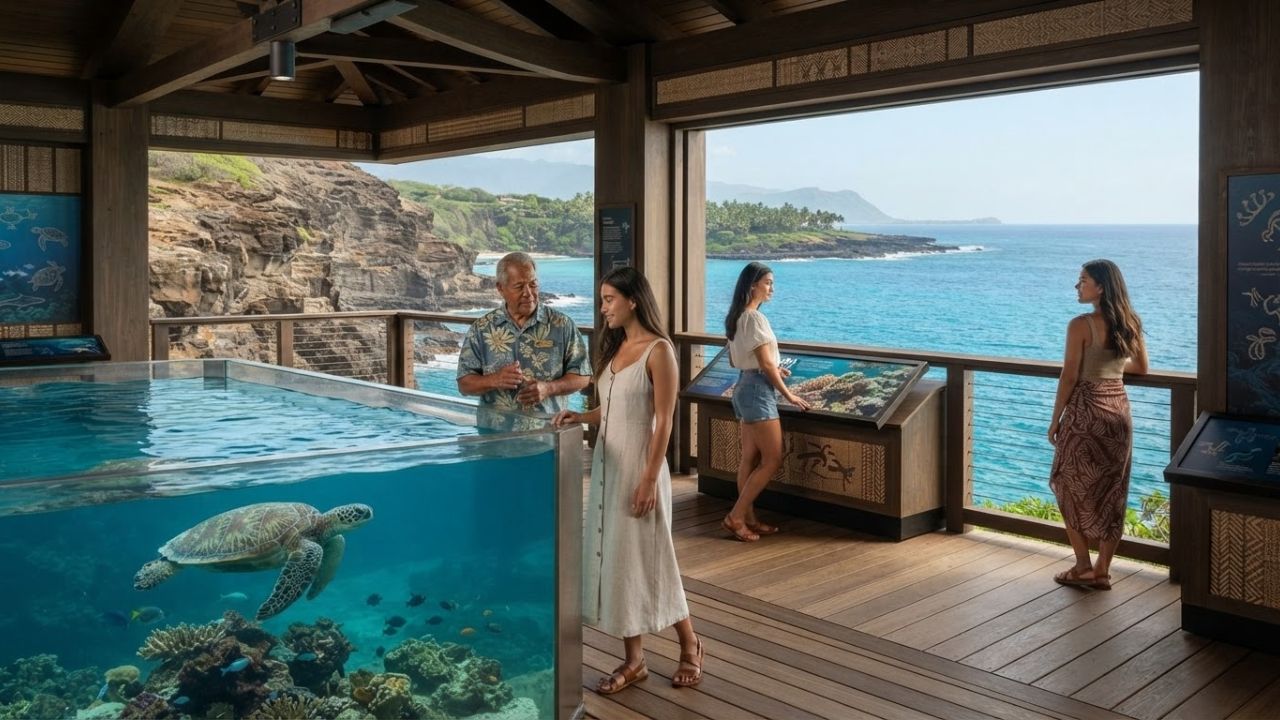
Image generated by AI
Shifting to a locally guided model following its acquisition by a Native Hawaiian nonprofit organization, Sea Life Park Hawaii is transitioning its visitor experience towards cultural education.
The Core Transit Update
Regional tourist corridors and coastal transit routes on Oahu’s eastern shoreline are integrating indigenous conservation models. Sea Life Park Hawaii, situated near Makapuʻu Point, has transitioned from traditional commercial operations to local nonprofit stewardship.
The acquisition introduces a management model centered around Hawaiian cultural perspectives, marine science, and ocean conservation. For travelers exploring Oahu, the shift transforms the park's offerings—which include dolphin, sea lion, penguin, and ray encounters—into a platform for cultural storytelling and environmental education, aligning with Hawaii’s broader move toward community-based resource management.
Marine Park Parameters & Program Formats
Planning a day trip along Oahu's scenic coastal highway requires checking local park schedules and understanding educational formats. The following tables outline the Sea Life Park parameters and summarize the program formats under the new stewardship model.
| Marine Park Parameters | Stated Geographic Location | Primary Strategic / Educational Role |
|---|---|---|
| Sea Life Park Hawaii | Makapuʻu Point, East Oahu coastline | Family-friendly marine education & ocean discovery |
| New Stewardship Model | Native Hawaiian nonprofit ownership | Incorporates regional cultural storytelling & conservation |
| Tourism Integration | Distributed east of Waikiki/Honolulu | Balances coastal growth with environmental protection |
Sea Life Park Hawaii local stewardship and transition parameters.
| Marine Program / Encounter | Stated Species Focus | Future Cultural Integration / Educational Objective |
|---|---|---|
| Marine Encounters | Dolphins, sea lions, penguins, rays | Blends marine science with Native Hawaiian traditions |
| Ocean Conservation | Coral reefs, native fish, ecosystems | Focuses on visitor responsibility & resource protection |
| Community Partnerships | Local educators & conservation groups | Expands community-based resource management |
Visitor experiences and educational programs under nonprofit stewardship.
Traveler Logistics Guide
From a ground-level perspective, the best way to navigate this is to include a stop at Sea Life Park as part of a wider self-drive coastal tour starting from Waikiki and proceeding along the Kalanianaʻole Highway, as this route connects you to scenic lookouts at Makapuʻu Point and nearby hiking trails. Checking opening hours is recommended.
To plan your visit:
- Allow Safe Transit Windows: The drive from Honolulu or Waikiki to Makapuʻu Point takes approximately 30 to 40 minutes. Allow a half-day connection window to comfortably explore the park and adjacent beaches.
- Observe Conservation Etiquette: Hawaii’s marine ecosystems are fragile. Avoid using non-reef-safe sunscreens when participating in in-water animal encounters to protect local water filtration systems.
- Book Encounters in Advance: Interactive programs with marine species have restricted daily capacities. Secure your booking online weeks before your arrival to ensure slot availability.
- Respect Cultural Sites: The surrounding Makapuʻu area contains ancient Hawaiian landmarks. Stay on marked paths and observe local signs when exploring the park's outdoor coastal trails.
Infrastructure Impact Assessment
The implementation of community-led stewardship programs and the preservation of coastal habitats protect Oahu’s eastern reefs from unchecked marine tourism degradation.
By directing traveler spending to local nonprofit initiatives (which fund coral reef restoration and marine wildlife care), the park's transition supports native educational programs, increases environmental awareness, and ensures that the tourism economy benefits both island residents and fragile Pacific ecosystems.
Related Travel Guides
Yellowstone Travel Safety: NPS Issues Alerts Over Geothermal & Wildlife Hazards
Shravani Mela 2026 Deoghar Travel Tips and Logistics Guide
10 Best Travel Tips for Visiting Sea Life Park Hawaii, Planning Oahu Coastal Road Trips, and Booking Makapuʻu Day Tours, According to Reddit
Disclaimer
This article is for informational and educational purposes only. It does not constitute legal, financial, or professional advice. While we strive to provide accurate and up-to-date information, travel policies, regulations, and conditions change rapidly. Always verify information with official sources before making travel decisions. Nomad Lawyer makes no representations about the accuracy, reliability, completeness, or suitability of the information provided. Readers should consult qualified professionals for advice specific to their circumstances. The views expressed in this article are those of the author and do not necessarily reflect the views of Nomad Lawyer.