
Saudi Tourism 2030 Funding Cuts Signal Major Vision Pivot
Saudi Arabia dramatically reduces tourism investment under Vision 2030 in April 2026, marking a strategic retreat from positioning tourism as a post-oil economic pillar for the Kingdom.

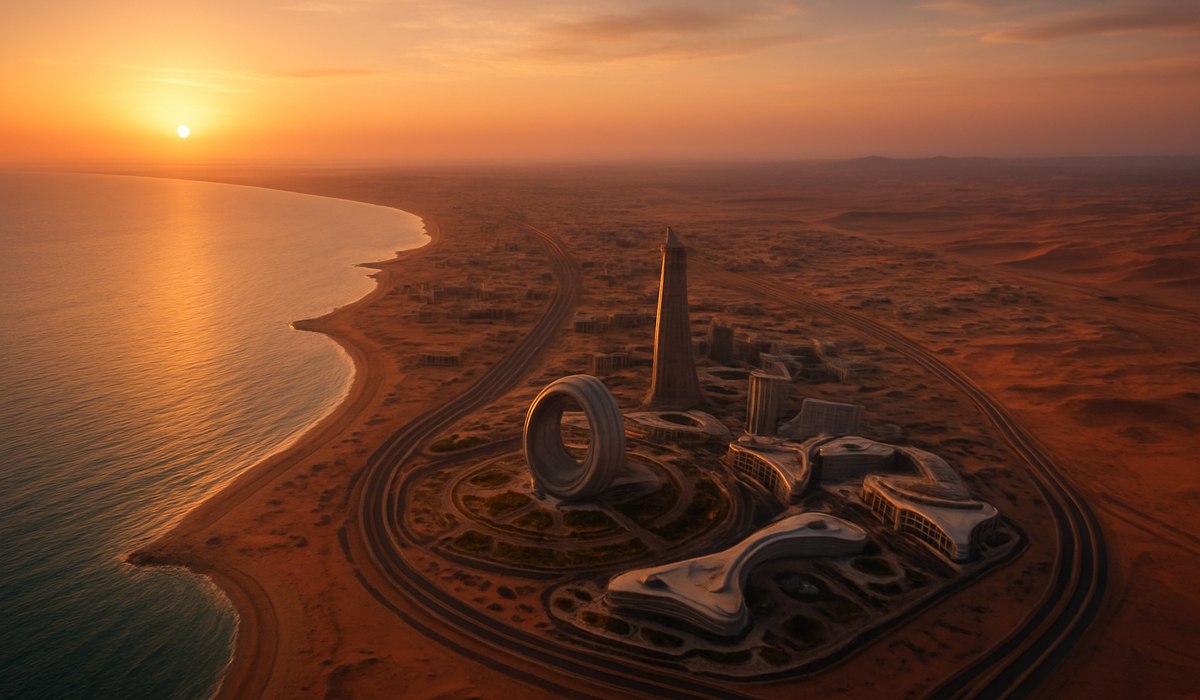
Image generated by AI
Saudi Arabia Scales Back Tourism Funding in Major Vision 2030 Restructuring
Saudi Arabia has announced significant reductions to tourism sector funding as part of a comprehensive Vision 2030 strategic review. The Kingdom, which previously positioned tourism as a cornerstone of its economic diversification away from oil dependency, is now reallocating resources. This marks a pivotal shift in Arabia's long-term development agenda, raising questions about the future viability of flagship destination projects and investor confidence across the Gulf region.
The announcement came through official government channels on April 16, 2026. Officials confirmed the budget cuts would affect multiple tourism initiatives that had been green-lit over the past several years. Stakeholders in the hospitality and travel sectors are assessing what this recalibration means for ongoing and proposed projects throughout the Kingdom.
Saudi Arabia Cuts Tourism Funding From Vision 2030
When Saudi Arabia launched its ambitious Vision 2030 framework, tourism emerged as a strategic pillar for generating alternative revenue streams. Government officials projected the sector could contribute substantially to GDP growth and create hundreds of thousands of jobs. The Kingdom invested heavily in rebranding its international image, easing visa restrictions, and promoting luxury travel experiences.
However, budget priorities have shifted. The latest funding reduction signals that Arabia's leadership is recalibrating its economic strategy. Rather than viewing tourism as equally critical to other sectors, the Kingdom appears to be focusing resources elsewhere. This pivot reflects broader economic pressures and reassessment of return-on-investment timelines across Vision 2030 initiatives.
Industry analysts note the cuts may stem from slower-than-anticipated visitor growth and extended timelines for major infrastructure projects. Tourism development in emerging markets requires patience, but competing budget demands are clearly reshaping the Kingdom's priorities. The implications extend beyond Saudi borders, influencing regional tourism dynamics and investor sentiment.
Impact on NEOM and Red Sea Development Projects
Two flagship initiatives face uncertainty following the funding announcement. NEOM, the futuristic megacity project near the Red Sea, and the dedicated Red Sea tourism zone represent billions in planned investment. While these projects maintain official support, reduced budget allocations could impact construction timelines and amenity completion schedules.
NEOM's tourism component was envisioned as a transformative destination combining luxury hospitality with technological innovation. The Red Sea Project, launched separately, focused on sustainable tourism development featuring ultra-luxury resorts and eco-conscious infrastructure. Both required sustained capital investment to meet original timelines.
Project developers have not issued formal statements about specific delays resulting from the funding cuts. However, industry observers expect extended project maturation periods. Investors and hospitality operators should prepare for revised opening dates and phased development approaches. The Kingdom may prioritize completing essential infrastructure while deferring secondary amenities.
International hotel chains and resort operators had planned significant expansion within both zones. Reduced government funding may prompt these companies to reassess their own investment commitments. Partnership structures may need renegotiation to reflect new financial realities. For travelers, this means some anticipated luxury destinations may debut later than originally scheduled.
Implications for Global Tourism and Regional Competition
The funding reduction affects not only Saudi Arabia but the entire Gulf tourism ecosystem. The UAE, Qatar, and Bahrain have aggressively pursued tourism market share. Saudi Arabia's strategic retreat could open opportunities for regional competitors to attract visitors and investor capital previously targeted at Kingdom projects.
Global hotel chains and hospitality investors must recalibrate their Arabian Peninsula strategies. Companies banking on rapid Saudi market expansion may reallocate resources to other high-growth destinations. This could slow overall tourism infrastructure development across the region during a critical growth period.
The announcement also signals to travelers and travel planners that ambitious Saudi Arabia tourism 2030 timelines should be treated with appropriate skepticism. Visitors researching upcoming experiences should verify project status before booking. Tour operators marketing Kingdom experiences require updated information about facility availability and accessibility.
For tourism boards worldwide, Saudi Arabia's funding pullback demonstrates the risks of over-relying on government investment for destination development. Sustainable tourism growth requires diversified funding sources, including private capital and public-private partnerships. The Kingdom's experience offers valuable lessons for other nations pursuing aggressive tourism expansion.
What This Means for Investors and Tourism Operators
Tourism sector investors face increased risk when betting on Saudi Arabia projects. Due diligence now requires deeper analysis of government budget stability and commitment timelines. Companies considering investments should request updated project schedules and funding confirmations from relevant authorities before proceeding.
Hospitality operators with existing commitments in the Kingdom should review contract terms carefully. Potential project delays may trigger force majeure considerations or renegotiation opportunities. Legal counsel specializing in Middle Eastern contracts should assess exposure and protective measures.
Tour operators marketing Saudi Arabia should audit their destination descriptions and promised experiences. Some advertised facilities may not materialize according to original timelines. Transparent communication with potential customers about project status protects reputation and reduces liability.
The funding cuts may inadvertently benefit Saudi Arabia's established tourism sectors outside major development zones. Riyadh's cultural attractions, Jeddah's seaside character, and religious pilgrimage tourism may see increased relative attention. Operators focusing on existing destinations rather than future megaprojects may find sustainable growth paths.
Tourism Funding Comparison Table
| Aspect | Pre-2026 Vision 2030 | Post-April 2026 | Impact |
|---|---|---|---|
| Tourism Sector Priority | Primary pillar | Secondary focus | Reduced budgetary allocation |
| NEOM Project Status | Accelerated timeline | Extended phases | Amenity completion delays likely |
| Red Sea Zone Development | Full-scale investment | Phased approach | Opening dates uncertain |
| International Hotel Expansion | Aggressive growth plans | Cautious commitments | Slower infrastructure buildout |
| Visa and Access Policies | Liberalization trajectory | Status maintained | No additional improvements expected |
| Regional Competition | Saudi market dominance | UAE/Qatar advantage | Visitors may seek alternatives |
| Investor Confidence | High growth expectations | Moderate skepticism | Due diligence requirements increase |
What This Means for Travelers
Saudi Arabia's reduced tourism funding creates both challenges and opportunities for international visitors planning trips to the Kingdom.
1. Verify Destination Status Before Booking Check current operational status for any luxury resorts, attractions, or facilities you plan to visit. Project opening dates may have changed since initial announcements. Contact destination management directly through official channels rather than relying on marketing materials.
2. Expect Extended Timelines for Major Attractions If your travel plans depend on newer megaprojects like NEOM or Red Sea resorts, build flexibility into booking dates. Major facilities may debut later than originally promoted. Consider alternative Saudi Arabia destinations or neighboring Gulf countries while primary projects develop.
3. Seek Established Tourism Experiences Riyadh, Jeddah, and established cultural sites offer proven tourism infrastructure unaffected by development funding cuts. These destinations provide reliable travel experiences without dependence on ongoing construction timelines. Cultural tourism and religious pilgrimage routes maintain consistent accessibility.
4. Monitor Project Announcements Subscribe to official Saudi Arabia tourism authority communications for accurate updates. Avoid booking decisions based on three-year-old marketing campaigns. Official government tourism websites now provide the most reliable information regarding project status and facility availability.
5. Reconsider Tour Operator Partnerships Select tour operators demonstrating current knowledge of Saudi Arabia conditions. Providers relying on outdated destination descriptions may promise experiences not yet available. Reputable operators provide honest assessments of construction timelines and realistic itineraries.
Frequently Asked Questions
Q: Will Saudi Arabia stop accepting tourists due to funding cuts? No. The Kingdom maintains commitment to international tourism even with reduced budgets. Visa policies and existing tourism infrastructure remain operational. Cuts affect new megaproject development timelines rather than current visitor access or hospitality services.
Q: How long will NEOM and Red Sea projects be delayed? Official timelines have not been formally revised. However, industry observers expect extended completion periods. Specific delay lengths depend on revised budget allocations announced in coming
Disclaimer
This article is for informational and educational purposes only. It does not constitute legal, financial, or professional advice. While we strive to provide accurate and up-to-date information, travel policies, regulations, and conditions change rapidly. Always verify information with official sources before making travel decisions. Nomad Lawyer makes no representations about the accuracy, reliability, completeness, or suitability of the information provided. Readers should consult qualified professionals for advice specific to their circumstances. The views expressed in this article are those of the author and do not necessarily reflect the views of Nomad Lawyer.
Raushan Kumar
Founder & Lead Developer
Full-stack developer with 11+ years of experience and a passionate traveller. Raushan built Nomad Lawyer from the ground up with a vision to create the best travel and law experience on the web.
Learn more about our team →