
Saudi Cities Race Ahead: 83,000-94,500 New Hotel Rooms Transform Kingdom
Saudi Arabia is aggressively expanding hotel capacity across Riyadh, Jeddah, and Mecca with 83,000-94,500 new rooms in development. The push aims to realize Vision 2030 tourism targets and capture surging international and domestic travel demand in 2026 and beyond.

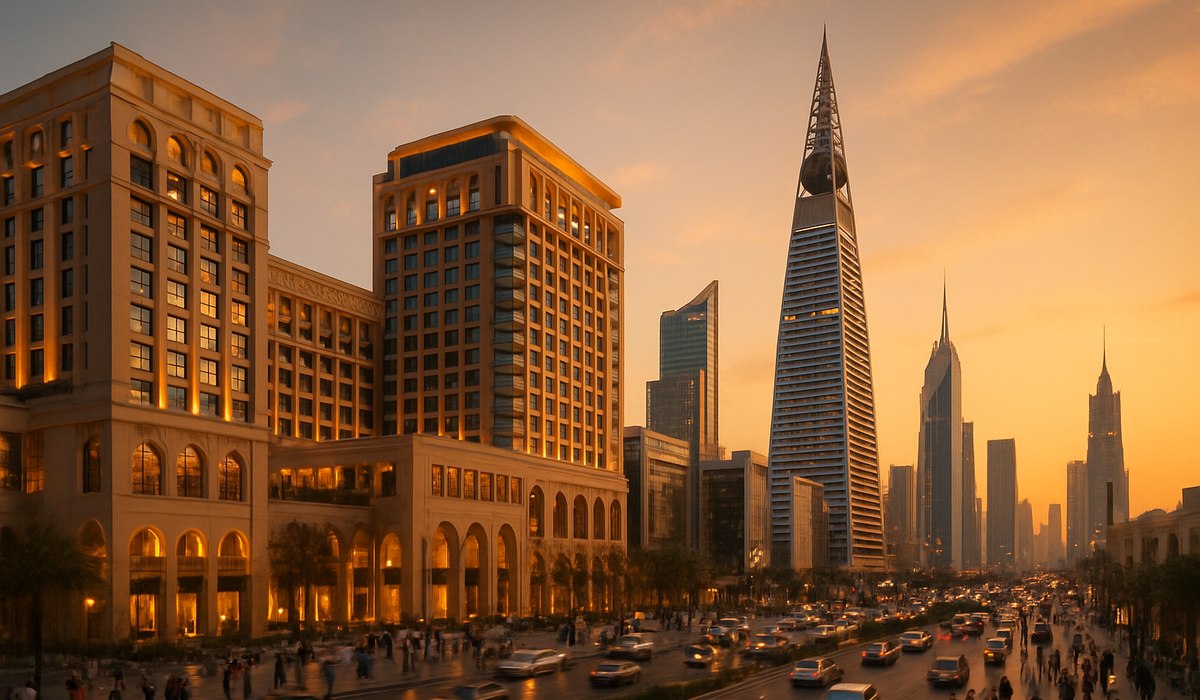
Image generated by AI
Saudi Arabia's Massive Hotel Buildout Powers Tourism Ambitions
Saudi Arabia is racing to construct nearly 90,000 new hotel rooms across its major urban centers, positioning the kingdom to transform Vision 2030's tourism goals into actionable infrastructure. Riyadh, Jeddah, and Mecca are spearheading this aggressive expansion, with developers actively working on pipelines of 83,000 to 94,500 additional rooms. The buildout reflects mounting demand from international visitors and a rapidly growing domestic travel market, signaling that Saudi Arabia's tourism sector is transitioning from planning stages to full-scale execution.
Hotel Capacity Surge Accelerates Across Kingdom
The hospitality sector in Saudi Arabia is undergoing historic expansion. By the close of 2025, the kingdom operated approximately 6,000 hospitality units, comprising nearly 2,850 hotels and over 3,000 serviced apartments. Industry analysts report that the current development pipeline represents an eight-to-tenfold increase in available capacity, with the majority of new inventory concentrated in Riyadh and Jeddah, alongside key religious destinations Mecca and Madinah.
This expansion directly responds to tourism demand that continues climbing. According to data from the United Nations World Tourism Organization, international inbound tourism spending in Saudi Arabia reached over 46 billion dollars in 2024, representing approximately 13 percent year-on-year growth. Domestically, first-quarter 2026 figures show local travel spending increased 8 percent annually to roughly 34.7 billion riyals, driven by robust occupancy levels in major hospitality markets. These metrics demonstrate that new room inventory is being absorbed quickly as travelers increasingly choose Saudi destinations for business and leisure experiences.
Learn more about tourism trends via the UNWTO official tourism statistics portal.
Tourism Spending Hits Record Highs in 2024-2026
International visitor expenditure continues accelerating across the kingdom. The 46-billion-dollar international tourism spending figure in 2024 signals strong momentum entering 2025 and 2026, when newly completed hotel properties are expected to capture even greater market share. Domestic travel, traditionally a strong revenue engine, demonstrates parallel vitality—the 34.7-billion-riyal first-quarter 2026 domestic spending reveals that Saudis themselves are driving significant occupancy and revenue across hospitality venues.
Government planning documents attribute this twin growth trajectory to Vision 2030 initiatives that position tourism as a core economic diversification pillar. Tourism authorities have targeted welcoming over 100 million annual visitors while increasing the sector's contribution to gross domestic product. Rising occupancy rates and spending patterns suggest these targets remain within reach, particularly as major cultural districts, entertainment complexes, and event venues come online throughout 2026 and 2027.
Vision 2030: From Goals to Ground-Level Infrastructure
Saudi Arabia's Vision 2030 framework has evolved from strategic document to tangible construction reality. Integrated tourism and lifestyle districts now define development strategies in Riyadh's western and northern corridors, as well as along Jeddah's waterfront. These projects blend residential neighborhoods with hotels, entertainment venues, and retail experiences, creating comprehensive destinations rather than isolated hospitality properties.
The saudi cities race reflects government efforts to host expanding international events—investment conferences, sports tournaments, and cultural festivals all require supporting infrastructure beyond hotel rooms. Exhibition centers, arenas, and enhanced transport networks are integral to the construction pipeline. This diversity of development ensures that new capacity serves multiple traveler segments, from conference attendees to cultural tourists and sports fans, maximizing revenue potential across the broader economy.
Major Urban Centers Lead Development Pipeline
Riyadh dominates the hotel expansion narrative. The Diriyah project on the capital's northwestern edge represents a 63-billion-dollar heritage and lifestyle destination featuring dozens of hotels, museums, and an arena surrounding the restored At Turaif UNESCO World Heritage Site. Large components are under active construction, with visitor-facing elements scheduled to open before 2030 to capture both leisure and cultural tourism demand.
The New Murabba development within central Riyadh covers approximately 19 square kilometers and is being positioned as a new downtown district. Masterplan documents indicate the area will include major museums, immersive entertainment venues, and over 80 cultural and leisure attractions, anchored by the distinctive Mukaab structure and supported by hotel and serviced apartment inventory. This positioning aligns with Riyadh's preparations to host Expo 2030, reinforcing the capital's transformation into a true international tourism gateway.
Jeddah's waterfront transformation complements Riyadh's urban development. The coastal city is evolving as a Red Sea gateway, with hospitality investments concentrated along revitalized beachfront districts. Meanwhile, Mecca and Madinah continue expanding religious tourism infrastructure, recognizing the massive volume of pilgrims visiting alongside leisure travelers exploring these spiritually significant destinations.
Learn more about upcoming global events at the Saudi Arabia Tourism Authority.
Key Development Metrics and Timeline
| Metric | 2025 Baseline | 2026 Target | Notes |
|---|---|---|---|
| Existing Hotel Units | ~2,850 | Stable | Baseline hospitality inventory |
| Existing Serviced Apartments | ~3,000 | Stable | Complementary accommodation stock |
| Pipeline New Rooms | 83,000–94,500 | Under Construction | Concentrated in Riyadh, Jeddah, Mecca |
| International Tourism Spending | $46 billion (2024) | $50+ billion (est.) | Year-on-year growth accelerating |
| Domestic Travel Spending Q1 | 34.7 billion riyals | Trending upward | 8% YoY growth documented |
| Annual Visitor Target (Vision 2030) | TBD | 100+ million | Strategic goal for kingdom |
| Occupancy Rates | High | Very High | Demand exceeding current supply |
What This Means for Travelers
The Saudi cities race for hotel capacity expansion offers immediate advantages and strategic considerations for both international and domestic visitors planning trips to the kingdom during 2026 and beyond.
-
Improved Availability and Competition: The influx of new hotel rooms, particularly in Riyadh and Jeddah, will increase accommodation choices and likely create competitive pricing as properties vie for guests. Travelers should expect more boutique properties, international chains, and diverse room categories across price points.
-
Enhanced Infrastructure Access: New developments in Riyadh, including metro expansion and improved transport networks, will streamline city navigation. Better connectivity between hotel districts, exhibition centers, and attractions means shorter transfers and more efficient sightseeing.
-
Cultural and Entertainment Expansion: Newly opened museums, entertainment venues, and lifestyle districts—particularly New Murabba and Diriyah in Riyadh—will offer cultural experiences previously unavailable. Plan multi-day stays to explore these emerging destinations.
-
Event-Driven Opportunities: Expo 2030 and major sports events will attract international travelers, making early booking essential during high-demand periods. Off-peak travel may offer greater availability and lower rates.
-
Domestic Tourism Growth: Increased local travel spending reflects emerging Saudi leisure culture. Book accommodations strategically to avoid peak domestic travel windows, particularly during school holidays and cultural celebrations.
Frequently Asked Questions
How many new hotel rooms are being added to Saudi Arabia? Developers are constructing between 83,000 and 94,500 additional hotel rooms across the kingdom, primarily concentrated in Riyadh, Jeddah, Mecca, and Madinah. This represents
Disclaimer
This article is for informational and educational purposes only. It does not constitute legal, financial, or professional advice. While we strive to provide accurate and up-to-date information, travel policies, regulations, and conditions change rapidly. Always verify information with official sources before making travel decisions. Nomad Lawyer makes no representations about the accuracy, reliability, completeness, or suitability of the information provided. Readers should consult qualified professionals for advice specific to their circumstances. The views expressed in this article are those of the author and do not necessarily reflect the views of Nomad Lawyer.
Raushan Kumar
Founder & Lead Developer
Full-stack developer with 11+ years of experience and a passionate traveller. Raushan built Nomad Lawyer from the ground up with a vision to create the best travel and law experience on the web.
Learn more about our team →