
AMSA Hospitality Blends Traditional Saudi Heritage and Modern Luxury at Palm Qassim Hotel
At WTM Riyadh 2026, AMSA Hospitality outlined its strategy to blend Saudi culture, workforce development, and sustainability across its hotel portfolio.

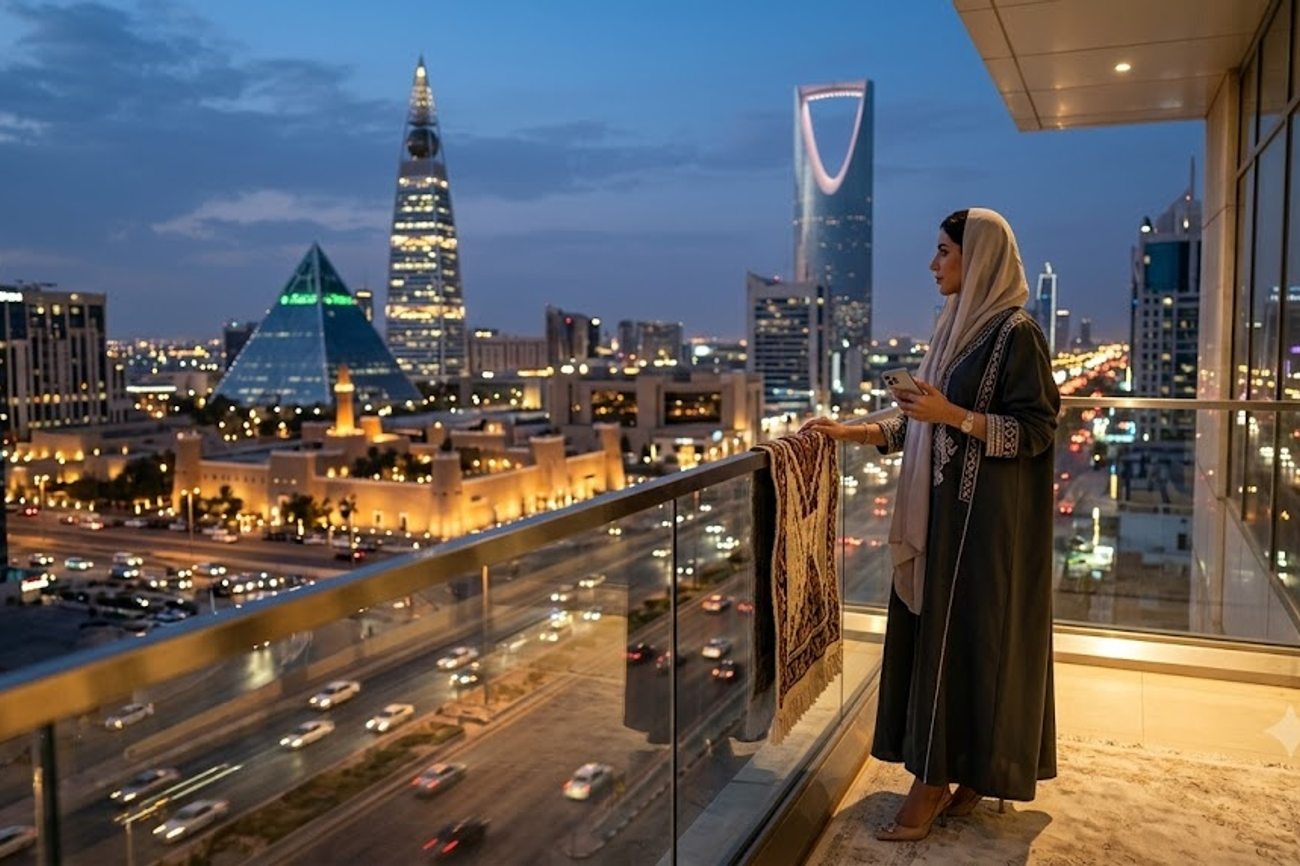
Image generated by AI
AMSA Hospitality is positioning Saudi Arabian cultural heritage, workforce localization, and environmental responsibility at the core of its hotel expansion strategy under the Kingdom's Vision 2030 tourism agenda. Speaking exclusively at WTM Riyadh 2026, Bassem Yakout, General Manager of Palm Qassim Hotel, detailed how the company is combining modern hotel operations with regional Arabian traditions while building an internal talent pipeline for Saudi nationals and implementing sustainable operational practices across its properties.
Cultural Integration and Heritage Hospitality at Palm Qassim Hotel
A central focus of AMSA Hospitality's strategy is integrating traditional Arabian hospitality into contemporary, technology-driven hotel operations. Rather than delivering standardized global hotel concepts, the group embeds regional heritage directly into property design and service delivery.
The Palm Qassim Hotel in Qassim serves as the pilot property for this localized approach. Operating under Accor's Handwritten Collection—a brand built around distinctive, character-driven hotels—the property integrates the agricultural identity of the Qassim region. Recognized globally for date palm cultivation, Qassim’s heritage is woven into the hotel's food and beverage outlets, naming concepts, and guest amenities.
Through buyer meetings at WTM Riyadh 2026, AMSA Hospitality is strengthening travel trade partnerships with international agencies and booking distribution channels. This B2B outreach aims to position regional destinations like Qassim alongside established tourist hubs such as Riyadh, Jeddah, AlUla, and the Red Sea developments.
Developing Saudi Hospitality Talent via Specialized Academies
Workforce development forms a key pillar of AMSA Hospitality’s long-term plan. To support the Kingdom's localization targets, the company operates a dedicated hospitality academy designed to train Saudi nationals for senior leadership and operational roles.
The development program provides structured pathways across critical hotel functions:
- Executive Management: Preparing local talent for General Manager and resident manager roles.
- Commercial Operations: Specialized instruction in sales, distribution, and revenue management.
- Culinary & Guest Services: Professional training in regional gastronomy and front-of-house operations.
Rather than relying on short-term recruitment initiatives, AMSA Hospitality views workforce development as an ongoing investment to build an internal executive pipeline capable of managing future property expansions.
Operational Sustainability and Green Hotel Initiatives
Environmental responsibility represents a third priority outlined by Yakout at WTM Riyadh 2026. As Saudi Arabia expands its tourism infrastructure, hotel operators are tasked with minimizing operational environmental footprints.
AMSA Hospitality is implementing targeted sustainability measures:
- Eco-Friendly Guest Amenities: Substituting single-use plastics with biodegradable and recycled alternatives.
- Resource Management: Energy-efficient lighting systems and water conservation technology across room inventory.
- Sustainable Sourcing: Partnering with regional agricultural suppliers in Qassim to reduce food supply chain miles.
Data from the Saudi Tourism Authority confirms that international and domestic travelers increasingly prioritize eco-certified accommodations, prompting groups like AMSA Hospitality to align with global environmental benchmarks monitored by organizations like the World Travel & Tourism Council (WTTC).
AMSA Hospitality Operational & Strategic Breakdown
The table below summarizes the key pillars of AMSA Hospitality's operational strategy presented at WTM Riyadh 2026:
| Operational Focus | Strategy & Implementation | Targeted Outcome |
|---|---|---|
| Brand Framework | Accor's Handwritten Collection (Palm Qassim Hotel) | Distinctive, destination-led luxury lodging |
| Cultural Heritage | Integration of Qassim date cultivation heritage in dining & decor | Authentic regional guest experiences |
| Workforce Localization | Dedicated internal academy for Saudi nationals | Executive talent pipeline for hospitality management |
| Environmental Stewardship | Sustainable guest amenities & localized food sourcing | Reduced carbon footprint & waste reduction |
| Trade Distribution | Buyer meetings at WTM Riyadh 2026 with international agencies | Expanded global booking channels for regional hotels |
Traveler Logistics Guide: Visiting Qassim and Staying at Palm Qassim Hotel
For travelers planning visits to Saudi Arabia's central agricultural region, the following transport and booking guidelines provide essential travel logistics:
- Airport Transit: Qassim is served by Prince Naif bin Abdulaziz International Airport (ELQ) in Buraidah, located approximately 30 minutes from Palm Qassim Hotel. Daily domestic flights connect ELQ with Riyadh (RUH), Jeddah (JED), and Dammam (DMM), alongside international connections to Dubai (DXB) and Cairo (CAI).
- Rail Connections: Saudi Arabia Railways (SAR) operates passenger trains along the North-South Line, connecting Riyadh to Qassim Railway Station in approximately 2 hours and 35 minutes.
- Best Time to Visit: The optimal travel window is between October and March, coinciding with comfortable desert temperatures and regional cultural festivities, including the famous annual Buraidah Date Festival.
- Visa & Entry Requirements: Foreign visitors from eligible countries can obtain a Saudi Tourist eVisa online prior to departure via the official portal, covering leisure travel, cultural sightseeing, and Umrah outside the Hajj season.
FAQ: AMSA Hospitality & Palm Qassim Hotel
What brand does Palm Qassim Hotel operate under? Palm Qassim Hotel operates under Accor's Handwritten Collection, a global portfolio of custom-designed, individual hotels.
How does Palm Qassim Hotel incorporate local Saudi culture? The property reflects Qassim's agricultural heritage, specifically date palm cultivation, through curated guest amenities, themed food and beverage outlets, and localized interior design.
What is the purpose of the AMSA Hospitality Academy? The academy trains Saudi nationals in leadership, revenue management, culinary arts, and hotel management to create a localized workforce pipeline.
Related Travel Guides
Disclaimer
This article is for informational and educational purposes only. It does not constitute legal, financial, or professional advice. While we strive to provide accurate and up-to-date information, travel policies, regulations, and conditions change rapidly. Always verify information with official sources before making travel decisions. Nomad Lawyer makes no representations about the accuracy, reliability, completeness, or suitability of the information provided. Readers should consult qualified professionals for advice specific to their circumstances. The views expressed in this article are those of the author and do not necessarily reflect the views of Nomad Lawyer.
Naina Thakur
Contributor & Travel Specialist
Travel enthusiast and legal writer covering visa regulations, responsible tourism, and cultural journeys across global destinations.
Learn more about our team →