
AMSA Hospitality Integrates Saudi Heritage and Local Talent at Palm Qassim Hotel in 2026
AMSA Hospitality is redefining the Saudi luxury experience by blending Accor's Handwritten Collection standards with Qassim's regional heritage and a localized workforce strategy.

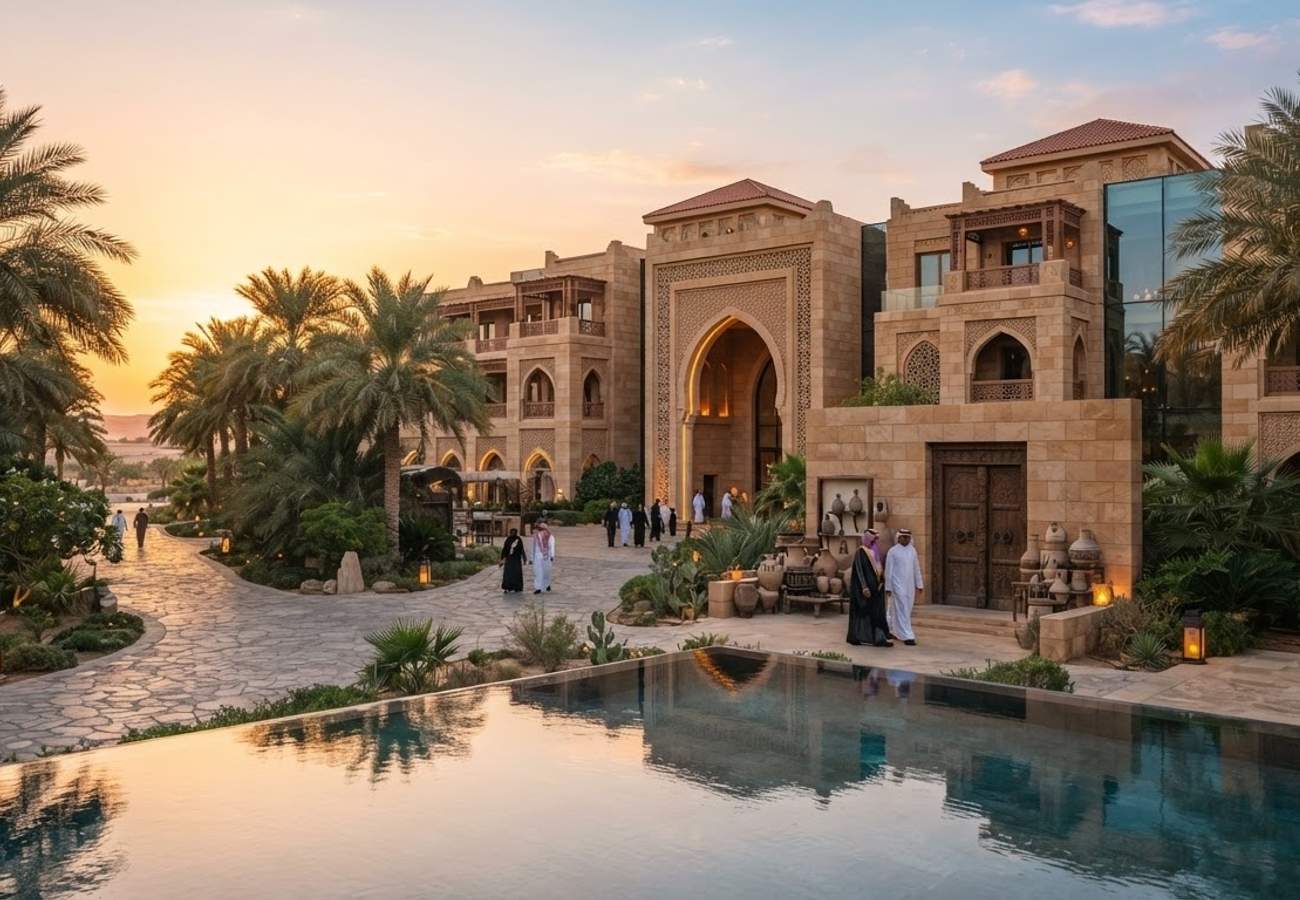
Image generated by AI
One central strategic pivot defines the current trajectory of AMSA Hospitality: the aggressive integration of Saudi cultural identity into high-tech, modern hotel operations. As the Kingdom accelerates its transition into a global tourism powerhouse, the company is moving away from the "cookie-cutter" international hotel model. Instead, it is positioning the Palm Qassim Hotel as a case study in how regional heritage—specifically the agricultural legacy of the Qassim province—can be monetized and preserved within a luxury framework.
The Strategic Shift Toward Regionalism
The current evolution of the Saudi hospitality sector is moving beyond the primary hubs of Riyadh and Jeddah. While mega-projects in AlUla and the Red Sea dominate international headlines, AMSA Hospitality is focusing on the "secondary" destination market. By leveraging the Saudi Tourism Authority, the group is attempting to capture a segment of travelers seeking authentic, regional experiences rather than standardized luxury.
At the center of this effort is the Palm Qassim Hotel. The property operates under the Handwritten Collection by Accor, a brand specifically designed for hotels with unique, individual characters. This partnership allows AMSA to maintain global operational standards while embedding the specific cultural markers of Qassim—most notably its world-renowned date cultivation—into the guest experience, naming conventions, and food and beverage outlets.
Operational Integration and Workforce Data
The transition to a localized model is not merely aesthetic; it is structural. AMSA Hospitality has implemented a dedicated internal academy to solve the chronic shortage of senior-level Saudi nationals in the private tourism sector. This is a direct response to the labor mandates of the broader national economic strategy.
The following table outlines the core pillars of the AMSA Hospitality operational model as discussed at WTM Riyadh 2026:
| Strategic Pillar | Implementation Method | Primary Objective |
|---|---|---|
| Cultural Integration | Date-themed branding & regional Qassim motifs | Differentiation from global chains |
| Human Capital | Dedicated internal hospitality academy | Pipeline for Saudi senior executives |
| Sustainability | Replacement of single-use amenities | Reduction of environmental footprint |
| Distribution | WTM Riyadh B2B buyer meetings | Diversification of booking channels |
The workforce development plan specifically targets high-impact roles including revenue management, culinary operations, sales, and general management. By treating localization as a long-term investment rather than a recruitment quota, AMSA is building a sustainable talent pipeline that reduces reliance on expatriate management.
Expert Analysis: The Economics of "Sense of Place"
For the modern luxury traveler, the value proposition has shifted from "standardized comfort" to "contextual experience." AMSA Hospitality is betting that the "rarest option"—the amalgamation of modern lifestyle and deep-rooted culture—will command a pricing premium.
For travelers booking routes into the Qassim region, the direct consequence is a shift in the hospitality product. We are seeing the end of the "airport hotel" era in regional Saudi cities. When a hotel integrates local agriculture (dates) and regional history into its core identity, it transforms from a place of lodging into a destination in itself.
The pricing pressure created by this shift means that properties like Palm Qassim can compete on value rather than just price. By aligning with the World Tourism Organization (UNWTO) guidelines on sustainable and cultural tourism, AMSA is insulating itself against the commoditization of the hotel room. Furthermore, the focus on sustainability—replacing traditional hotel amenities with eco-friendly alternatives—is a calculated move to attract the growing demographic of ESG-conscious (Environmental, Social, and Governance) corporate travelers and high-net-worth individuals.
The reliance on WTM Riyadh 2026 for B2B networking suggests that while the product is local, the target audience remains global. The goal is to create a "Saudi-centric" product that is marketed through international distribution channels, effectively bridging the gap between local authenticity and global accessibility.
Key Takeaways
- Hyper-Localization: AMSA is utilizing the Accor Handwritten Collection to embed Qassim's date-growing heritage into the luxury guest experience.
- Talent Pipeline: The establishment of a corporate academy is designed to move Saudi nationals into senior leadership roles in revenue and general management.
- Sustainability Mandate: Operational shifts include the removal of non-sustainable amenities to align with Vision 2030 environmental goals.
- Market Diversification: The strategy focuses on Qassim as a cultural alternative to the more saturated markets of Riyadh and Jeddah.
- B2B Growth: WTM Riyadh 2026 is being used as the primary engine to connect regional properties with international travel agencies.
FAQ: Saudi Hospitality 2026
What makes the Palm Qassim Hotel different from other luxury hotels in Saudi Arabia? Unlike standardized international hotels, Palm Qassim focuses on the specific cultural identity of the Qassim region, incorporating local date cultivation and regional heritage into its design and services through Accor's Handwritten Collection.
How is AMSA Hospitality supporting Saudi nationals? The company has launched a dedicated hospitality academy to train Saudi citizens for senior leadership roles in hotel management, sales, and culinary operations, moving beyond basic recruitment to long-term career development.
What sustainability measures are being implemented at AMSA properties? AMSA is currently auditing its operational materials and replacing traditional hotel amenities with environmentally friendly alternatives to reduce the overall ecological footprint of its properties.
Why is Qassim being promoted as a tourism destination? While cities like Riyadh are business hubs, Qassim offers a unique proposition based on agriculture, regional food, and heritage, providing a different experience for travelers seeking authentic Saudi culture.
The future of Saudi luxury is no longer about importing global standards, but about exporting local identity.
Related Travel Guides
Disclaimer
This article is for informational and educational purposes only. It does not constitute legal, financial, or professional advice. While we strive to provide accurate and up-to-date information, travel policies, regulations, and conditions change rapidly. Always verify information with official sources before making travel decisions. Nomad Lawyer makes no representations about the accuracy, reliability, completeness, or suitability of the information provided. Readers should consult qualified professionals for advice specific to their circumstances. The views expressed in this article are those of the author and do not necessarily reflect the views of Nomad Lawyer.
Naina Thakur
Contributor & Travel Specialist
Travel enthusiast and legal writer covering visa regulations, responsible tourism, and cultural journeys across global destinations.
Learn more about our team →