
Saudi PIF Tourism Strategy 2026-2030: What Travelers Need to Know
Saudi Arabia's Public Investment Fund unveils major tourism strategy for 2026-2030, positioning the Kingdom as a Middle East travel powerhouse with NEOM, Qiddiya, and expanded infrastructure investments.

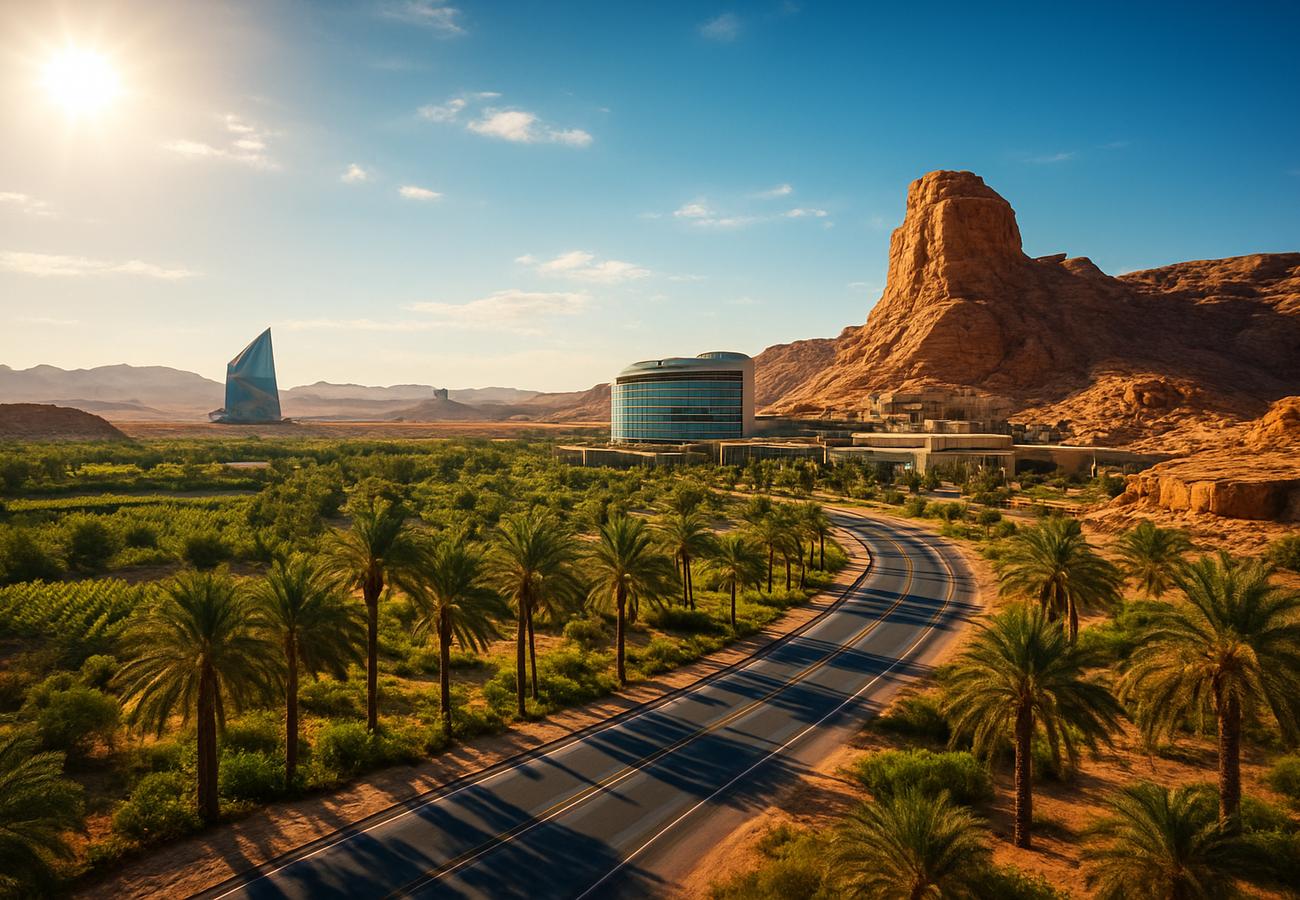
Image generated by AI
Saudi Arabia's tourism landscape is undergoing a significant transformation. The Public Investment Fund (PIF) has just approved a comprehensive investment strategy for 2026-2030 that places tourism, travel, entertainment, and infrastructure development at the core of the Kingdom's economic diversification efforts. This move reflects a fundamental shift in how the government approaches tourism development—and what international visitors can expect from the region.
With assets under management exceeding US$900 billion, the PIF represents one of the world's most influential sovereign wealth funds. The newly unveiled roadmap signals a critical transition: from rapid expansion toward sustainable, long-term value creation that prioritizes governance, investment efficiency, and measurable economic impact across all tourism sectors.
The Architecture of PIF's New Tourism Investment Framework
The 2026-2030 strategy organizes investments across three distinct portfolios, each serving a strategic purpose in the Kingdom's tourism economy.
The Vision Portfolio focuses on supporting six domestic ecosystems identified as priorities for growth. Tourism, travel, and entertainment now rank alongside urban development, advanced manufacturing, industrial logistics, clean energy infrastructure, and the flagship NEOM project. This elevation signals that the Kingdom views the visitor economy as equally critical to its diversification agenda as manufacturing or energy transition.
The Strategic Portfolio targets maximum returns from key assets and global opportunities, including tourism-related investments and international partnerships. The Financial Portfolio generates sustainable returns to fund major long-term tourism projects.
Reddit: "Saudi Arabia is becoming a serious competitor for Gulf tourism. The infrastructure investments are real, not just announcements." — r/travel
How PIF's Growth Reflects Tourism Ambitions
The scale of PIF's expansion tells an important story. Assets under management grew from approximately US$150 billion in 2015 to over US$900 billion today. Between 2021 and 2025, the fund deployed more than US$199 billion domestically, while contributing US$243 billion to non-oil GDP and spending US$157 billion with the local private sector.
These figures demonstrate that tourism investment is no longer peripheral to Saudi Arabia's economic strategy—it's central. The fund has achieved annualized shareholder returns exceeding 7 percent since 2017, proving that tourism-related investments can generate competitive financial returns alongside broader economic goals.
NEOM, Qiddiya, and the Mega-Destination Strategy
Two flagship projects remain the centerpiece of Saudi Arabia's tourism expansion: NEOM and Qiddiya.
NEOM, the futuristic Red Sea development, is designed as a comprehensive tourism ecosystem. It will feature luxury hospitality, cultural districts, adventure tourism infrastructure, and sustainable tourism facilities capable of attracting millions of annual visitors.
Qiddiya functions as the Kingdom's entertainment, sports, and cultural hub. Both projects transcend traditional real-estate development—they're designed to create entirely new visitor demand segments while competing directly with established Gulf tourism destinations.
For travelers, this means access to world-class theme parks, sporting events, cultural venues, and adventure experiences that didn't exist five years ago. The infrastructure supporting these destinations—airports, rail connectivity, and hospitality networks—is expanding accordingly.
The Evolution of Travel Retail and Visitor Economics
A frequently overlooked element of Saudi Arabia's tourism strategy is its development of complete travel ecosystems, not just visitor arrivals.
The recent establishment of Al Waha Duty Free Company, Saudi Arabia's first locally owned duty-free operator, exemplifies this approach. Modern tourism economies generate revenue across multiple channels: accommodation, retail, food and beverage, transportation, and attractions. By strengthening travel retail capabilities, Saudi Arabia captures greater visitor expenditure while enhancing overall experience quality.
This integrated approach aligns with how global destinations compete for high-value travelers, ensuring that every visitor interaction generates measurable economic contribution.
What's Changing for International Travelers
The new PIF strategy indicates several concrete changes travelers should anticipate through 2030.
Enhanced connectivity improvements will expand airport capacity, airline partnerships, and ground transportation networks across the Kingdom. Greater entertainment options through Qiddiya and similar projects will broaden appeal beyond religious pilgrimage and business travel.
More diverse destinations will emerge beyond traditional gateways like Riyadh and Jeddah. Regional developments linked to NEOM and other infrastructure projects will attract growing international visitor numbers. Expanded luxury tourism offerings—particularly along the Red Sea coastline—will cater to premium travel segments.
These trends align with global tourism preferences: experiential travel, sustainability, wellness tourism, and cultural immersion.
From Growth to Sustainable Value Creation
The strategic shift embedded in the new roadmap matters more than the investment volume. The PIF is signaling maturity in how it approaches tourism development: less focus on construction pace, greater emphasis on operational success, visitor spending patterns, and private-sector participation.
This reflects a broader understanding that tourism competitiveness depends on experience quality, infrastructure reliability, and integrated service ecosystems—not simply attraction quantity or hotel room counts.
Saudi Arabia competes with established Middle East tourism hubs including the UAE, Qatar, and Egypt. The new PIF strategy indicates the Kingdom intends to differentiate itself through scale, investment consistency, and visitor experience innovation over the remainder of this decade.
What This Means for Travel Investors and Legal Considerations
For investors and legal professionals tracking tourism trends in the Middle East region, the PIF strategy signals stable, long-term investment conditions. The shift toward governance and efficiency improvements typically indicates lower geopolitical risk and stronger institutional frameworks for foreign capital.
The explicit prioritization of private-sector partnerships suggests Saudi Arabia will continue removing barriers to foreign hospitality operators, entertainment companies, and tourism service providers. This creates documented opportunities for international travel businesses seeking Gulf market exposure.
The Kingdom's tourism transformation is far from a 2030 deadline—it's becoming a permanent competitive advantage.
Related Travel Guides
UAE Hospitality Boom: Dubai's New Luxury Hotel Standard Reshapes Gulf Tourism Economics
Qatar Airways Expansion Strategy: 35+ New Routes Planned for Middle East Connectivity
Travel Law Alert: New Saudi Arabia Visa Regulations for Digital Nomads and Long-Term Visitors
Disclaimer
This article is for informational and educational purposes only. It does not constitute legal, financial, or professional advice. While we strive to provide accurate and up-to-date information, travel policies, regulations, and conditions change rapidly. Always verify information with official sources before making travel decisions. Nomad Lawyer makes no representations about the accuracy, reliability, completeness, or suitability of the information provided. Readers should consult qualified professionals for advice specific to their circumstances. The views expressed in this article are those of the author and do not necessarily reflect the views of Nomad Lawyer.
Raushan Kumar
Founder & Lead Developer
Full-stack developer with 11+ years of experience and a passionate traveller. Raushan built Nomad Lawyer from the ground up with a vision to create the best travel and law experience on the web.
Learn more about our team →