
Saudi Arabia Launches Digital Property Portal as Global Trend Toward Foreign Real Estate Ownership Accelerates
The Kingdom of Saudi Arabia is transforming its real estate landscape by launching a dedicated digital portal for intern

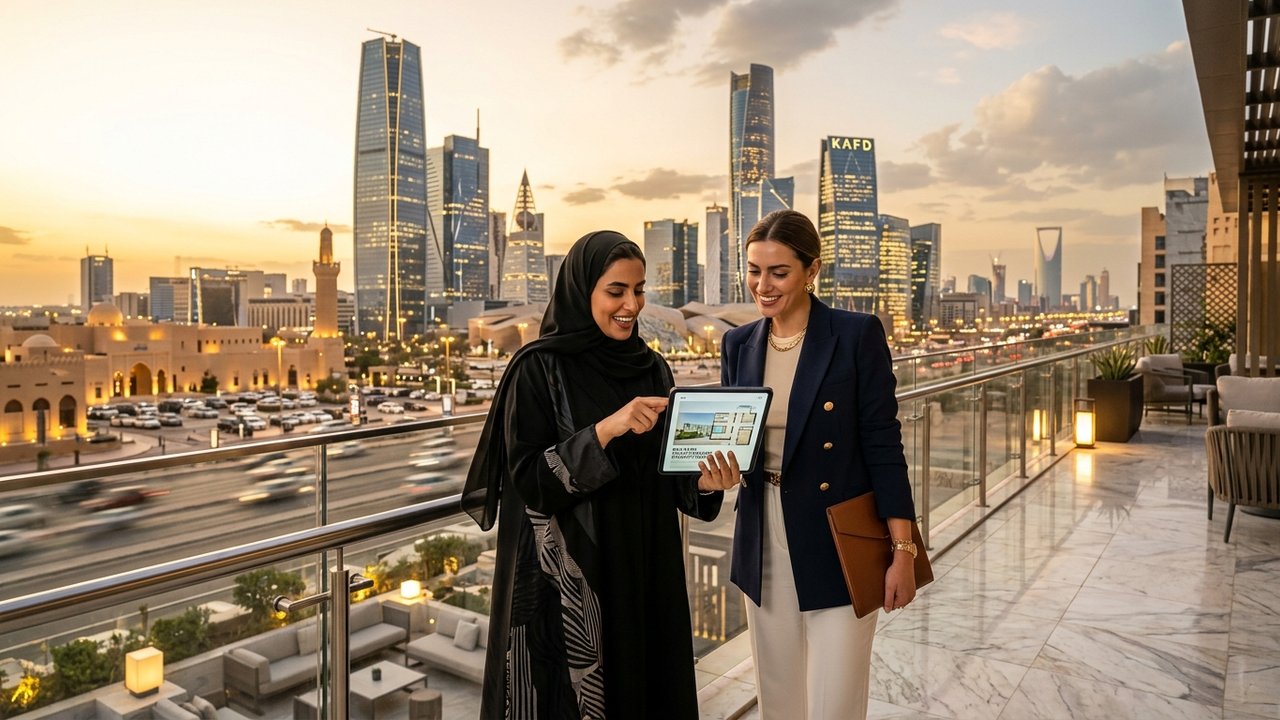
Image generated by AI
Saudi Arabia Digitizes Foreign Real Estate Access
Saudi Arabia has officially entered the global arena of open property markets with the launch of the Saudi Properties portal. Managed by the Real Estate General Authority, this digital initiative is designed to strip away bureaucratic hurdles, allowing expatriates, foreign companies, and overseas individuals to verify eligibility and manage ownership applications entirely online.
This move signals a strategic pivot for the Kingdom, transitioning from traditional paperwork to a transparent, digital-first governance model. By streamlining the acquisition process, Saudi Arabia aims to attract international capital, stimulate urban development, and bolster its tourism sector.
A Balanced Approach to Sovereignty and Investment
While the Kingdom is opening its doors to global investors, it has implemented a nuanced framework to protect national interests. A key feature of the new law is the retention of strict protections for the holy cities of Makkah and Madinah, where foreign ownership remains restricted.
This "balanced model" mirrors a growing international trend where nations seek the economic benefits of foreign direct investment (FDI) while safeguarding cultural heritage and domestic housing stability.
The Global Shift: Real Estate as an Economic Engine
Saudi Arabia is not alone in this transition. Governments worldwide are increasingly viewing real estate not just as a domestic housing market, but as a strategic tool for economic diversification. The rise of remote work, global mobility, and "golden visa" style incentives has turned international property ownership into a mainstream investment activity.
Regional Benchmarks: The Gulf Experience
- United Arab Emirates: Long considered the gold standard, Dubai utilized the Dubai REST app and designated freehold zones to become a global hub for residential and commercial investment.
- Oman: Employs a targeted strategy via Integrated Tourism Complexes (ITC), focusing foreign investment on specific tourism-driven projects to protect local housing.
- Qatar: Has leveraged high-profile developments like Lusail City and The Pearl, linking property ownership with residency incentives.
- Bahrain: Focuses on accessibility through the Survey and Land Registration Bureau, integrating real estate growth with its strong financial services sector.
International Models: Asia and Europe
Beyond the Middle East, different philosophies of ownership prevail:
- Strict Control: Singapore allows condominium ownership but heavily restricts landed property to maintain domestic affordability. Similarly, Thailand permits condo ownership but prohibits foreigners from owning land.
- Open Access: The UK, Spain, and Portugal maintain highly accessible markets, often using real estate to attract retirees, entrepreneurs, and remote workers.
- Regulated Growth: Australia utilizes the Foreign Investment Review Board (FIRB) to prioritize new developments over existing homes, ensuring that foreign capital increases overall housing supply.
Global Foreign Property Ownership Comparison
| Country | Foreign Ownership Allowed? | Digital System/Portal | Key Restrictions | Similarity to Saudi Model |
|---|---|---|---|---|
| Saudi Arabia | Yes (2026 law) | Saudi Properties Portal | Makkah and Madinah | New Model |
| UAE | Yes | Dubai REST app | Some freehold zones | Very High |
| Oman | Yes | ITC digital approvals | Designated projects only | Very High |
| Qatar | Yes | Real Estate Registration System | Limited designated zones | High |
| Bahrain | Yes | Survey and Land Registration Bureau | Specific investment areas | High |
| Singapore | Partially | SLA e-services | Land heavily restricted | High |
| Thailand | Partial | Land Department digital services | Condos only; no land | Medium |
| Indonesia | Partial | Online Single Submission (OSS) | Mostly leasehold rights | Medium |
| Vietnam | Partial | Provincial digital systems | No land ownership | Medium |
| Malaysia | Yes | e-Tanah platforms | Min. investment thresholds | High |
| Turkey | Yes | Land Registry & Cadastre System | Military zones restricted | High |
| Portugal | Yes | Digital Land Registry | Few restrictions | High |
| Greece | Yes | Hellenic Cadastre | Border area permits req. | High |
| Spain | Yes | Digital Property Registry | Minimal restrictions | High |
| United Kingdom | Yes | HM Land Registry | Rare national security reviews | High |
| Australia | Yes | FIRB approval portal | Existing homes restricted | High |
| New Zealand | Partial | Overseas Investment Office | Existing homes prohibited | High |
| Canada | Restricted | Provincial online registries | Temp. foreign buyer ban | Medium |
| Japan | Yes | Registration systems | New reporting rules | Medium |
| United States | Yes | State-based systems | Some state restrictions | Medium |
Key Takeaways
- Digital Transformation: Saudi Arabia's "Saudi Properties" portal replaces manual paperwork with a streamlined digital application process.
- Strategic Zoning: The Kingdom is mirroring the UAE and Oman by opening most of the market while keeping sensitive areas (Makkah and Madinah) restricted.
- Economic Diversification: Real estate is being used globally to attract talent, increase tourism, and stimulate urban growth.
- Global Divergence: While most nations are digitizing and opening markets, some (like Canada and New Zealand) have introduced restrictions to combat housing affordability crises.
FAQ
How can foreigners apply for property in Saudi Arabia? Eligible investors can use the official Saudi Properties portal to verify their eligibility, submit applications, and track their status digitally.
Can foreigners buy property anywhere in Saudi Arabia? No. While much of the market is open, there are specific restrictions regarding ownership in the holy cities of Makkah and Madinah.
Why are countries moving toward digital property portals? Digital portals reduce bureaucracy, increase transparency, and allow international investors to complete high-value transactions remotely without needing to be physically present for every step.
Related Travel Guides
Disclaimer
This article is for informational and educational purposes only. It does not constitute legal, financial, or professional advice. While we strive to provide accurate and up-to-date information, travel policies, regulations, and conditions change rapidly. Always verify information with official sources before making travel decisions. Nomad Lawyer makes no representations about the accuracy, reliability, completeness, or suitability of the information provided. Readers should consult qualified professionals for advice specific to their circumstances. The views expressed in this article are those of the author and do not necessarily reflect the views of Nomad Lawyer.
Kunal K Choudhary
Co-Founder & Contributor
A passionate traveller and tech enthusiast. Kunal contributes to the vision and growth of Nomad Lawyer, bringing fresh perspectives and driving the community forward.
Learn more about our team →