
National Center for Wildlife Opens Bids for Caravan Sites and Wilderness Camps in Sensitive Reserves: Saudi Arabia Eco-Tourism Development 2026: New Travel Alert
Saudi Arabia eco-tourism development 2026: Discover National Center for Wildlife tenders, Majami al-Hadb camps, and safety rules.

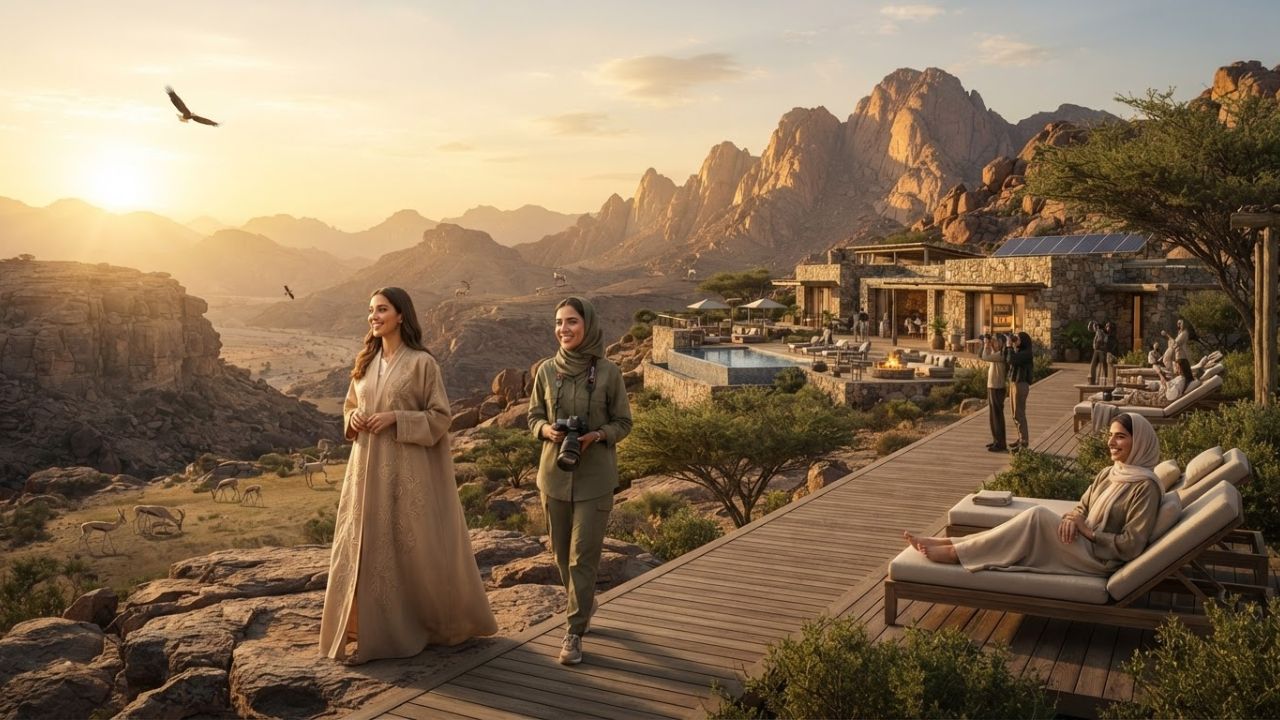
Image generated by AI
Published on July 26, 2026
In a significant move to transition its conservation regions into a structured hospitality pipeline, the latest initiatives in Saudi Arabia eco-tourism development 2026 focus on establishing low-impact lodges and camps. Led by the National Center for Wildlife, official tenders cover wilderness camps and luxury mountain accommodations in the Riyadh, Makkah, and Al-Baha regions. Travel operators are cautioned that these sites are currently in the procurement phase and cannot yet be booked by international tour groups.
Quick Summary
- Bidding Phase Launched: The National Center for Wildlife has opened tenders for eco-lodges, caravans, and camps in protected areas.
- Key Target Reserves: Tenders focus on Jabal Shada al-A‘la (Al-Baha) and Majami al-Hadb (Riyadh/Makkah region).
- Upcoming August Deadlines: Majami camp tenders close on 9 August and 16 August 2026, signaling active procurement.
- Low-Impact Ecotourism: Strict environmental licensing restricts building size to protect sensitive desert and mountain ecosystems.
- Large Resident Market: The country's 2025 tourism base reached 123 million tourists, providing strong domestic demand for nature retreats.
Context and Background: Developing Saudi Arabia Eco-Tourism Development 2026
Under the Saudi Green Initiative, the government aims to place 30% of its terrestrial and marine territory under environmental protection by 2030. According to strategy briefs from the National Center for Wildlife (NCW), this expanding conservation network must integrate low-volume ecotourism to remain economically viable. By replacing mass-market hotel structures with sustainable eco-lodges and camps, authorities aim to diversify the hospitality sector in cooperation with the Ministry of Tourism, Saudi Arabia.
Event/Incident Details: Tenders and the Saudi Arabia Eco-Tourism Development 2026
The official tender schedules, region allocations, and development categories recorded by the wildlife authority are detailed in the index below:
| Protected Reserve Area | Administrative Region | Proposed Lodging Format | Bid Submission Deadline | Project Status (as of July 26, 2026) |
|---|---|---|---|---|
| Jabal Shada al-A‘la | Al-Baha Region | Tourist caravan site | 23 June 2026 | Deadline passed; awards pending |
| Jabal Shada al-A‘la | Al-Baha Region | Eco-lodge development area | 23 June 2026 | Deadline passed; awards pending |
| Jabal Shada al-A‘la | Al-Baha Region | Luxury mountain eco-lodge | 23 June 2026 | Deadline passed; awards pending |
| Majami al-Hadb | Riyadh & Makkah Regions | Eco-lodge operation | 21 July 2026 | Deadline passed; bid evaluation active |
| Majami al-Hadb | Riyadh & Makkah Regions | Eco-camp establishment | 9 August 2026 | Tender active; deadline ahead |
| Majami al-Hadb | Riyadh & Makkah Regions | Environmental camp site | 16 August 2026 | Tender active; deadline ahead |
To support market analysis, planners compare these tenders with national travel growth indicators recorded during 2025:
| Ecotourism Market Indicator | 2025 Recorded Metrics | Strategic Value for Reserve Hospitality | Source of Official Verification |
|---|---|---|---|
| Total Domestic & Inbound Tourists | About 123 million visitors | Establishes a large target audience for nature retreats | Saudi Ministry of Tourism Estimates |
| Domestic Tourism Spending | SAR 127.08 billion | High purchasing power supports niche wilderness lodging | Saudi Ministry of Tourism Estimates |
| Total Airport Passengers | 140.9 million passengers | Broadens regional visitor distribution options | Saudi Aviation Authority Logs |
| Jeddah KKIA Traffic | 40.8 million passengers | Primary aviation gateway to the western reserves | King Khalid International Airport Logs |
| Licensed Accommodation Facilities | 5,622 properties | Rapidly growing hospitality base (up 40.6% YoY in Q3 2025) | Saudi Tourism Licensing Q3 2025 |
According to maps published by the Saudi Green Initiative, these reserves support regional biodiversity, protecting species like the Arabian wolf, sand fox, caracal, rock hyrax, and spiny-tailed lizard.
Event/Incident Details: Obstacles facing the Saudi Arabia Eco-Tourism Development 2026
While the tender pipeline creates new opportunities for tourism operators, several regulatory and operational risks remain:
- Environmental Compliance Obligation: Construction must adhere to strict wildlife codes, limiting the footprint of caravan sites and camps.
- Unconfirmed Opening Times: Since tender awards are still pending, travel sellers cannot predict when rooms will become bookable.
- Remote Location Accessibility: Majami al-Hadb is located 125 kilometers east of Ranyah, requiring specialized ground transfers.
- Scarcity and Pricing Volatility: Low room numbers at mountain retreats like Jabal Shada can lead to highly volatile premium rates.
- Varying Regional Rules: Operators must secure multiple licenses from local authorities when crossing administrative boundaries.
What Authorities Are Saying
Wildlife directors and tourism planners highlight that conservation areas require a balance between access and protection. Spokespeople at the National Center for Wildlife state that low-impact tourism is the only format allowed within sensitive reserves.
Ministry of Tourism representatives note that the ecotourism pipeline is a key part of diversifying room inventory away from traditional city centers.
Additionally, conservationists at the Ibex Protected Area—the first Saudi site to join the IUCN Green List—point out that meeting international standards is necessary to protect biodiversity.
Practical Traveler Advice Section
For travel agents and tour operators analyzing these mountain and desert projects in 2026, experts recommend the following guidelines:
- Do Not Sell Openings Yet: Treat these eco-resorts as future inventory; avoid selling rooms until opening dates are confirmed.
- Separate Makkah Region from Makkah City: Ensure clients understand that Majami al-Hadb is a wilderness area, not an extension of the holy city.
- Plan for Guided Groups: Design itineraries built around authorized zones, guided wildlife hikes, and small-group transport.
- Confirm Transfer Infrastructure: Coordinate airport transfers via Riyadh or Jeddah gateways, ensuring vehicles are suitable for remote terrain.
- Avoid Guaranteed Wildlife Claims: Inform clients that while species like the striped hyena or caracal live in the reserves, sightings are not guaranteed.
Broader Context Section
The ecotourism strategy reflects a broader shift toward nature-based travel under Vision 2030. Historically, Saudi Arabia's hospitality market relied on business travel in Riyadh and religious pilgrimages in Makkah.
Today, designated biosphere reserves like the Farasan Islands and UNESCO properties like ‘Uruq Bani Ma‘arid in the Empty Quarter are establishing a new tourism model, positioning the country's desert and mountain wilderness as a premium nature destination.
What to Expect Next / Looking Ahead
Looking ahead, the National Center for Wildlife will evaluate bid submissions for the Majami al-Hadb camps following the 9 and 16 August 2026 deadlines. Successful developers will submit detailed environmental impact studies before beginning light construction.
In the transport sector, regional boards will plan access roads connecting Ranyah with the Majami reserve gates. Tourism boards will also compile official listing catalogs to introduce these low-volume nature products to international trade fairs in late 2026.
Conclusion
In conclusion, the transition of Saudi Arabia's reserves into investable eco-lodges represents a milestone for sustainable tourism. By waiting for official opening announcements, planning for small groups, and verifying remote ground transfers, travel sellers can prepare for this emerging market. Remaining prepared and informed will guarantee a successful and responsible entry into the Kingdom's nature frontier.
FAQ: Saudi Arabia Eco-Tourism Development 2026
What protected areas are currently open for tourism tenders?
Tenders focus on Jabal Shada al-A‘la in the Al-Baha region and Majami al-Hadb crossing the Riyadh and Makkah regions.
Can travelers book these eco-lodges and camps now?
No, these projects are in the bidding and procurement phase; opening dates, tariffs, and booking channels have not been published.
What is the geographic location of Majami al-Hadb?
The reserve covers 1,181 square kilometers and is located approximately 125 kilometers east of Ranyah in a remote desert area.
What wildlife is protected in these reserves?
Species include Arabian wolves, sand foxes, Arabian hares, rock hyraxes, caracals, striped hyenas, and golden eagles.
How does this connect to Saudi Arabia's Vision 2030?
The ecotourism initiative supports the Saudi Green Initiative, which aims to protect 30% of the country's territory by 2030.
Related Travel Guides
- European Union Approves Free Adjacent Seating for Children Under Fourteen, Strengthening Family Airline Seating Rights Across Member States: New Travel Alert
- 7.4 Magnitude Earthquake Hits Southern Mexico Pacific Coast Triggering Safety Alerts for Oaxaca and Guerrero
- Air France Suspends Flights to Dubai, Riyadh, and Beirut Amid Heightened Middle East Security Risks: New Travel Alert
Disclaimer
This article is for informational and educational purposes only. It does not constitute legal, financial, or professional advice. While we strive to provide accurate and up-to-date information, travel policies, regulations, and conditions change rapidly. Always verify information with official sources before making travel decisions. Nomad Lawyer makes no representations about the accuracy, reliability, completeness, or suitability of the information provided. Readers should consult qualified professionals for advice specific to their circumstances. The views expressed in this article are those of the author and do not necessarily reflect the views of Nomad Lawyer.
Kunal K Choudhary
Co-Founder & Contributor
A passionate traveller and tech enthusiast. Kunal contributes to the vision and growth of Nomad Lawyer, bringing fresh perspectives and driving the community forward.
Learn more about our team →