
Saudi Arabia Targets Chinese Tourists as WTM Spotlight Riyadh 2026 Unlocks Middle East Travel Boom
Saudi Arabia is rapidly becoming a top long-haul destination for Chinese travelers, driven by Vision 2030 reforms, 91% flight capacity growth, and Approved Destination Status from Beijing.

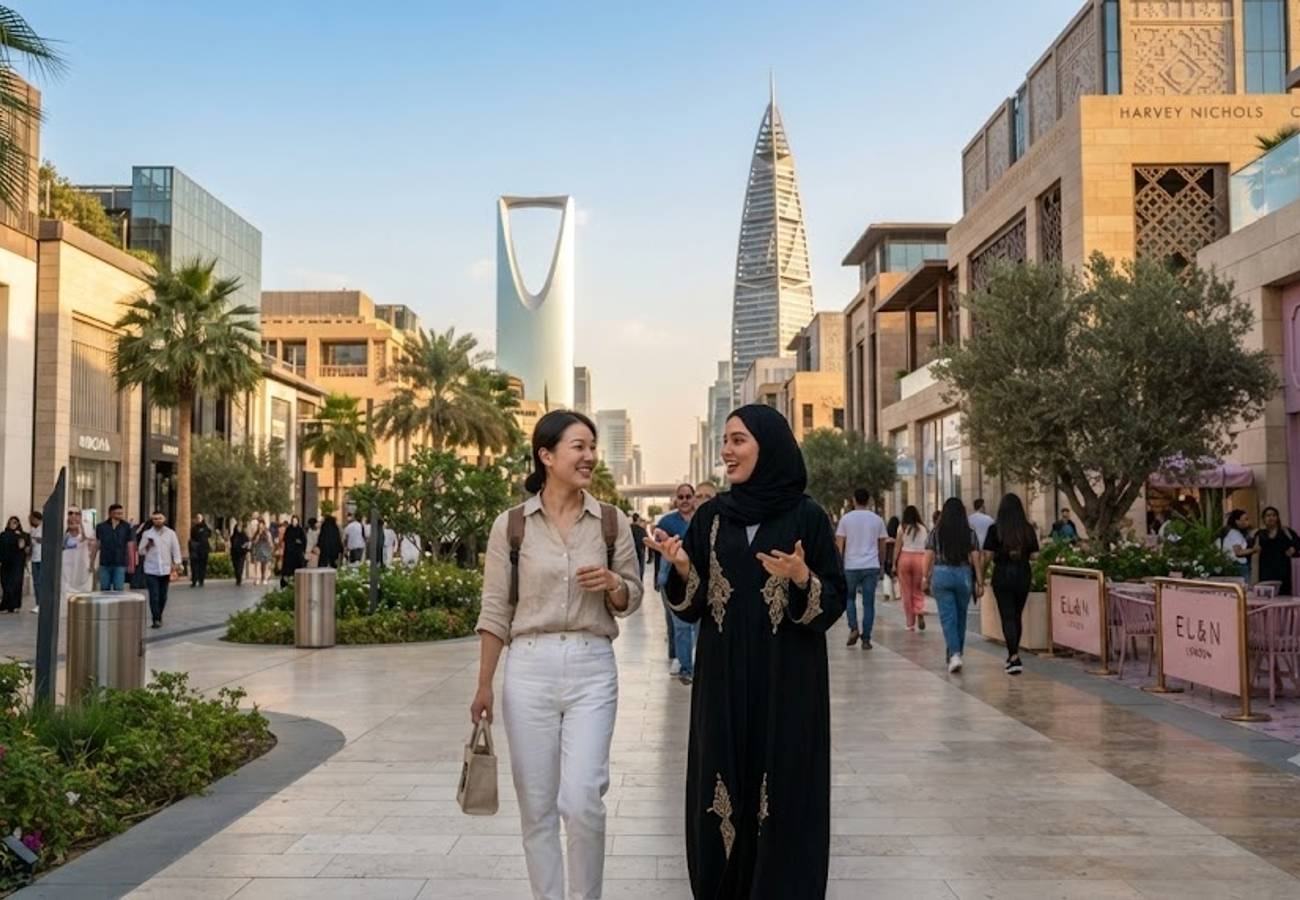
Image generated by AI
Saudi Arabia Is Betting Big on Chinese Travelers—And Winning
Saudi Arabia is no longer just a religious pilgrimage destination. The Kingdom has quietly transformed itself into one of the fastest-growing long-haul attractions for Chinese outbound travelers, signaling a major shift in Middle Eastern tourism dynamics.
The numbers tell the story. Flight capacity between Greater China and Saudi Arabia surged 91 percent in 2025 compared to the previous year—a staggering expansion that reflects airline confidence and genuine traveler appetite. Direct routes now connect Beijing, Shanghai, Guangzhou, Shenzhen, and Haikou directly to Riyadh, Jeddah, and Dammam.
This isn't accidental growth. It's the result of deliberate strategy, massive infrastructure investment, and one critical government designation that opened the floodgates.
The Game-Changer: Approved Destination Status
In 2024-2025, Saudi Arabia received Approved Destination Status (ADS) from the Chinese government—a milestone that fundamentally changed how travel operators could market the Kingdom to Chinese consumers.
Reddit: "This changes everything for group tours. China just officially blessed Saudi Arabia as a legitimate destination." — r/travel
Think of ADS as an official green light. It allows organized leisure travel promotion, legitimizes group tour packaging, and gives Chinese travel agencies the regulatory confidence to invest in Saudi Arabia programming. Hotels, airlines, and tour operators suddenly had a clearer path to Chinese customers.
The designation also signals diplomatic alignment and mutual tourism confidence between Beijing and Riyadh—crucial for traveler psychology in Asia's outbound market.
Vision 2030 Transformed the Kingdom Into a Modern Destination
Saudi Arabia's Vision 2030 isn't just about economic diversification; it's reshaped the entire traveler experience.
The government poured billions into heritage sites, luxury resorts, entertainment districts, modern airports, and cultural attractions. More importantly, they invested in traveler convenience: Mandarin-language airport signage, expanded digital payment systems (crucial for Chinese travelers), and hospitality staff trained for international service standards.
Chinese travelers increasingly seek authentic cultural experiences paired with premium infrastructure—exactly what Vision 2030 delivers. They want safety, convenience, and Instagram-worthy moments. Saudi Arabia now offers all three.
WTM Spotlight Riyadh 2026: Industry's Biggest Middle East Gathering
On September 8-10, 2026, the travel industry converges on Riyadh Front Exhibition & Conference Center for WTM Spotlight Riyadh—the inaugural World Travel Market event dedicated to the Middle East.
The scale is impressive:
- 300+ exhibitors
- 7,000+ international and regional attendees
- 150 hosted buyers
- Focus on aviation, hospitality, technology, and investment partnerships
This isn't a small regional conference. It's the industry's formal acknowledgment that the Middle East—and specifically Saudi Arabia—has become a central player in global tourism economics.
Dragon Trail International research, released ahead of the event, identifies Saudi Arabia as one of the fastest-rising Middle Eastern destinations for Chinese travelers. That data will shape the September discussions, influencing airline route planning, hotel expansion, and travel operator strategy for the next five years.
Why Chinese Travelers Are Choosing Saudi Arabia
The shift in Chinese travel preferences is fueling this boom. Modern Chinese travelers want:
Independent travel flexibility rather than rigid group tours. Immersive cultural experiences that connect them to authentic local life. Luxury accommodation that justifies the long-haul investment. Family-friendly attractions that appeal to parents booking multi-generational trips. Wellness tourism options including spas, retreats, and health-focused experiences. Seamless digital connectivity for payments, navigation, and social sharing.
Saudi Arabia checks every box. The Kingdom offers world-class luxury hotels (many by international chains), heritage sites with genuine historical significance, modern entertainment districts like NEOM and other Vision 2030 projects, and the infrastructure to support digital-first travelers.
The Aviation Explosion: 91% Capacity Growth Speaks Volumes
Here's what matters most to industry watchers: airlines don't increase capacity by 91 percent on speculation. They do it based on booking data, load factors, and revenue projections.
Airlines operating Beijing-Riyadh, Shanghai-Riyadh, Guangzhou-Riyadh, Shenzhen-Riyadh, Haikou-Jeddah, and Beijing-Dammam routes saw genuine demand signals. More seats deployed means more Chinese travelers actually purchasing tickets.
This aviation surge fundamentally changes the destination's accessibility. Fewer connections mean faster journeys. More frequency means better pricing competition. Both factors drive organic traveler interest beyond just business travelers and pilgrims.
The Bigger Picture: A Middle East Tourism Boom
Saudi Arabia isn't alone in this growth. The entire Middle East is positioned to capture increasing Chinese leisure spending through 2030. Forecasts project substantial growth in Chinese tourist expenditure across the region—potentially doubling or tripling current levels.
But Saudi Arabia has first-mover advantage combined with government backing and infrastructure investment. The Kingdom is positioning itself as the region's primary gateway for Chinese travelers, with other Middle Eastern destinations following in secondary roles.
This creates a multiplier effect: better air connectivity attracts more visitors, which justifies hotel development, which attracts more airlines, which attracts more tourism investment. The momentum becomes self-reinforcing.
What WTM Spotlight Riyadh Means for the Industry
The September 2026 event isn't just networking. It's where the next wave of tourism strategy gets written.
Expect announcements on new aviation partnerships, hotel mega-projects, technology investments, and destination marketing campaigns specifically targeting Chinese consumers. Tourism boards across the Middle East will showcase their Chinese-language capabilities and regional positioning.
For Chinese travel operators, it's a critical sourcing event—the chance to build relationships with hotels, airlines, and DMCs that will shape their product lineup for years. For investors, it signals where tourism capital should flow.
The subtext? The Middle East is officially open for mass Chinese tourism, and the race is on to capture market share before saturation occurs.
The Timeline Matters
By 2030, Saudi Arabia targets 150 million annual visitors—a figure that includes both domestic and international arrivals. Chinese travelers will represent a significant portion of that growth, particularly for the premium leisure and experiential tourism segments.
The next four years will determine whether that target becomes reality. WTM Spotlight Riyadh 2026 is the critical inflection point where strategy becomes execution.
Saudi Arabia is turning Chinese travelers into its fastest-growing demographic—and the September summit will prove it.
Related Travel Guides
Disclaimer
This article is for informational and educational purposes only. It does not constitute legal, financial, or professional advice. While we strive to provide accurate and up-to-date information, travel policies, regulations, and conditions change rapidly. Always verify information with official sources before making travel decisions. Nomad Lawyer makes no representations about the accuracy, reliability, completeness, or suitability of the information provided. Readers should consult qualified professionals for advice specific to their circumstances. The views expressed in this article are those of the author and do not necessarily reflect the views of Nomad Lawyer.
Kunal K Choudhary
Co-Founder & Contributor
A passionate traveller and tech enthusiast. Kunal contributes to the vision and growth of Nomad Lawyer, bringing fresh perspectives and driving the community forward.
Learn more about our team →