
Saudi Arabia's 2026 Falcon Auction Highlights Living Intangible Heritage
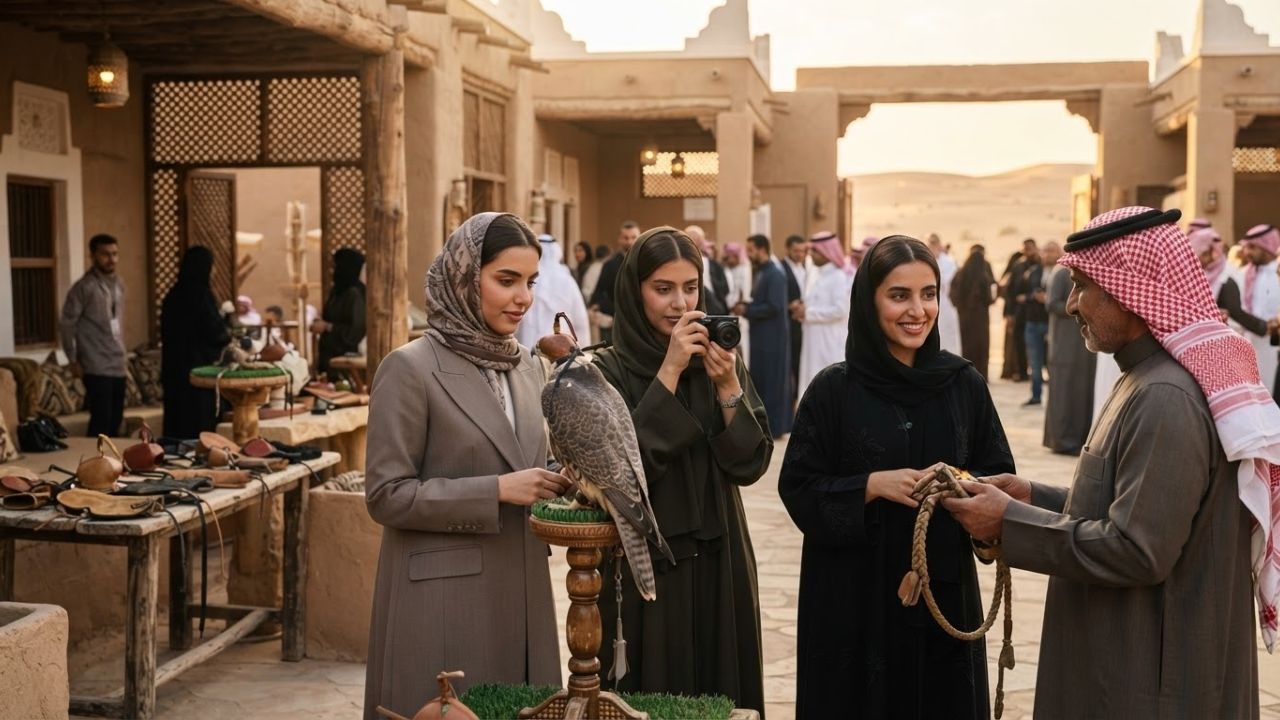
Image generated by AI
Saudi Arabia is welcoming heritage enthusiasts to the International Falcon Breeders Auction 2026 in Malham, offering visitors a unique look into one of the Kingdom's most treasured cultural traditions. Running from August 5 to August 25, 2026, at the National Center for Falcons, this seasonal event highlights the role of falconry in the heritage of the Arabian Peninsula.
Positioned 45 kilometers north of the capital city of Riyadh, the auction brings together international and local breeders, conservationists, and cultural travelers. Rather than presenting falconry as a historical relic, the event showcases a living human heritage, providing a platform to observe elite captive-bred birds of prey and understand the craftsmanship behind this ancient sport.
The Local Trend: Cultural Tourism Driven by Living Traditions
The growth of cultural tourism in Saudi Arabia is increasingly focused on immersive events that connect global visitors with authentic regional customs. The International Falcon Breeders Auction, organized under the supervision of the Saudi Falcons Club, represents a shift from passive sightseeing to active heritage participation.
The event includes dedicated display areas for international and local falcon farms, specialized equipment showcases, and a live bidding platform. Visitors can explore falconry exhibitions featuring different breeds, attend live auction sessions, and interact with breeders and falconry experts from around the world.
For travelers visiting Riyadh in August, the auction provides an educational experience that goes beyond the city's modern skyscrapers and shopping malls. It offers an opportunity to learn about traditional breeding practices, veterinary care, and the historical role of falcons in desert survival and community celebrations.
The Conservation Focus of Captive Breeding and the Hadad Program
For the visitor, the real value of the auction lies in its alignment with national wildlife conservation efforts. Historically, falconry depended on the capture of wild birds, which put pressure on natural populations of species like the Saker and Peregrine falcons.
Today, the Saudi Falcons Club promotes captive breeding as a sustainable alternative to protect wild falcon populations. The auction focuses on high-quality captive-bred falcons from specialized farms, ensuring that the trade does not deplete wild ecosystems.
This conservation model is supported by the Saudi Falcons Club's Hadad Program, an ecological initiative designed to reintroduce falcons into their natural habitats across the country. The program involves banding, tracking, and releasing birds of prey to enhance regional biodiversity and restore natural ecological balance. By supporting captive-bred auctions, the Kingdom balances cultural preservation with modern environmental responsibility.
Preserving Falconry as UNESCO Intangible Heritage
Falconry is recognized globally, having been inscribed on the UNESCO Representative List of the Intangible Cultural Heritage of Humanity as a living human heritage. Saudi Arabia is one of the key nominating countries that maintains this designation, recognizing the sport as a symbol of hospitality, patience, and the relationship between humans and birds of prey.
The auction in Malham serves as a platform for maintaining this heritage. By showcasing the craftsmanship behind leather hoods, gloves, and tracking systems, the event supports local artisans who continue traditional leatherworking and metalworking practices.
Additionally, the educational exhibits at the National Center for Falcons explain the historical context of falconry, ensuring that the knowledge of veterinary care, training, and flight dynamics is passed on to younger generations. This community-based preservation ensures that the cultural significance of the falcon remains central to the country's national identity.
The Falconry Micro-Economy: Supporting Local Artisans
The International Falcon Breeders Auction also functions as a vital economic engine for local communities and heritage craftsmen. Falconry requires specialized, handcrafted equipment, including leather hoods (burqa), gloves (mangalah), perches (wakr), and jesses. These items are produced by skilled artisans using traditional leatherworking, woodcarving, and metalworking techniques that have been passed down through generations.
By hosting international breeders and buyers, the auction creates a marketplace for these local craftsmen. Visitors can purchase directly from independent workshops, ensuring that tourism revenues support traditional livelihoods. This micro-economy helps preserve artisanal skills that might otherwise be lost to industrial manufacturing, contributing directly to the economic sustainability of rural communities surrounding Riyadh and Malham.
Traditional Dining: Gastronomy in Riyadh
Visitors attending the falcon auction can experience Saudi hospitality through the region's traditional culinary specialties.
- Gahwa: Traditional Arabic coffee brewed with lightly roasted coffee beans and cardamom, often infused with saffron or cloves. Inscribed on the UNESCO Representative List of the Intangible Cultural Heritage of Humanity, Gahwa is served from a traditional long-nosed coffee pot (dallah) into small cups (finjals) alongside fresh dates as a gesture of welcome.
- Kabsa: The national dish of Saudi Arabia, consisting of long-grain basmati rice cooked with a blend of spices—including black lime (loomi), bay leaves, nutmeg, and cardamom—and served with slow-cooked chicken, lamb, or camel meat, representing the heart of any communal family gathering.
- Mandi: A traditional dish where seasoned meat is slow-roasted in a subterranean clay oven (taboon), allowing the meat's natural juices to drip down and flavor the seasoned rice below, resulting in exceptionally tender meat served over fragrant rice.
- Mutabbaq: A thin, crispy folded pan-fried bread stuffed with a mixture of minced meat, eggs, green onions, and jalapeños, typically served with lemon wedges. The name translates to "folded" in Arabic, making it a popular street food that showcases local culinary heritage.
Visitor Insider Tips: Navigating the Falcon Auction
To ensure a comfortable and rewarding visit to the National Center for Falcons, consider these practical guidelines:
- Access Verification: The Saudi Falcons Club and Visit Saudi platforms do not list a standard public ticket price for general admission. Travelers should check these official sites close to their travel dates for updated visitor permits and entry protocols.
- Summer Climate Preparation: The auction takes place during August, which is the peak of the Saudi summer. Temperatures in Riyadh can exceed 40°C during the day. Plan your visit for the cooler late afternoon or evening sessions, stay hydrated, and wear loose, modest clothing with long sleeves.
- Transportation Logistics: The National Center for Falcons is located in Malham, approximately 45 kilometers north of Riyadh along the main highway. Since public transport to this area is limited, book a private transfer, hire a driver, or rent a vehicle with GPS navigation.
- Cultural Etiquette: Show respect for local traditions by asking for permission before photographing people, particularly breeders and falconers. Use your right hand when accepting Gahwa or dates, and dress modestly in compliance with public guidelines.
Outlook: The Future of Cultural Tourism in Riyadh
The International Falcon Breeders Auction 2026 is part of a broader strategy to position Riyadh as a center for cultural events and international exhibitions. The National Center for Falcons in Malham is designed to handle large-scale events, hosting international participants alongside local breeders.
Future tourism growth will depend on expanding the infrastructure at Malham, developing seasonal travel packages that combine the auction with historical tours of Diriyah, and increasing global awareness of the Kingdom's conservation initiatives. By integrating wildlife protection, community heritage, and modern event facilities, Saudi Arabia is establishing a cultural tourism model that preserves its desert traditions for future global travelers.
Related Travel Guides
AlWajh Airport Upgrade Opens Direct Gateway to AMAALA's Red Sea Wellness Resorts
Emirates and Dubai Airport Partner to Transform Stopover Tourism
Egypt and Saudi Arabia Back Gaza Peace Deal to Revitalize Middle East Tourism and Aviation in 2026
Disclaimer
This article is for informational and educational purposes only. It does not constitute legal, financial, or professional advice. While we strive to provide accurate and up-to-date information, travel policies, regulations, and conditions change rapidly. Always verify information with official sources before making travel decisions. Nomad Lawyer makes no representations about the accuracy, reliability, completeness, or suitability of the information provided. Readers should consult qualified professionals for advice specific to their circumstances. The views expressed in this article are those of the author and do not necessarily reflect the views of Nomad Lawyer.