
SAS Flight Chaos: 81 Delays, 12 Cancellations Cripple Scandinavia
Scandinavian Airlines ground 12 flights and delay 81 others across Stockholm, Copenhagen, and Oslo, disrupting thousands of passengers traveling domestic, European, and North American routes.

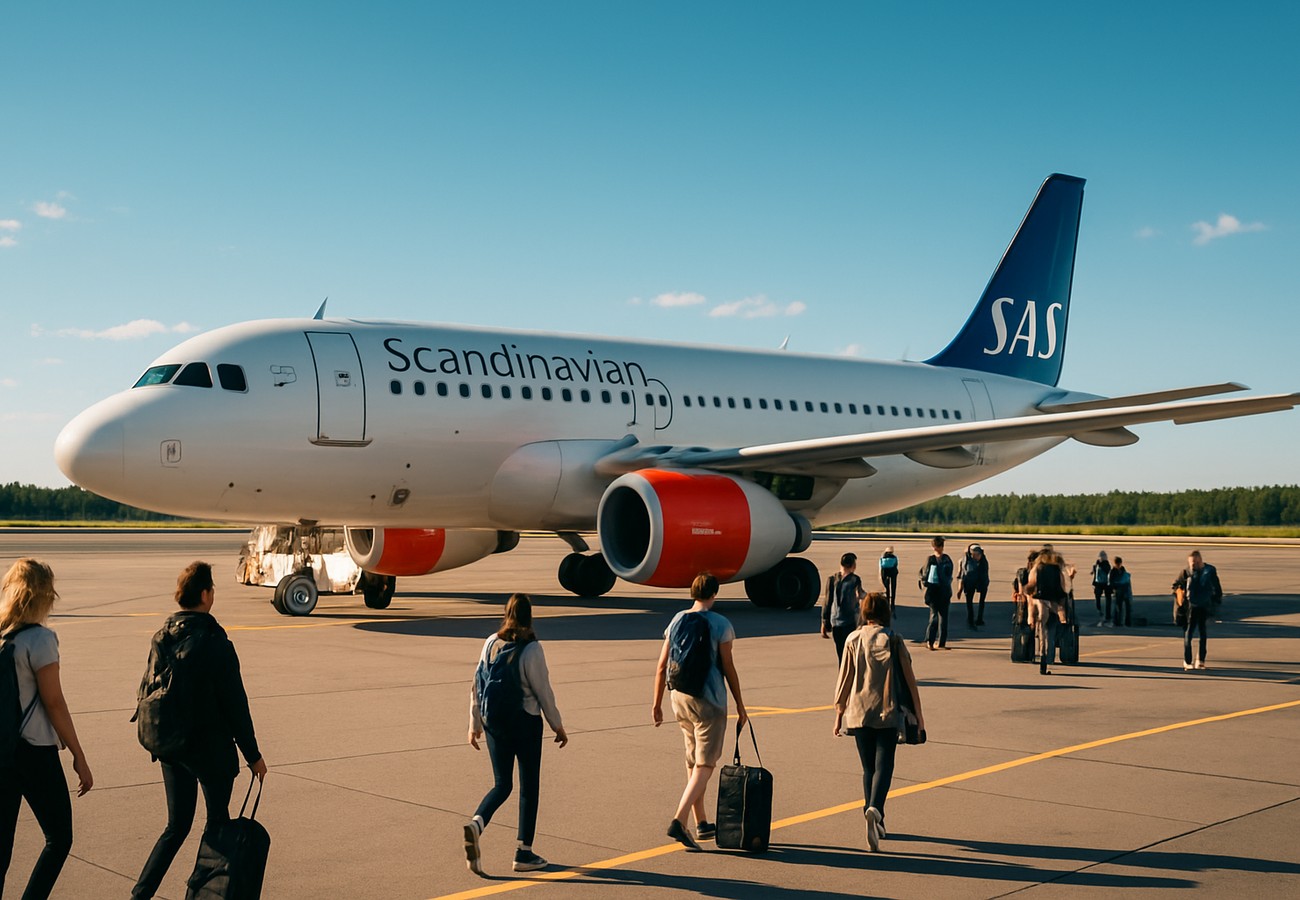
Image generated by AI
The Day Everything Ground to a Halt
Scandinavian Airlines (SAS) just delivered a masterclass in operational disaster. On May 30, 2026, the carrier logged 12 flight cancellations and 81 delays across its entire network, turning Stockholm Arlanda, Copenhagen, and Oslo Gardermoen airports into scenes of passenger despair. What should have been routine departures became hours-long sagas of uncertainty, rebooking chaos, and missed connections rippling across three continents.
The digital departure boards told the story: red cancellation notices stacked atop amber delay warnings. Business travelers watching their connections evaporate. Families watching their vacation clocks tick down. Reddit: "Just got cancelled on SAS from CPH to Newark. No staff at the counter. They're telling us to call a number that keeps disconnecting. This is insane." — r/travel
This wasn't a isolated hiccup. This was network-wide failure.
How One Disruption Cascades Into Many
Here's what most travelers don't understand: modern airlines operate like dominoes standing in a carefully choreographed line. One delay doesn't just affect that single flight—it triggers a chain reaction.
When an aircraft is delayed arriving at Copenhagen Airport, it's now late pushing back for its next departure. The crew assigned to that flight just had their rest and rotation thrown off schedule. Gate assignments shift. Ground handlers reassign. And suddenly, six other flights dependent on that aircraft are now compromised.
SAS's network connects Scandinavia to Europe and North America, meaning passengers with tight connections faced the nightmare scenario: missing their onward flights because their first leg ran hours behind. A traveler booked through Stockholm to Paris to New York doesn't just lose a day—they cascade into airline customer service purgatory.
Three Hubs, One Catastrophe
Stockholm Arlanda remains Scandinavia's busiest airport, handling over 27 million passengers annually. Copenhagen serves as a major regional hub for Northern Europe. Oslo Gardermoen handles similar traffic volumes for Norwegian travelers. On May 30, all three became pressure points simultaneously.
When major hubs experience simultaneous disruptions, the impact compounds exponentially. These airports don't operate in isolation—they're nodes in the larger European aviation network. Delays here affect onward connections in Berlin, Amsterdam, Frankfurt, and beyond.
Industry data consistently shows that approximately 40% of passengers using Scandinavian hubs are connecting travelers, not originating passengers. This means the majority of people stuck in terminals were already vulnerable to cascading delays.
The Passenger Rights Question
This is where travel law becomes crucial for stranded passengers. Under EU Regulation 261/2004, European travelers have explicit protections when flights are delayed or cancelled.
If your SAS flight was cancelled or delayed over 3 hours due to airline operational failure (not weather or air traffic control issues), you may be entitled to:
- Meals and refreshment allowances
- Hotel accommodation if an overnight stay becomes necessary
- Ground transportation to/from the airport
- Financial compensation ranging from €250 to €600 depending on flight distance
EU passenger rights regulations are remarkably passenger-friendly compared to U.S. standards. The burden falls on airlines to prove that disruptions were caused by extraordinary circumstances beyond their control.
The critical question emerging from this disruption: Was this an operational failure (airline's responsibility) or an extraordinary circumstance (passenger bears the loss)? SAS hasn't publicly disclosed the root cause, which matters enormously for passenger compensation eligibility.
Airport Capacity Meets Demand Reality
Europe's major airports face a persistent challenge: demand growth outpacing infrastructure expansion. Copenhagen and Stockholm have undergone recent expansion projects, but the growth in Nordic tourism and business travel continues exceeding capacity.
When you combine full capacity operations with staffing constraints, air traffic management delays, or weather complications, the system becomes fragile. A single disruption cascades because there's no operational slack in the system.
Recent industry reports from aviation analytics firm Cirium highlighted that European on-time performance declined 4.3% throughout Q2 2026, with Nordic carriers experiencing above-average disruptions. This SAS event isn't an anomaly—it's symptomatic of systemic pressure points.
What SAS Customers Should Do Right Now
If you're booked on SAS within the next week, here's your survival guide:
Before you leave home: Check your flight status obsessively. SAS mobile app provides real-time updates. Call the airline directly rather than relying on automated notifications.
If delayed or cancelled: Document everything—screenshots of flight status, time stamps, written communications from SAS. You'll need this for compensation claims.
Know your rights: EU261 applies to all flights departing from EU airports and flights operated by EU carriers. Download a PDF copy of your rights. SAS's website explains compensation procedures, but third-party claims firms often negotiate settlements faster.
Rebooking options: SAS must rebook you on the next available service at no cost. You can demand routing via competitor airlines if SAS has no availability. You're entitled to meals and accommodation while waiting.
The Bigger Pattern Nobody's Discussing
This disruption follows a broader trend: Nordic carriers struggling with workforce constraints and operational complexity in an increasingly congested European aviation market. SAS operates 140+ daily flights across its network—managing that volume with staffing challenges creates inevitable pressure points.
Competitor Norwegian Air recently reported similar disruption clusters. Even Lufthansa Group airlines experienced cascading delays throughout Northern Europe during this same week. The system is running hot, and any operational stress triggers disproportionate passenger impact.
The Domino Effect Across North America
Here's what makes this SAS disruption significant beyond Scandinavia: many travelers were connecting to North American flights. A delayed SAS flight from Copenhagen to Newark or Toronto doesn't just strand one passenger—it disrupts entire transatlantic flight segments.
Passengers who missed their onward connections to the U.S. now face visa implications, hotel costs, missed meetings, and the bureaucratic nightmare of proving their delay was the airline's responsibility. For business travelers, this translates to financial losses that often exceed the EU261 compensation maximum.
Recovery and Looking Forward
As of late May 30, SAS indicated that recovery operations were underway. The airline typically prioritizes rebooking affected passengers onto available services, but finding seats during peak travel season proves nearly impossible.
This disruption will likely result in compensation claims totaling millions in EUR. SAS faces potential regulatory scrutiny if authorities determine this was preventable operational failure rather than extraordinary circumstance.
For travelers: this is a stark reminder that even premium carriers with strong reputations can suffer catastrophic operational failures. Travel insurance that includes delay compensation becomes increasingly valuable.
The skies above Scandinavia won't be fully clear until SAS restores schedule stability and passenger confidence.
Related Travel Guides
Air India Thales Agreement: 10-Year IFE Maintenance Deal for 57 Aircraft
Disclaimer
This article is for informational and educational purposes only. It does not constitute legal, financial, or professional advice. While we strive to provide accurate and up-to-date information, travel policies, regulations, and conditions change rapidly. Always verify information with official sources before making travel decisions. Nomad Lawyer makes no representations about the accuracy, reliability, completeness, or suitability of the information provided. Readers should consult qualified professionals for advice specific to their circumstances. The views expressed in this article are those of the author and do not necessarily reflect the views of Nomad Lawyer.
Kunal K Choudhary
Co-Founder & Contributor
A passionate traveller and tech enthusiast. Kunal contributes to the vision and growth of Nomad Lawyer, bringing fresh perspectives and driving the community forward.
Learn more about our team →