
British Airways, United, JetBlue Hit by Major Chaos
Over 19 flights cancelled across UK airports as British Airways, American Airlines, JetBlue, United, Aer Lingus, SAS and Norse Atlantic face unprecedented disruptions affecting transatlantic and European routes.

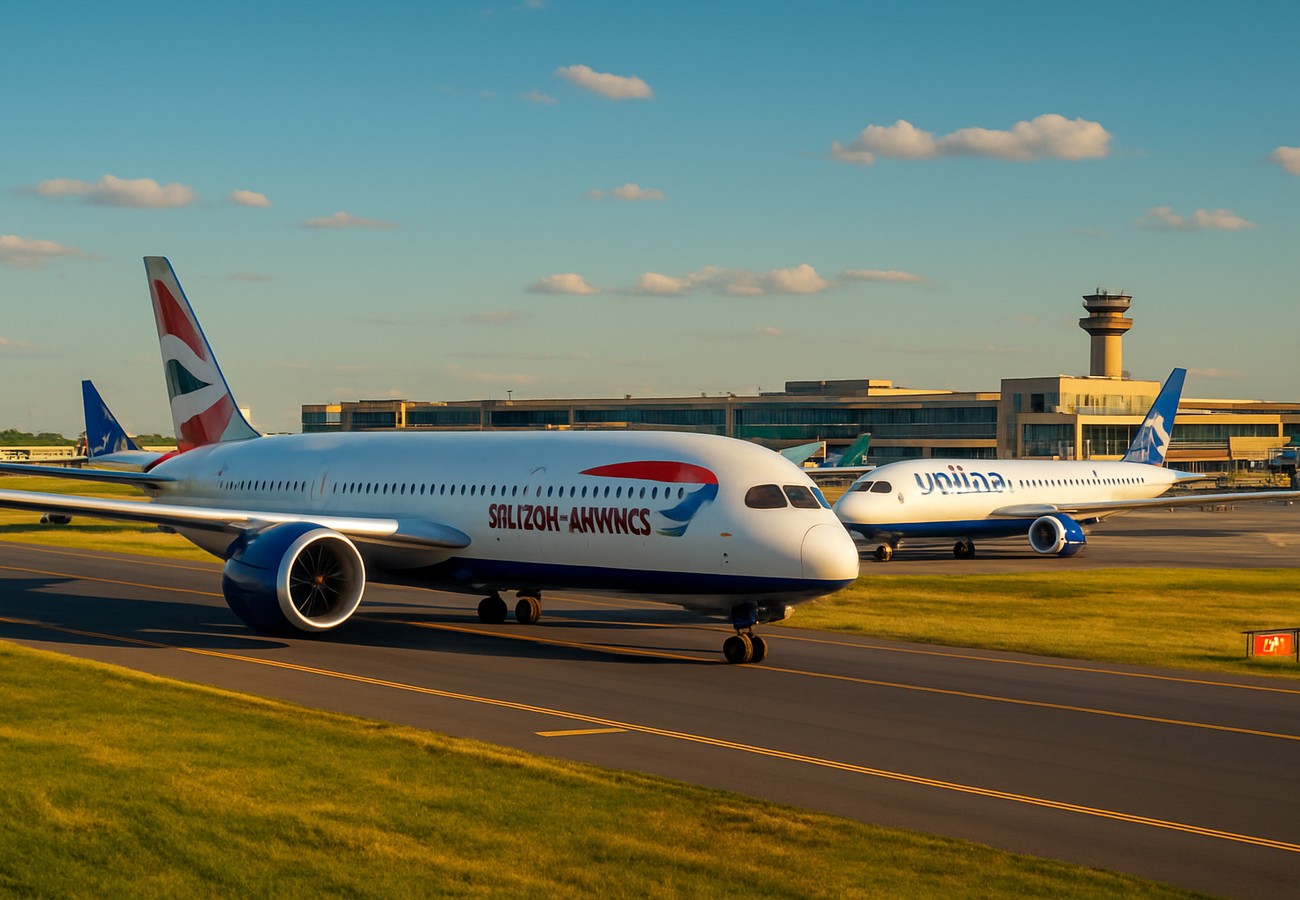
Image generated by AI
The Perfect Storm: When Seven Airlines Hit the Same Wall
It started quietly on May 30, 2026. Then it exploded.
British Airways, American Airlines, JetBlue, United, Aer Lingus, SAS, and Norse Atlantic simultaneously cancelled over 19 departures across Heathrow, Gatwick, Manchester, and Edinburgh airports. The affected routes? Spain, Sweden, Switzerland, Italy, the USA, and Ireland. The result: thousands of stranded passengers, chaotic rebooking queues, and a stark reminder that modern aviation operates on razor-thin margins.
Reddit: "I was supposed to land in Madrid this morning. Now I'm still in Terminal 3 at Heathrow watching the departure board light up like a Christmas tree of red cancellations." — r/travel
What we're witnessing isn't random misfortune. It's a cascade failure — one that exposes the fragile interdependencies woven into international aviation networks.
Why This Happened: The Perfect Storm Ingredients
The disruptions stem from a toxic combination of factors that converged with unfortunate timing.
European airspace congestion remains the primary culprit. Busy corridors feeding Heathrow and Gatwick have become increasingly saturated, with knock-on delays rippling across the network. When one flight sits on the tarmac waiting for airspace clearance, it triggers a domino effect that cascades through the day's schedule.
Severe weather patterns — particularly wind and rain impacting peak departure windows — have compounded operational backlogs accumulated earlier in the year. These aren't isolated incidents. They're symptoms of a system operating at maximum capacity with minimal buffer for disruption.
International airspace closures linked to broader geopolitical events have forced lengthy reroutes, particularly for transatlantic services. Longer flight times mean aircraft spend more time away from home bases, starving subsequent schedules of available planes. Airlines operating on just-in-time scheduling models find themselves unable to absorb these delays.
Airport Pressure Points: Where the System Cracks
Heathrow experienced heavy congestion during high-traffic periods, with turnaround times extending well beyond normal windows. Aircraft that should depart by mid-afternoon found themselves pushing back after sunset.
Gatwick struggled with both departure and arrival delays, its already-strained capacity hitting a wall as European network pressure fed more incoming traffic into the system.
Manchester Airport — frequently cited as one of the UK's most delay-prone hubs — reported average departure delays substantially higher than peer facilities. The airport's geographic position makes it vulnerable to Atlantic weather systems, compounding European congestion effects.
The Airlines Under Fire: Performance Snapshot
Not all seven carriers experienced equal impact.
British Airways, United, and JetBlue bore the heaviest load, with multiple transatlantic service cancellations. These premium long-haul routes generate disproportionate revenue, making cancellations particularly costly from both operational and reputation perspectives.
Aer Lingus and SAS absorbed disruptions on European networks, where competition from low-cost carriers and legacy operators creates dense, inflexible schedules.
Norse Atlantic and other long-haul operators faced network pressure that cascaded through their entire transatlantic deployment model.
What This Means for the Industry: The Real Consequences
Operational costs skyrocketed. Delays trigger crew duty-time violations, forcing expensive repositioning flights. Cancelled passengers require rebooking across multiple carriers, often at premium rates airlines absorb rather than pass to customers.
Compensation obligations under UK Civil Aviation Authority regulations create additional financial exposure. Airlines must provide £250-£600 per affected passenger when cancellations result from controllable causes — and proving "extraordinary circumstances" exemptions has become increasingly difficult.
Network reliability concerns threaten future bookings. When major carriers face high-profile disruptions, corporate clients and leisure travelers reassess loyalty, shifting bookings toward carriers with stronger operational records.
Tourism Takes a Hit
The consequences ripple far beyond airline operations.
Inbound tourism from North America faces particular pressure. American travelers face rising fares as schedule instability prompts premium pricing and flight anxiety. Popular European destinations — Spain, Italy, Switzerland, Ireland — report disrupted arrival flows as rerouted flights compress arrival windows or disappear entirely.
UK-to-Europe travel faces similar headwinds. Tour operators managing group itineraries deal with last-minute reroutes that blow apart carefully choreographed connections. Hotels in popular destinations report short-notice cancellations as uncertain travelers postpone or abandon trips.
Ground transport providers struggle with bunched arrivals and cancellations, making resource planning nearly impossible during disruption windows.
Geography of Disruption: Which Destinations Suffer Most
The United States — Britain's primary long-haul market — faces the sharpest impact. Transatlantic capacity already operates near maximum, and cancellations compress booking demand onto fewer available seats, pushing fares higher.
EU member states (Spain, Italy, Sweden, Switzerland, Ireland) report ripple effects from rerouted flights and cascade cancellations affecting onward connections.
Middle East airspace restrictions continue reshaping route architecture across the region, forcing longer alternatives that consume additional crew duty time and aircraft positioning resources.
Interestingly, some destinations benefit. Morocco reports increased tourism as UK travelers seek alternative Mediterranean experiences outside congested European hubs.
Your Rights and Practical Survival Tactics
If your flight faces disruption, know your legal standing.
Under UK and EU passenger rights regulations, you're entitled to either a refund, re-routing to your final destination, or compensation between £250-£600 depending on flight distance. These rights apply unless the airline demonstrates "extraordinary circumstances" — a legal threshold increasingly scrutinized by UK courts.
Practical steps:
Check flight status obsessively, particularly in the 24-48 hours before departure. Airline systems often identify likely cancellations before official announcements.
Arrive early — plan an extra 90 minutes at Heathrow or Gatwick during disruption periods. Rebooking queues extend through terminals when multiple carriers process cancellations simultaneously.
Pack carry-on essentials. Luggage often experiences delays longer than passenger connections when aircraft operate outside normal schedules.
Secure travel insurance with disruption coverage. It's the only protection against financial loss when airlines deny compensation claims.
FAQ: What You Actually Need to Know
Q: Why are so many flights cancelling simultaneously?
European airspace congestion, weather events, and operational backlogs created a capacity wall. When multiple carriers hit the same limitation at the same time, cascade cancellations follow.
Q: Am I guaranteed compensation?
Yes, unless the airline proves extraordinary circumstances (severe weather, air traffic control restrictions, security threats). UK courts have been skeptical of airline claims — document everything.
Q: Should I still book summer travel?
Book with flexible options and direct airlines separately rather than via third-party consolidators. Monitor your booking weekly. Disruptions persist through high-traffic periods, but they remain statistically rare relative to successful operations.
The Bigger Picture: Summer 2026 Outlook
Despite these disruptions, UK aviation remains on a growth trajectory. Nearly one-third of consumers plan increased flying this year, and passenger satisfaction metrics tick upward across most carriers.
The current chaos is painful but temporary. It reflects the cost of pushing aging infrastructure to serve modern demand. Heathrow operates at 97% capacity utilization — among the world's highest. When a weather system stalls one flight, there's nowhere for the cascade to absorb.
Longer term, capacity expansions (third runway at Heathrow, Gatwick capacity investments) promise relief. Shorter term, travelers must navigate an aviation network operating at the edge of its operational envelope.
What we're witnessing isn't system failure. It's system saturation.
Navigate with patience, document everything, and remember: disruptions fade, but your rights remain.
Related Travel Guides
Four Seasons Resort Peninsula Papagayo Unveils Summer 2026 Wildlife Program
Disclaimer
This article is for informational and educational purposes only. It does not constitute legal, financial, or professional advice. While we strive to provide accurate and up-to-date information, travel policies, regulations, and conditions change rapidly. Always verify information with official sources before making travel decisions. Nomad Lawyer makes no representations about the accuracy, reliability, completeness, or suitability of the information provided. Readers should consult qualified professionals for advice specific to their circumstances. The views expressed in this article are those of the author and do not necessarily reflect the views of Nomad Lawyer.
Raushan Kumar
Founder & Lead Developer
Full-stack developer with 11+ years of experience and a passionate traveller. Raushan built Nomad Lawyer from the ground up with a vision to create the best travel and law experience on the web.
Learn more about our team →