
Santiago Chile Emerges as Primary Hub for Solo Culinary and Andean Adventure Travel in 2026
Santiago is repositioning itself as the essential gateway for independent travelers, blending urban exploration with immediate access to Maipo Valley vineyards and Andes mountain resorts.
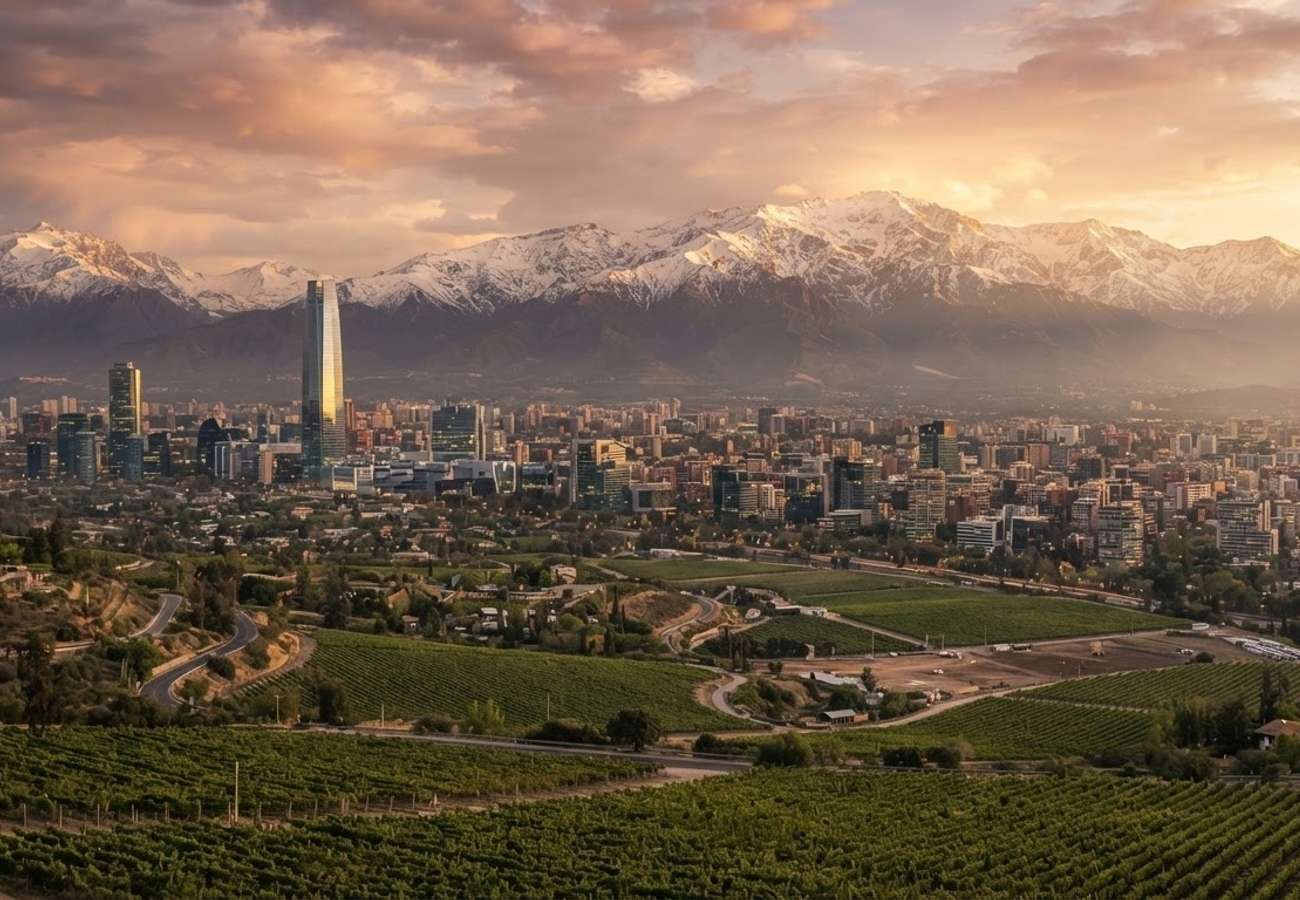
Image generated by AI
Santiago is currently establishing itself as the premier entry point for high-yield tourists seeking a hybrid experience of urban sophistication, viticulture, and high-altitude exploration.
The capital's strategic positioning between the Pacific coast and the Andes mountains allows for a multi-interest itinerary centered on a single base of operations. This logistical advantage is particularly appealing to the growing demographic of solo travelers who prioritize flexibility and ease of movement.
Urban Infrastructure and Solo Travel Logistics
Santiago has optimized its urban layout to support independent exploration. Three primary districts—Lastarria, Bellavista, and Barrio Italia—serve as concentrated hubs for galleries, design boutiques, and cultural venues.
The city's transit framework reduces reliance on private transport:
- Metro System: Provides high-frequency connectivity between central business districts and major tourist landmarks.
- Bus Network: Extends reach across the broader metropolitan area, facilitating movement to peripheral attractions.
Gastronomy and Viticulture Integration
The culinary scene in Santiago reflects Chile's extreme longitudinal geography, spanning from the Atacama Desert to Patagonia. This diversity is concentrated in the capital's dining rooms and markets.
Key culinary touchpoints include:
- Mercado Central: The primary destination for regional seafood.
- Traditional Staples: High availability of empanadas, pastel de choclo, and cazuela.
- Contemporary Dining: A shift toward modern interpretations of local ingredients.
Wine tourism is seamlessly integrated into the city break. The Maipo Valley, located south of the capital, is the most accessible region for day trips, specializing in Cabernet Sauvignon. While Maipo is the primary hub, the Casablanca and Colchagua Valleys offer expanded options for those willing to venture further.
Andean Adventure and Seasonal Shifts
The eastern boundary of Santiago provides immediate access to the Andes, allowing travelers to pivot from urban environments to high-altitude landscapes within hours.
Activity patterns vary by season:
- Summer: Focuses on hiking and mountain trekking.
- Winter: Centered on snow sports at resorts including Valle Nevado, El Colorado, and Farellones.
Strategic Connectivity and National Transit
Beyond its own attractions, Santiago functions as the primary aviation and transport node for the country. Domestic flight networks connect the capital to the Atacama Desert in the north, the lake districts, and Patagonia in the south. Coastal alternatives, specifically Valparaíso and Viña del Mar, are also easily reachable from the city center.
Regional Access Summary
| Destination Type | Key Locations | Primary Appeal |
|---|---|---|
| Urban Hubs | Lastarria, Bellavista, Barrio Italia | Arts, Design, Cafés |
| Wine Regions | Maipo Valley, Casablanca, Colchagua | Cabernet Sauvignon, Tastings |
| Mountain Resorts | Valle Nevado, El Colorado, Farellones | Skiing, Trekking |
| Coastal Cities | Valparaíso, Viña del Mar | Pacific Coast, Urbanism |
Why This Matters
From a logistical perspective, Santiago is solving the "friction" problem often associated with South American travel. By consolidating luxury urban accommodation, world-class dining, and extreme adventure within a 60-minute radius, the city minimizes the need for constant hotel switching.
For the solo traveler, this reduces risk and complexity. The ability to utilize a high-functioning Metro system and a centralized hub for domestic flights means independent visitors can curate high-intensity itineraries without the need for expensive private tour operators. Our analysis suggests that Santiago is no longer just a stopover; it is a destination that competes with other global capitals by offering "compressed geography"—the ability to experience a city, a vineyard, and a mountain range in a single 72-hour window.
Industry Outlook
Market trends indicate a continued shift toward "slow travel" hubs where visitors stay in one location longer but take frequent, specialized day trips. Expect Santiago to further expand its boutique offerings in the Barrio Italia and Lastarria districts to cater to the digital nomad and solo professional segments. We anticipate an increase in integrated "City + Mountain" packages that leverage the proximity of Valle Nevado and El Colorado to attract the luxury winter sports market.
Santiago has successfully transitioned from a transit point to a multi-layered destination.
Related Travel Guides
Disclaimer
This article is for informational and educational purposes only. It does not constitute legal, financial, or professional advice. While we strive to provide accurate and up-to-date information, travel policies, regulations, and conditions change rapidly. Always verify information with official sources before making travel decisions. Nomad Lawyer makes no representations about the accuracy, reliability, completeness, or suitability of the information provided. Readers should consult qualified professionals for advice specific to their circumstances. The views expressed in this article are those of the author and do not necessarily reflect the views of Nomad Lawyer.