
Spain Overtakes Greece, Italy, France as Europe Dominates 2026 Tourism: Safety-First Travelers Abandon Gulf Destinations
Global travelers are abandoning UAE, Qatar, and Saudi Arabia in favor of Europe's stable destinations. Spain emerges as the continent's tourism leader, reshaping international travel flows in 2026.

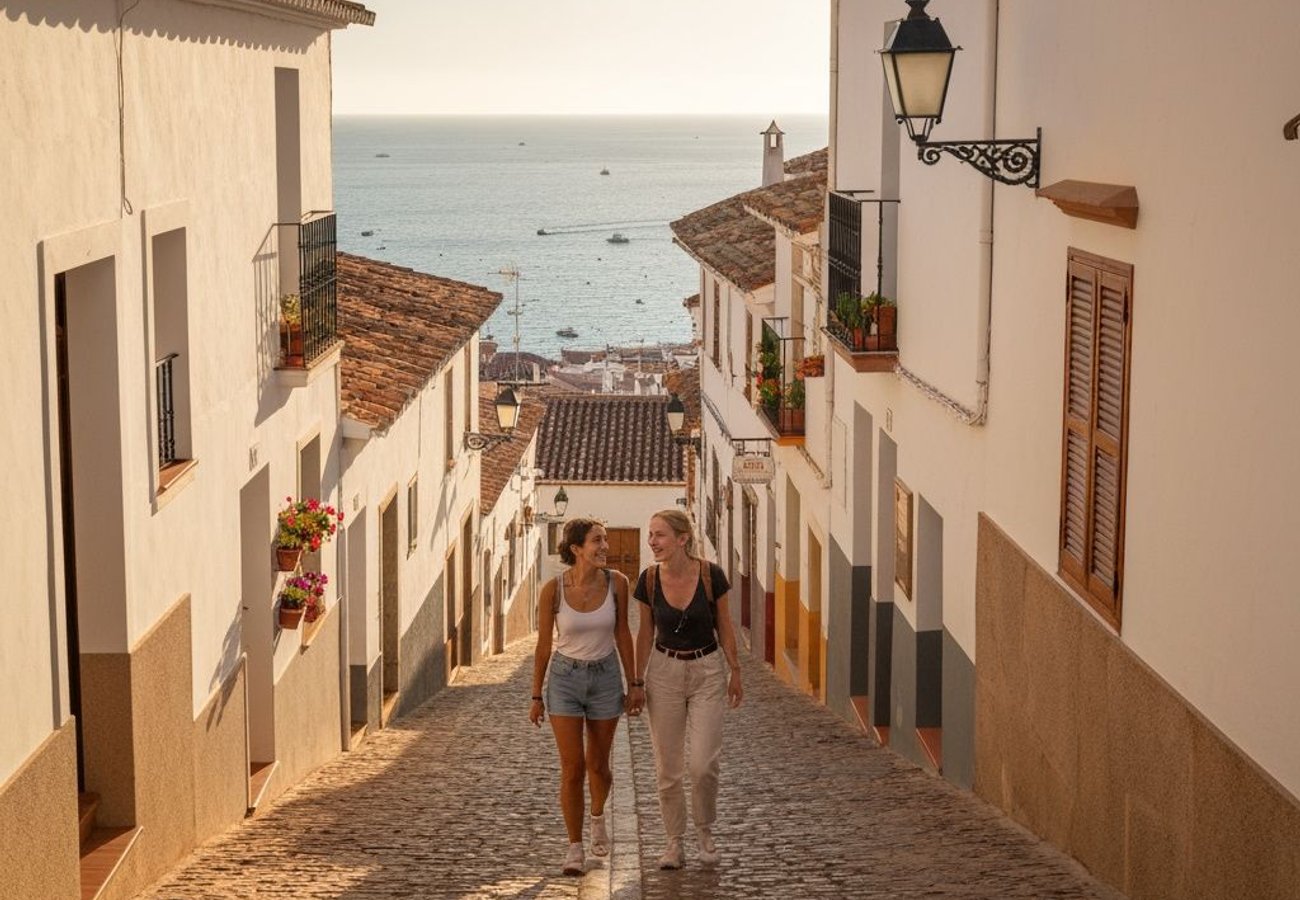
Image generated by AI
The tourism map of Europe is being redrawn in real time. Spain has vaulted to the top of the continent's travel hierarchy in 2026, surpassing long-standing powerhouses like Greece, Italy, France, Portugal, Germany, and the United Kingdom—all while travelers simultaneously redirect massive demand away from UAE, Qatar, Oman, Jordan, and Saudi Arabia. This isn't a marginal shift. This is a structural realignment in how the world travels.
What's driving this seismic change? Safety psychology. Predictability. Geopolitical stability. Travelers are voting with their feet, abandoning high-dependency gulf transit hubs in favor of Europe's densely interconnected, visa-friendly, culturally rich network of destinations.
The Spain Effect: How One Country Captured Europe's Moment
Barcelona, Madrid, Valencia, and Seville are experiencing visitor surges that tour operators describe as unprecedented. Spain's combination of affordable luxury, world-class infrastructure, and unthreatened stability has made it the preferred entry point for long-haul travelers arriving in Europe.
Tour operators report a dramatic spike in bookings for Spain's coastal regions. Visitors originally planning Gulf hub stopovers are now rerouting directly to Spanish beaches and cultural centers. This isn't seasonal tourism—it's a structural pivot that signals deeper behavioral change in how international travelers make destination decisions.
Spain's advantages are layered: year-round tourism infrastructure, strong air connectivity, cultural density, and a global perception of political neutrality and safety. The country has essentially become the gateway through which global tourism now flows into Europe.
Greece's Recalibration: From Tourism Leader to Strong Secondary Player
Here's what's happening on the ground in Greece: the country is still pulling strong numbers, particularly on islands like Santorini, Mykonos, and Crete. But for the first time in years, Greece is operating in a distinctly secondary position compared to Spain's dominance.
Reddit: "I was planning a Greek island summer, but the Spain deals are unbeatable right now. Same luxury, better value, more connected flight options." — r/travel
The dynamic has shifted. Greece is benefiting from rerouted travelers abandoning Eastern Mediterranean and Gulf-linked travel patterns, but capacity constraints and seasonal dependency limit its competitive reach. Greece remains essential to Mediterranean luxury tourism—but it's no longer the undisputed regional champion.
Italy's Luxury Renaissance: Culture Meets Stability
Italy is experiencing dual-track tourism expansion: cultural pilgrimage and luxury resort demand are both spiking simultaneously. Rome, Florence, Venice, Milan, and Naples are witnessing sustained increases in international arrivals.
Critically, Italy is absorbing high-end tourism flows previously anchored to Gulf luxury hubs. Travelers are choosing Amalfi Coast resorts and Sicily coastal experiences as premium alternatives within a stable European framework. This shift repositions Italy as the safe luxury travel alternative for 2026.
France: The Enduring High-Value Anchor
France isn't losing ground—it's consolidating it. Paris continues to dominate global luxury, fashion, and cultural travel demand. The French Riviera is experiencing a resurgence in premium bookings as travelers prioritize established, predictable luxury destinations.
France's diversified tourism ecosystem—heritage tourism, culinary tourism, coastal tourism—ensures continuous appeal to North American, Asian, and European visitors. Its global brand remains unshakeable, even as competitive pressure intensifies from Spain.
Portugal and Germany: The Emerging Connectors
Portugal is rising fast as travelers seek affordable, safe Atlantic alternatives. Lisbon and Porto are experiencing sharp increases in international arrivals, while the Algarve continues expanding its beach tourism infrastructure.
Germany benefits from its role as Europe's strategic aviation and transit hub. Frankfurt and Munich airports are processing increased rerouted traffic as travelers navigate through Europe's central nervous system. Cities like Berlin, Hamburg, and Cologne are capturing growing urban tourism demand.
The Mechanics of the Shift: Why Europe Over the Gulf?
The reasons are concrete and repeatable:
Safety Perception and Geopolitical Stability. Europe offers destinations perceived as neutral, predictable, and insulated from regional volatility. Travelers are actively avoiding long-haul dependency on single-airport gulf hubs.
Visa-Friendly Interconnectedness. The Schengen region enables seamless multi-country travel. Visitors can experience Spain, France, Italy, and Germany within days—without airport friction or visa complications. This flexibility is reshaping how global tourists plan itineraries.
Cultural Density Over Resort Isolation. Europe packs centuries of distinct cultures, cuisines, and histories into short distances. Gulf destinations, by contrast, require longer stays and deeper financial commitments around single resort experiences.
Diversification Benefits. Travelers are explicitly choosing multi-destination flexibility over single-destination concentration. This structural preference fundamentally favors Europe's networked destination model.
According to TTW's Editor-in-Chief Anup Kumar Keshan, this represents one of the most significant realignments in global travel patterns in recent years. He observes that Spain's ascendancy reflects a wider movement toward destinations that "feel stable, familiar, and easy to navigate." Europe's competitive advantage, he explains, lies in "diversity packed into short distances"—allowing visitors to experience multiple cultures in a single trip without sacrificing connectivity or comfort.
What This Means for 2026 and Beyond
This isn't a temporary anomaly correcting itself. The structural factors driving European dominance—infrastructure investment, visa harmonization, geopolitical neutrality, and cultural diversity—are hardening, not softening.
Travelers have discovered that Europe delivers superior value, superior experience, and superior certainty compared to traditional gulf-dependent routing. Once travel behavior shifts at this scale, it tends to persist.
For Greece, Italy, Portugal, and the broader Mediterranean tourism ecosystem, the message is clear: Spain has captured this moment, but there's still significant growth available for secondary and tertiary European destinations willing to compete on experience quality and value proposition.
The gulf's loss is Europe's structural gain.
Europe's tourism map is being rewritten by travelers choosing stability, connectivity, and cultural density over traditional luxury hubs.
Related Travel Guides
Disclaimer
This article is for informational and educational purposes only. It does not constitute legal, financial, or professional advice. While we strive to provide accurate and up-to-date information, travel policies, regulations, and conditions change rapidly. Always verify information with official sources before making travel decisions. Nomad Lawyer makes no representations about the accuracy, reliability, completeness, or suitability of the information provided. Readers should consult qualified professionals for advice specific to their circumstances. The views expressed in this article are those of the author and do not necessarily reflect the views of Nomad Lawyer.
Preeti Gunjan
Contributor & Community Manager
A passionate traveller and community builder. Preeti helps grow the Nomad Lawyer community, fostering engagement and bringing the reader experience to life.
Learn more about our team →