
Beyond the Boardwalk: How Santa Monica, Pensacola, and America’s Coastal Resorts Are Reinventing Year-Round Travel

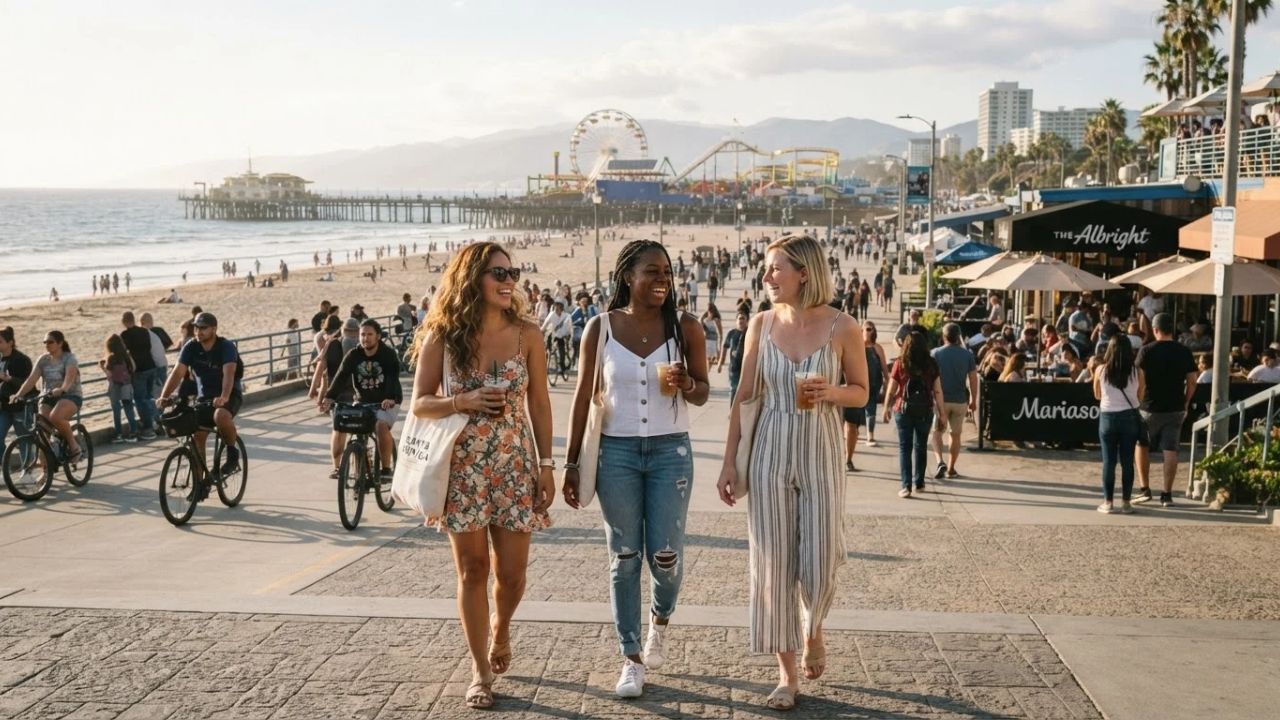
The quintessential American beach getaway was once strictly bounded between Memorial Day and Labor Day, leaving boardwalks dormant and hotel corridors vacant for nine months of the year—yet in 2026, a fundamental shift across coastal cities from Southern California to the Gulf of Mexico is driving regional tourism spending past the $2 billion mark. Rather than banking purely on ephemeral summer sunbathing, coastal hubs like Santa Monica and Pensacola are dismantling seasonal barriers through high-end dining districts, sports tourism complexes, and maritime event schedules, transforming traditional beach towns into resilient, year-round destinations.
This structural evolution coincides with a massive international travel surge projected by the National Travel and Tourism Office, which anticipates international arrivals into the United States to climb from 68.3 million visitors in 2025 to 85.2 million by 2030. To capture this expanding global demographic, oceanfront municipalities are abandoning the outdated template of generic souvenir shops and seasonal concessions. Across the Pacific, Atlantic, and Gulf coastlines, destinations are curating sophisticated culinary scenes, expanding multi-day sports tournaments, and investing in urban regeneration to ensure visitors linger longer and engage with local life across every season.
Coastal Metamorphosis: Santa Monica, Pensacola, and the $2 Billion Tourism Surge
The scale of this coastal resurgence is visible across diverse regional markets, each adapting its local assets to secure year-round stability. In Santa Monica, California, the municipal government enacted an ambitious economic-revitalization package in 2026 backed by a $3 million economic development fund. The initiative offers direct financial incentives for premier restaurateurs, streamlines retail-to-restaurant zoning conversions, and expands the designated Entertainment Zone beyond the Third Street Promenade into the wider downtown core. By linking events between the Santa Monica Pier, the boutiques of Montana Avenue, and the dining hubs of Main Street, Santa Monica is capturing multi-day stays in a competitive regional market, supported by promotional showcases including planned participation in the 2027 Rose Parade.
Underpinning this momentum, Santa Monica Travel & Tourism (SMTT) cemented its strategic continuity on September 8, 2026, when the Santa Monica City Council formally reappointed three incumbent directors: Tim Defuria as Member, Darlene Evans as Member, and Karen Ginsberg continuing as Secretary. Working alongside SMTT President and CEO Misti Kerns and Board Chairman Charlie Lopez-Quintana, the leadership team is positioning the city as a premier cultural gateway ahead of Southern California's upcoming global gatherings.
Across the continent along the Florida Panhandle, Pensacola offers compelling empirical evidence of what proactive destination stewardship achieves. Official municipal figures for April through June 2026 reveal that Pensacola welcomed 823,500 visitors, generating a 7.7% year-on-year increase. Room nights rose 5.1%, while direct visitor spending climbed 4.3% to eclipse $430.3 million. Tourist Development Tax collections jumped 7.6%, reflecting sustained lodging demand. Notably, Visit Pensacola confirmed that targeted marketing directly influenced 26% of arriving visitors to choose the destination—a nine-percentage-point increase over the preceding year—while first-time arrivals expanded by four percentage points.
Similar structural upgrades are unfolding across the American shoreline:
- Long Beach, California: Generates nearly $2 billion in annual economic impact, with the Long Beach Convention and Entertainment Center attracting over one million attendees and yielding over 154,000 room nights in the FY2024–25 cycle. Its cruise terminal processed over 700,000 Carnival passengers, while preparations advance to host premier sports during the 2028 Olympic and Paralympic Games.
- Galveston, Texas: Welcoming over 7 million annual visitors with more than 5,000 hotel rooms, the Gulf Coast port saw future group business commitments top $62 million in direct spending across 145,000 projected attendees in FY2025, marking a 17% rise in group bookings and a 36% jump in meeting-planner engagements.
- Ocean City, Maryland: Pioneering year-round sports travel via its Discover Ocean City initiative and a proposed 193-acre sports complex designed to host regional youth and amateur athletic tournaments during autumn, winter, and spring.
- Virginia Beach, Virginia: Advancing its Resort Strategic Growth Area and 2026 Oceanfront Event Season, where signature weekend festivals draw over 10,000 daily attendees, supported by Virginia’s 2026–2029 Strategic Tourism Plan.
- Miami Beach, Florida: Intentionally pivoting away from raw tourist volume toward high-yield experiential travel centered on world-class contemporary art, holistic wellness, and historic preservation across Ocean Drive and North Beach.
- San Diego, California: Projecting a 3.2% rise in county lodging demand for FY2026 while investing in eco-tourism through the De Anza Natural wetland and recreation project in Mission Bay.
What Makes Santa Monica and Pensacola Distinctive
What separates Santa Monica from typical California coastal strips is its seamless integration of urban sophistication and Pacific natural beauty. Perched on sandstone bluffs overlooking Santa Monica Bay, the city blends 1920s Spanish Revival architecture with progressive environmental living. The wide golden sands of Santa Monica State Beach are framed by the dramatic coastal peaks of the Santa Monica Mountains National Recreation Area, overseen by the National Park Service, creating an outdoor playground where travelers can surf morning ocean breaks and hike mountain ridges before lunch.
By contrast, Pensacola embodies the tranquil maritime heritage of the Florida Panhandle. Framed by the luminous white sands of Gulf Islands National Seashore, the area is home to Historic Pensacola Village, where preserved 18th- and 19th-century timber cottages stand under moss-draped live oaks. Unlike South Florida's energetic nightlife strips, Pensacola moves to the rhythmic cadences of working commercial fishing docks, naval aviation traditions, and protected bayou waterways where pelicans dive along untouched salt marshes.
Visitor Insider Tips: Navigating Santa Monica, Pensacola, and the Coasts
Experiencing these dynamic coastal cities like a local requires looking beyond the crowded tourist piers. Through insights supported by Visit California and Visit Florida, independent travelers can unlock authentic neighborhood experiences.
- Ditch the Rental Car in Santa Monica: Navigating Southern California freeway traffic can ruin an oceanfront escape. In Santa Monica, rely on the Metro E Line train, which connects downtown Los Angeles directly to downtown Santa Monica in under 50 minutes. Rent a beach cruiser to ride the Marvin Braude Bike Trail (known locally as "The Strand"), a paved 22-mile coastal path stretching from Pacific Palisades south to Torrance.
- Shop the Midweek Farmers Markets: Skip the weekend crowds and visit the Wednesday Downtown Santa Monica Farmers Market on Arizona Avenue. Renowned as one of the finest agricultural markets in the nation, it is where Southern California’s Michelin-starred chefs personally source seasonal heirloom tomatoes, organic avocados, and fresh coastal berries.
- Bypass Causeway Traffic in Pensacola: During peak midday hours, the Pensacola Bay Bridge and Bob Sikes Bridge connecting the mainland to Santa Monica-style barrier sands can face heavy delays. Cross early in the morning before 9:00 AM to secure secluded beach access at Fort Pickens, where historic brick casemates overlook empty turquoise waves.
- Taste Authentic Gulf-to-Table Seafood: In Pensacola, bypass chain eateries on the beach boardwalk and head straight to Joe Patti's Seafood on the mainland harbor. Purchase steamed royal red shrimp—deep-water crustaceans with a rich lobster-like flavor—or dine at historic dockside grills along Palafox Street in downtown Pensacola, named one of America’s great main streets.
Cultural and Environmental Context: Coastal Resilience and Responsible Growth
As coastal visitation swells and tourism revenue crosses $2 billion, coastal destinations face urgent environmental responsibilities. Rising sea levels, intensified hurricane seasons along the Gulf Coast, and coastal bluff erosion in Southern California require long-term ecological planning.
In San Diego, municipal authorities are advancing a coastal-resilience framework targeting the year 2100, prioritizing natural wetland restoration in Mission Bay to act as protective storm buffers. Similarly, historic coastal cities like Charleston, South Carolina, are rolling out a Responsible Tourism Initiative under their Peninsula Plan, establishing strict management controls on vehicular congestion, tourist carriage routes, and residential zoning to prevent over-commercialization from hollowing out historic neighborhoods.
In Santa Monica, eco-friendly standards mandate that hotels, restaurants, and retail spaces minimize single-use plastics and adhere to strict energy and water conservation standards. Sustainable travel means embracing these regional efforts: supporting independent small businesses, utilizing electric public transit, respecting nesting sea turtle zones along Gulf dunes, and keeping marine ecosystems pristine.
FAQ: Visiting America’s Evolving Coastal Resorts 2026
How is Santa Monica revitalizing its visitor economy in 2026? Santa Monica approved a $3 million economic development fund in 2026, offering incentives for top-tier restaurants, expanding its pedestrian Entertainment Zone beyond Third Street Promenade, and activating neighborhood events along Main Street and Montana Avenue.
What is the best time of year to visit Pensacola, Florida? Spring and autumn offer ideal conditions, featuring mild sunny days, pleasant Gulf water temperatures, and vibrant cultural events, avoiding mid-summer humidity and holiday beach crowds.
How can travelers get around Santa Monica without driving? Visitors can take the Metro E Line train directly from downtown Los Angeles, walk through pedestrian-friendly downtown avenues, or cycle along the scenic 22-mile Marvin Braude oceanfront bike path.
Why are coastal cities focusing on sports tourism and conventions? Investing in sports facilities and business conferences generates steady midweek and shoulder-season hotel occupancy, distributing visitor spending across the entire calendar year beyond summer.
When coastal towns look beyond the tide line, they discover that the true warmth of the shore is found in the vibrant, living communities that call it home.
Related Travel Guides
- Clockwork Under Pressure: Navigating the Netherlands’ Rail Network Beyond the Randstad
- Roar in the Red Dirt: How the MXGP of Australia Transforms Darwin into an International Motorsport Destination
- Bypassing the Mega-Hubs: How Florida’s Gulf and Central Coasts Are Opening to Point-to-Point Travel in 2027
Disclaimer
This article is for informational and educational purposes only. It does not constitute legal, financial, or professional advice. While we strive to provide accurate and up-to-date information, travel policies, regulations, and conditions change rapidly. Always verify information with official sources before making travel decisions. Nomad Lawyer makes no representations about the accuracy, reliability, completeness, or suitability of the information provided. Readers should consult qualified professionals for advice specific to their circumstances. The views expressed in this article are those of the author and do not necessarily reflect the views of Nomad Lawyer.
Raushan Kumar
Founder & Lead Developer
Full-stack developer with 11+ years of experience and a passionate traveller. Raushan built Nomad Lawyer from the ground up with a vision to create the best travel and law experience on the web.
Learn more about our team →