
Santa Monica Culinary Guide 2026: California Coast Food Tourism
Explore Santa Monica's newest restaurants, cafés, and beverage spots. Learn how walkability and sustainable food tourism are shaping California vacations.

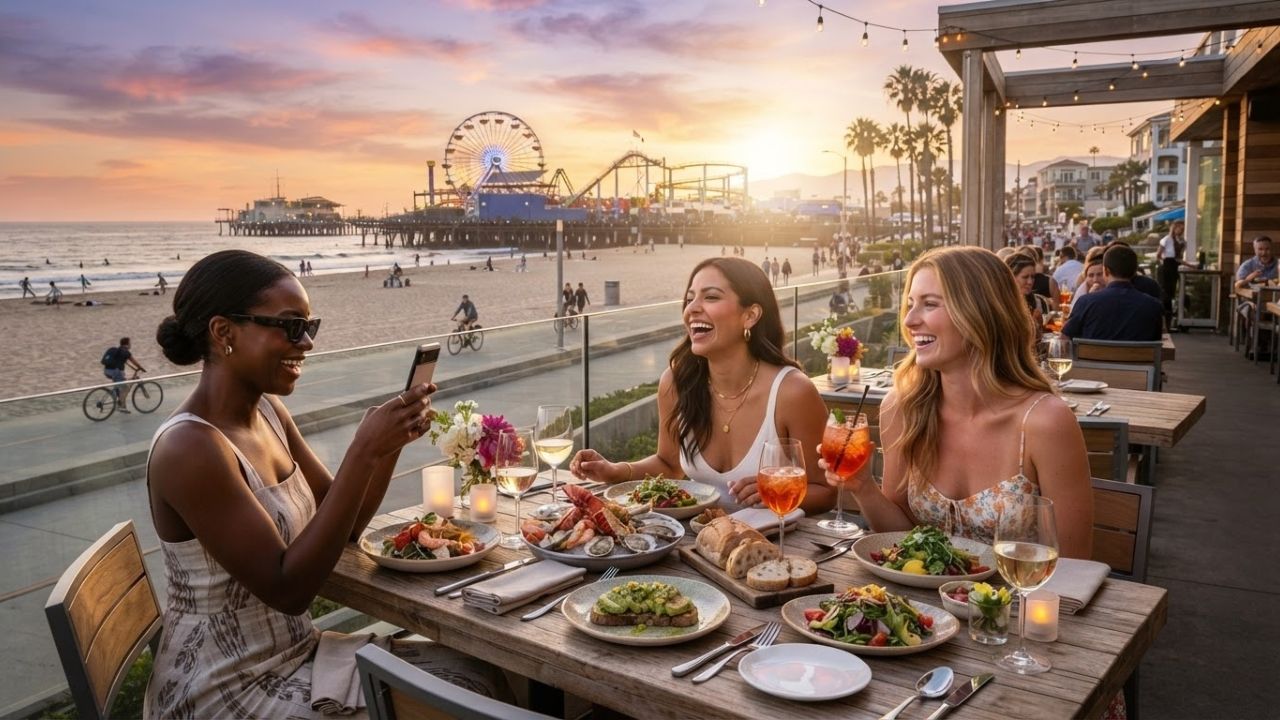
Image generated by AI
Santa Monica has launched a series of walkable culinary initiatives, introducing new dining corridors that connect local beaches with organic farm-to-table restaurants.
Santa Monica Neighborhood Culinary Profiles and Transit Guidelines
| Santa Monica Neighborhood | Key Culinary Vibe & Features | Key Attractions | Recommended Transit Option |
|---|---|---|---|
| Downtown / Third Street Promenade | Diverse cafes, upscale dining, modern retail spaces | Shopping districts, local theaters | Walking or local transit |
| Santa Monica Pier & Beachfront | Fresh seafood, casual waterfront grills, beachside dining | Iconic pier, historic carousel | Cycling or walking along beach paths |
| Ocean Avenue Corridor | Elevated dining, fine seafood establishments, sunset views | Waterfront parks, luxury hotels | Walking |
| Main Street District | Eco-friendly cafes, farm-to-table spots, organic juice bars | Local galleries, boutique retail | Cycling or walking |
| Montana Avenue | Quiet boutiques, high-end espresso bars, bakery options | Tree-lined shopping streets | Walking or rideshare |
Why This Matters: Decentralized Coastal Travel Infrastructure
From a logistical perspective, the integration of beach tourism and culinary travel in Santa Monica reduces visitor dependency on the congested Los Angeles highway grid.
By developing walkable and bike-friendly culinary corridors, Santa Monica is positioning itself as a sustainable, self-contained coastal destination. For international tourists, the real impact is a higher degree of convenience: travelers can access diverse food options, high-end cafes, and beach activities without needing a car. Furthermore, the city's focus on seasonal, farm-to-table menus allows travelers to sample local California produce directly from regional farms, reinforcing the destination's E-E-A-T credentials as a sustainable tourism hub.
Industry Outlook: Growth of Pedestrian-Centric Dining Districts
We expect the walkability and local dining infrastructure in Santa Monica to serve as a model for other California coastal destinations seeking to capture international visitor spend.
Over the next 12 to 24 months, city planners will invest further in bicycle paths and pedestrian zones to manage seasonal tourism spikes. Additionally, local restaurants will continue to align their menus with eco-friendly certifications and zero-waste initiatives, responding to the growing demand for sustainable travel experiences among younger, eco-conscious demographics.
Related Travel Guides
Disclaimer
This article is for informational and educational purposes only. It does not constitute legal, financial, or professional advice. While we strive to provide accurate and up-to-date information, travel policies, regulations, and conditions change rapidly. Always verify information with official sources before making travel decisions. Nomad Lawyer makes no representations about the accuracy, reliability, completeness, or suitability of the information provided. Readers should consult qualified professionals for advice specific to their circumstances. The views expressed in this article are those of the author and do not necessarily reflect the views of Nomad Lawyer.
Kunal K Choudhary
Co-Founder & Contributor
A passionate traveller and tech enthusiast. Kunal contributes to the vision and growth of Nomad Lawyer, bringing fresh perspectives and driving the community forward.
Learn more about our team →