
US Travel Boom 2026: Airport Crowds, Fuel Costs, and Coolcations Reshape Vacations
Record-breaking passenger numbers, fuel volatility, coolcations, and biometric gates are driving a structural evolution in US tourism.

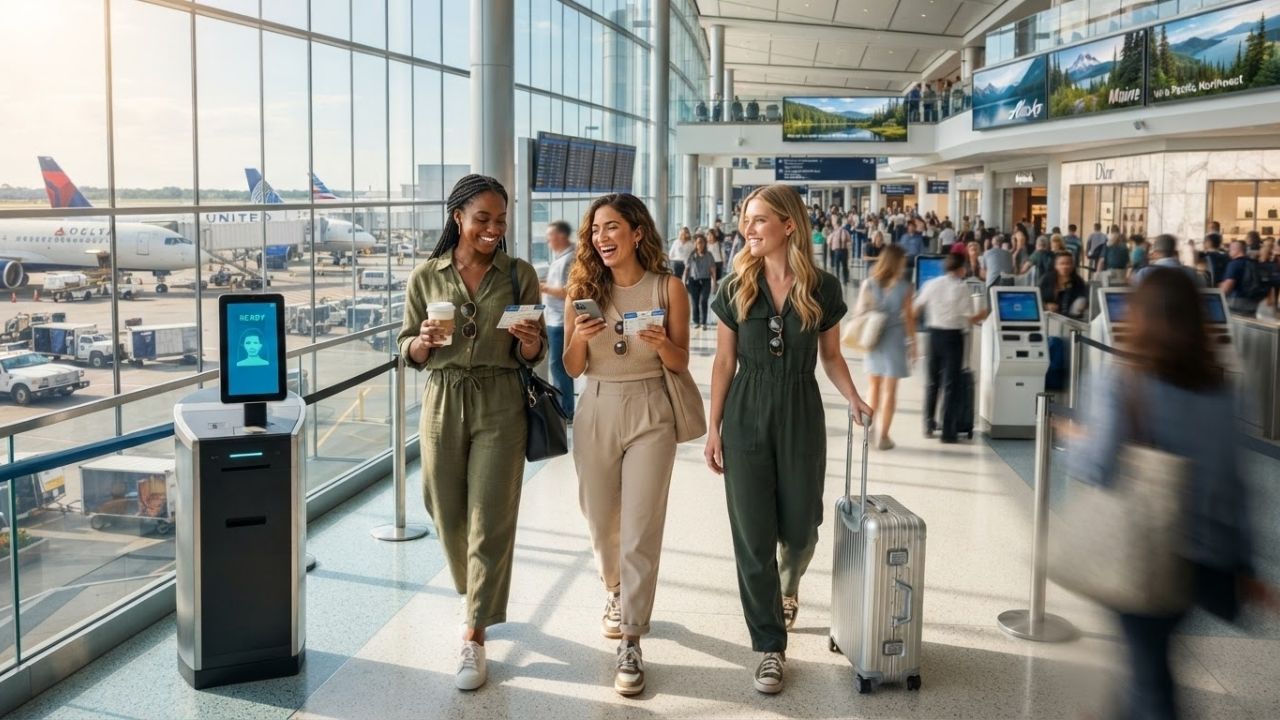
Image generated by AI
Commercial air travel across the United States has reached record volumes in 2026, with TSA checkpoints regularly processing over three million passengers daily despite volatile fuel surcharges.
2026 U.S. Travel Trend Comparison and Operational Shifts
| Travel Dimension | Traditional Model (Pre-2026) | Emerging 2026 Shift | Key Driver / Primary Benefit |
|---|---|---|---|
| Accommodation | Standard Short-Term Rentals / Airbnbs | Boutique Aparthotels (e.g., ROOST, Mint House) | Eliminates hidden cleaning fees and chore lists while providing full kitchens and hotel perks. |
| Summer Destinations | Southern Beaches & Coastal Heat | "Coolcations" (Maine, PNW, Alaska) | Escaping extreme summer heatwaves in favor of temperate northern climates and outdoor comfort. |
| Itinerary Style | High-Cost Long-Haul Trips | "Destination Dupes" & Regional Outings | Experiencing European-style charm domestically at a fraction of the cost and queue time. |
| Airport Transit | Manual Document & Security Checks | Biometric Verification & Digital Gates | Touchless facial authentication speeds up TSA throughput despite 3M+ daily passengers. |
| Flight Planning | Manual Search & Static Deal Sites | AI-Powered Flight & Route Assistants | Surfacing off-peak dates, alternative regional airports, and bundled savings automatically. |
| Travel Motivation | Over-touristed "Bucket List" Spots | Event-Driven & Purposeful Travel | Aligning trips with regional sports, multi-generational gatherings, or personal wellness. |
Why This Matters: Flight and Airport Impact Breakdown
From an operational perspective, the combination of high passenger volume and fuel cost volatility creates distinct challenges for travelers:
- Hub Congestion: Major connection hubs such as Atlanta Hartsfield-Jackson (ATL), Chicago O'Hare (ORD), and Dallas-Fort Worth (DFW) are experiencing longer queue times at check-in desks and security lanes during peak hours.
- Regional Route Fares: Airlines are optimizing schedules by cutting low-yield regional routes, resulting in fewer direct connections and higher fares for secondary markets.
- Baggage and Ramp Delays: High passenger volumes are placing pressure on baggage handling networks, making direct flights and carry-on luggage preferences more practical for avoiding connections.
Passenger Rights & Advisory: Rebooking and Compensation Protections
For the affected passenger, navigating crowded airports in 2026 requires a clear understanding of U.S. Department of Transportation (DOT) policies and TSA regulations:
- Canceled Flight Refunds: Under U.S. DOT rules, if an airline cancels a flight for any reason, the passenger is entitled to a full refund to the original form of payment, even if they held a non-refundable ticket. Carriers cannot force travelers to accept flight vouchers instead of a refund.
- Significant Delay Policies: Passengers are entitled to a refund if an airline makes a significant change to a flight schedule. This applies to departures delayed by more than three hours for domestic flights and more than six hours for international flights.
- Involuntary Bumping Compensation: If a passenger is bumped from an overbooked flight, the airline must provide written statement explaining their rights. If the airline cannot rebook the passenger to arrive within one hour of their original time, the carrier must pay compensation up to 400% of the one-way fare, capped at $1,550.
- REAL ID Compliance: Travelers should verify that their state-issued driver's license is REAL ID-compliant before security checks. Biometric security gates are voluntary, and passengers retain the right to request manual document verification.
Industry Analyst View: Infrastructure Growth and Fleet Efficiency
As airlines manage fuel overheads and high passenger volume, corporate growth will depend on fleet efficiency and terminal upgrades. Infrastructure projects, including automated baggage systems and runway expansions, serve as key tests ahead of international sports events that will draw millions of visitors to North America. Passenger comfort will depend on touchless digital tools and direct communication channels as carriers adapt to the demands of the modern travel market.
Internal Connection
Disclaimer
This article is for informational and educational purposes only. It does not constitute legal, financial, or professional advice. While we strive to provide accurate and up-to-date information, travel policies, regulations, and conditions change rapidly. Always verify information with official sources before making travel decisions. Nomad Lawyer makes no representations about the accuracy, reliability, completeness, or suitability of the information provided. Readers should consult qualified professionals for advice specific to their circumstances. The views expressed in this article are those of the author and do not necessarily reflect the views of Nomad Lawyer.
Raushan Kumar
Founder & Lead Developer
Full-stack developer with 11+ years of experience and a passionate traveller. Raushan built Nomad Lawyer from the ground up with a vision to create the best travel and law experience on the web.
Learn more about our team →