
Sacramento America Heaviest Swing Bridge Undergoes Major Revitalization
Sacramento's historic swing bridge, recognized as America's heaviest, begins extensive renovation work in 2026. The transformative project aims to preserve the structure's architectural legacy while modernizing critical infrastructure.

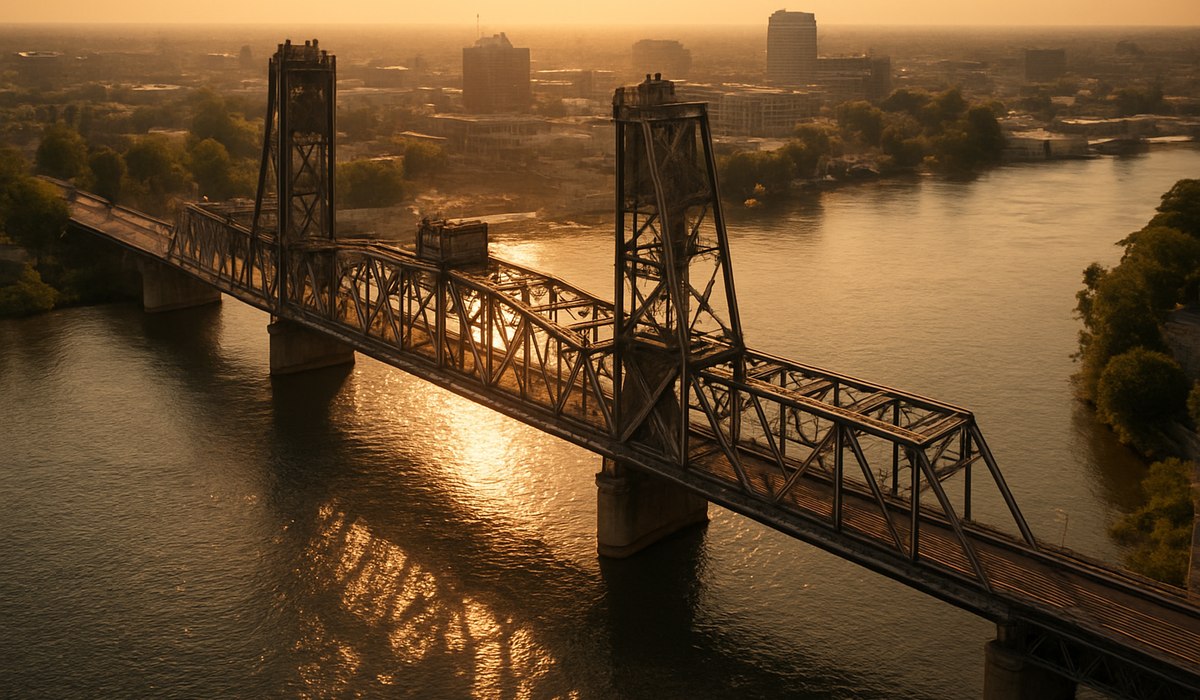
Image generated by AI
Sacramento's Iconic Swing Bridge Enters Historic Restoration Phase
Sacramento's renowned swing bridge, the heaviest of its kind in America, has officially commenced a comprehensive revitalization initiative designed to breathe new life into this engineering landmark. The multi-year restoration project addresses decades of structural wear while preserving the bridge's distinctive architectural character. This significant undertaking represents a pivotal moment for Sacramento's infrastructure and tourism landscape, as the city invests in maintaining one of its most recognizable symbols. The renovation effort will impact both local traffic patterns and visitor experiences throughout 2026 and beyond.
Engineering Marvel: The Story Behind Sacramento's Heaviest Bridge
The swing bridge stands as a testament to early 20th-century engineering ingenuity and remains a focal point of Sacramento's architectural heritage. Its classification as America's heaviest swing bridge reflects the unprecedented scale and complexity of its construction. The structure was engineered to accommodate river navigation while supporting substantial vehicular and pedestrian traffic across Sacramento's waterway.
The bridge's unique design incorporates a rotating center span that historically allowed river vessels to pass through when required. This ingenious mechanical system exemplifies the innovative solutions developed during the industrial era. Engineers and architects collaborated to create a structure that balanced functionality with aesthetic appeal, resulting in a bridge that has become integral to Sacramento's identity. The deterioration noted over recent decades prompted city planners and preservation specialists to develop this comprehensive restoration strategy.
Restoration Timeline: What's Being Revamped
The revitalization project encompasses structural reinforcement, mechanical system upgrades, and cosmetic restoration to enhance the bridge's appearance and functionality. Engineers are addressing foundational concerns while modernizing safety systems to meet contemporary standards. The restoration timeline spans multiple years, with phased construction minimizing disruption to essential traffic corridors.
Initial phases focus on comprehensive structural assessment and critical repair work on the swing mechanism. Subsequent stages involve steel reinforcement, coating applications, and pedestrian pathway improvements. The project incorporates sustainable engineering practices and accessibility enhancements for all users. Local authorities coordinate traffic management strategies to maintain regional connectivity throughout the construction period. Funding for the initiative comes from state infrastructure allocations and federal grants designated for historic preservation.
Historical Significance and Architectural Design
This swing bridge represents a crucial chapter in Sacramento's development as a regional transportation hub during the early 1900s. The structure facilitated commerce, connected communities, and symbolized civic progress during a transformative period in California's history. Its architectural design reflects design principles that emphasized both form and function, creating a structure of enduring beauty.
The bridge's aesthetic qualities, including ornamental ironwork and proportioned spans, have made it a photographer's subject and architectural study for generations. Historic preservation experts recognize the structure as exemplifying industrial-era bridge design at its finest. The building techniques employed during its original construction showcase craftsmanship largely absent in modern infrastructure projects. As Sacramento has evolved, the bridge has remained a constant landmark, serving as a tangible connection to the city's historical roots and contributing significantly to the urban landscape's character.
Impact on Sacramento's Infrastructure and Tourism
The restoration project strengthens Sacramento's commitment to preserving its architectural heritage while investing in critical infrastructure. Improved bridge functionality enhances traffic flow and supports regional economic activity throughout the greater Sacramento area. The revitalization effort positions the city as a destination for heritage tourism and architectural appreciation.
Visitors planning trips to Sacramento can anticipate enhanced accessibility and safety features upon completion. The restored bridge will feature improved pedestrian pathways, informational signage about its historical significance, and potential for organized heritage tours. Tourism boards estimate increased visitor engagement as the bridge becomes a centerpiece of architectural heritage tours and photography expeditions. The project demonstrates how infrastructure investment can simultaneously serve practical transportation needs and cultural preservation objectives. Educational institutions have already expressed interest in using the bridge as a case study for engineering and preservation initiatives.
Key Data About Sacramento's Heaviest Swing Bridge
| Attribute | Detail |
|---|---|
| Bridge Classification | America's heaviest swing bridge |
| Location | Sacramento, California |
| Construction Era | Early 1900s |
| Primary Function | Vehicular and pedestrian crossing with river navigation capability |
| Renovation Start Date | 2026 |
| Estimated Project Duration | Multiple years (phased construction) |
| Funding Sources | State infrastructure allocations and federal grants |
| Key Systems Being Upgraded | Swing mechanism, structural reinforcement, safety systems |
| Accessibility Improvements | Enhanced pedestrian pathways, modern safety features |
| Heritage Significance | Architectural landmark and civic symbol |
What This Means for Travelers
Sacramento's swing bridge restoration presents both challenges and opportunities for visitors planning trips to California's capital city:
-
Plan Alternative Routes: During peak construction phases, travelers should research current traffic conditions and identify alternate crossing routes to minimize delays while exploring the region.
-
Schedule Heritage Tours: Post-completion, book guided architectural heritage tours that will showcase the restored bridge, offering historical context and photography opportunities unavailable during construction phases.
-
Visit Observation Points: Utilize designated viewing areas along the waterfront to observe restoration progress, which has become an attraction in itself for architecture enthusiasts and documentarians.
-
Extend Your Itinerary: Use bridge-related construction updates as motivation to explore Sacramento's broader cultural attractions, museums, and historic neighborhoods during your visit.
-
Follow Project Updates: Check official Sacramento tourism websites and city planning departments for completion timelines, reopening celebrations, and inaugural events planned for the restored structure.
Frequently Asked Questions
Why is Sacramento's swing bridge considered America's heaviest? The bridge's classification stems from its unprecedented weight and scale during its design period. The rotating center span mechanism, combined with substantial steel construction, required engineering solutions that made it the heaviest swing bridge design implemented in America, a distinction it maintains today.
How long will the restoration project take? The comprehensive revitalization spans multiple years with phased construction to maintain traffic flow. Specific completion dates depend on structural assessments uncovered during initial work, but city planners expect significant milestones throughout 2026 and into subsequent years.
Will the bridge remain open during renovation? Construction planning incorporates traffic management strategies designed to maintain essential connectivity across the waterway. While some lanes or pathways may experience temporary restrictions, complete closure should be avoided through careful phased scheduling coordinated with regional transportation authorities.
Can tourists visit and observe the restoration work? Yes, designated observation areas and controlled viewing points allow visitors to monitor progress safely. Some heritage organizations offer guided walks explaining the restoration process, making the project itself an educational tourist experience.
Related Travel Guides
Discover more about Sacramento's historic attractions and infrastructure:
- Sacramento Architecture and Historic Districts: A Complete Visitor's Guide
- California Capital Region Bridges and Engineering Landmarks
- Planning Your Sacramento Heritage Tourism Itinerary
Disclaimer
This article presents information current as of April 2026 based on official Sacramento city planning announcements, infrastructure department statements, and regional transportation authority communications. For real-time project updates, traffic impacts, and construction schedules, consult the City of Sacramento Official Website and the Sacramento Metropolitan Chamber of Commerce. Heritage tour availability and observation area access may change as phases progress. Verify current conditions with your accommodation provider and local tourism offices before planning specific visits to construction zones. Always check official sources and contact transportation authorities regarding route planning and traffic considerations before traveling.
Disclaimer
This article is for informational and educational purposes only. It does not constitute legal, financial, or professional advice. While we strive to provide accurate and up-to-date information, travel policies, regulations, and conditions change rapidly. Always verify information with official sources before making travel decisions. Nomad Lawyer makes no representations about the accuracy, reliability, completeness, or suitability of the information provided. Readers should consult qualified professionals for advice specific to their circumstances. The views expressed in this article are those of the author and do not necessarily reflect the views of Nomad Lawyer.
Kunal K Choudhary
Co-Founder & Contributor
A passionate traveller and tech enthusiast. Kunal contributes to the vision and growth of Nomad Lawyer, bringing fresh perspectives and driving the community forward.
Learn more about our team →