
Ryanair vs Wetherspoon: Airport Alcohol Battle Threatens British Tourism as Michael O'Leary Demands Two-Drink Limits
Ryanair CEO Michael O'Leary's push for strict airport alcohol restrictions clashes with Wetherspoon's Tim Martin in heated debate shaking UK tourism confidence and holiday travel norms.

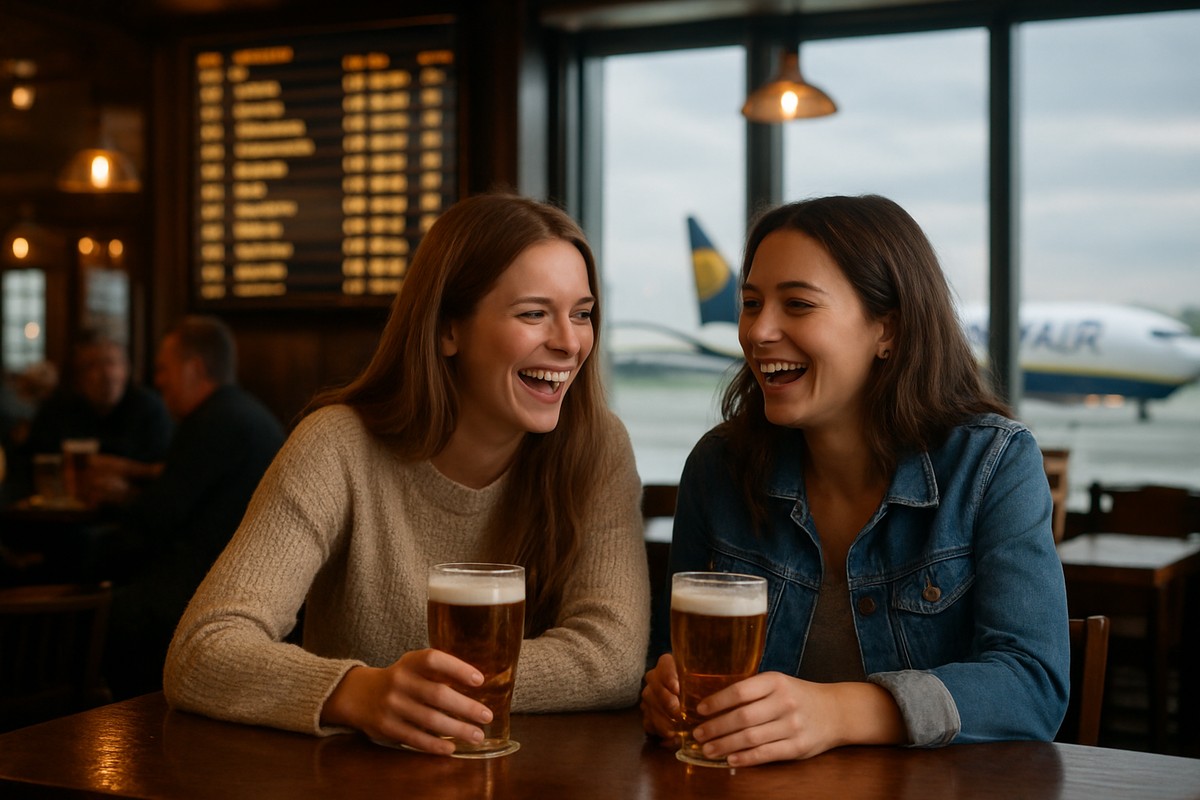
Image generated by AI
High-Stakes Showdown Over Pre-Flight Drinking Culture Shakes Confidence Among European Holiday Travelers
The British travel and tourism industry is convulsing amid an explosive dispute between Ryanair chief executive Michael O'Leary and Wetherspoon founder Tim Martin over airport alcohol restrictions—a clash that has rapidly escalated from a safety debate into a fundamental challenge to how millions of holiday travelers experience European airports. The confrontation centers on O'Leary's aggressive push for a strict two-drink limit at airport bars and a complete ban on alcohol sales before 10:00 a.m., pitting airline safety demands against hospitality industry profits and deeply entrenched airport travel culture.
The Crisis Deepens: Disruptive Passenger Incidents Spark Ryanair's Aggressive Campaign
Michael O'Leary has launched a relentless campaign against airport alcohol consumption, citing mounting evidence of disruptive passenger behavior across European leisure routes. According to the Ryanair chief, alcohol-fueled incidents inside airport terminals are directly contributing to aggressive onboard disturbances, security complications, and operational disruptions that compromise crew safety and passenger welfare. He has explicitly identified notorious leisure destinations—including Ibiza—as epicenters of alcohol-related travel misconduct, arguing that airport drinking restrictions represent a critical intervention point before passengers board aircraft.
O'Leary's demands extend beyond airport terminals into the broader aviation ecosystem. The Ryanair boss is simultaneously calling for enhanced controls on in-flight alcohol consumption, signaling that his campaign reflects a comprehensive strategy to reshape how airlines manage intoxicated passengers throughout their journey. Within the industry, O'Leary's position resonates with operational reality: disruptive passenger incidents cost airlines millions annually through diversions, delays, crew injuries, and regulatory penalties.
Wetherspoon Pushes Back: Defense of Responsible Travel Culture and Airport Revenue
Tim Martin has mounted a forceful counterargument, rejecting O'Leary's proposals as unnecessary and potentially punitive to responsible travelers. The Wetherspoon founder contends that existing legal frameworks already provide sufficient authority for airports and airlines to identify and remove disruptive passengers before boarding. Martin argues that most travelers behave responsibly when enjoying airport hospitality—a position supported by industry data showing the vast majority of airport drinkers pose no safety risk.
Beyond the legality question lies a commercial reality: airport bars, restaurants, and hospitality venues generate substantial revenue during peak tourism seasons when millions of European holiday travelers pass through British terminals. Wetherspoon and allied hospitality operators fear that stricter alcohol restrictions would unfairly penalize responsible customers while gutting airport revenue during critical holiday periods. The debate has exposed a fundamental tension between aviation safety mandates and tourism-dependent business models.
British Tourism Industry Caught Between Safety and Revenue in Critical Tourism Window
The confrontation illuminates deeper structural conflicts within modern aviation and tourism ecosystems. Contemporary British airports have evolved into sophisticated commercial hubs where hospitality, retail, and travel services generate enormous economic value. Yet airlines operate within a parallel regulatory universe where passenger safety and crew welfare drive operational decisions.
This friction arrives at a particularly sensitive moment. European airports are preparing for record passenger volumes as summer holiday demand peaks across the continent. Any regulatory shift toward stricter alcohol controls could reshape traveler behavior, compress airport hospitality revenues during peak seasons, and fundamentally alter the pre-flight travel experience that millions of Europeans regard as a standard component of holiday culture.
Public Sentiment Fractures: Divided Opinion Across UK Holiday Market
British public opinion on the airport alcohol question remains sharply polarized. Supporters of travel freedoms argue that responsible passengers should not forfeit rights because of minority misconduct. They contend that enjoying an airport drink before beginning a holiday represents a legitimate and deeply embedded travel tradition. Others maintain that aviation's unique security profile justifies extraordinary restrictions unavailable to terrestrial hospitality venues.
A provocative counterargument has emerged from some travel analysts: airlines may benefit financially if passengers reduce airport drinking and instead purchase beverages onboard at premium pricing. This observation has injected an additional commercial dimension into what appeared to be a pure safety debate.
Airport Licensing Framework Under Renewed Scrutiny as Regulatory Debate Intensifies
The escalating controversy has revived critical questions about how British airports regulate alcohol sales. Airport establishments operate under distinct licensing conditions separate from street-level pubs due to international scheduling requirements and twenty-four-hour operational demands. Tourism analysts predict government authorities may face mounting pressure to conduct comprehensive reviews of airport alcohol licensing frameworks, potentially introducing new regulatory categories specifically for aviation facilities.
Such regulatory changes would have profound implications: airport operators would face new compliance burdens, hospitality businesses would encounter operational constraints, and travelers would experience modified pre-flight environments. The outcome could establish precedents for airport regulations across European aviation networks.
European Tourism Sector Braces for Transformation as Global Implications Emerge
The Ryanair-Wetherspoon clash resonates far beyond British shores. As European airports prepare for sustained tourism demand, potential alcohol restrictions could influence traveler behavior patterns, airport revenue models, and tourism spending across the continent. Airlines operating major leisure networks—particularly those connecting to party destinations like Ibiza, Barcelona, and Prague—face direct operational incentives to support O'Leary's safety agenda.
Conversely, airport operators, hospitality chains, and tourism-dependent destinations recognize that reduced pre-flight drinking could compress visitor spending and alter tourism economics. The debate has become a proxy for larger questions about how global tourism infrastructure should balance personal freedoms, economic imperatives, and safety requirements during an era of record travel demand.
What Happens Next: Regulatory Scenarios and Industry Outcomes
Multiple scenarios may unfold as this debate matures. Government authorities could implement O'Leary's two-drink proposal, potentially reducing disruptive incidents while compressing airport hospitality revenues by an estimated 15-25% during peak tourism periods. Alternatively, regulators may preserve existing frameworks while enhancing enforcement mechanisms for identifying intoxicated passengers—satisfying safety concerns without disrupting established airport culture.
A compromise approach might introduce tiered restrictions: lower alcohol availability during early morning hours, reduced serving sizes, or enhanced staff training for identifying impaired travelers. Such measures would address safety without eliminating responsible pre-flight drinking.
Conclusion: A Pivotal Moment for Global Aviation and Tourism Economics
What originated as a disagreement between two prominent figures has evolved into a fundamental reckoning about how modern airports should operate. The Ryanair-Wetherspoon battle reflects irreconcilable pressures within contemporary tourism: maximizing traveler freedoms while minimizing operational risks, generating airport revenue while protecting passenger safety, and preserving established travel culture while responding to measurable safety data.
As millions of European holiday travelers prepare for summer departures, the unresolved tension between these competing imperatives will shape their airport experiences and influence broader tourism patterns. Whether British aviation authorities ultimately side with O'Leary's safety agenda or Martin's hospitality defense will signal how global airports navigate the perpetual conflict between commerce and safety in the post-pandemic tourism boom.
Key Takeaways
- Ryanair Chief Demands Two-Drink Limit: Michael O'Leary has aggressively pushed for strict airport alcohol restrictions and morning sales bans to reduce disruptive passenger incidents on European leisure routes
- Wetherspoon Defends Traveler Freedoms: Tim Martin argues existing laws sufficiently protect aviation safety while preserving responsible travelers' rights to enjoy airport hospitality
- British Tourism Revenue at Stake: Airport bars and hospitality venues depend on holiday traveler spending; stricter regulations could compress revenue during peak tourism periods by 15-25%
- Safety vs. Economics Collision: The dispute exposes fundamental tensions between airline operational safety mandates and tourism-dependent business models
- European Precedent Setting: Regulatory decisions in UK airports may influence alcohol policies across European aviation networks serving major leisure destinations
- Public Opinion Divided: British travelers remain split between supporting personal freedoms and accepting extraordinary safety restrictions for aviation contexts
- Regulatory Framework Under Review: Government authorities may conduct comprehensive licensing reviews, potentially establishing new airport-specific alcohol regulations
Related Travel Guides
Disclaimer
This article is for informational and educational purposes only. It does not constitute legal, financial, or professional advice. While we strive to provide accurate and up-to-date information, travel policies, regulations, and conditions change rapidly. Always verify information with official sources before making travel decisions. Nomad Lawyer makes no representations about the accuracy, reliability, completeness, or suitability of the information provided. Readers should consult qualified professionals for advice specific to their circumstances. The views expressed in this article are those of the author and do not necessarily reflect the views of Nomad Lawyer.
Kunal K Choudhary
Co-Founder & Contributor
A passionate traveller and tech enthusiast. Kunal contributes to the vision and growth of Nomad Lawyer, bringing fresh perspectives and driving the community forward.
Learn more about our team →