
Ryanair flight leaves 192 passengers stranded at Vatry Airport in France
A Ryanair flight leaves Vatry Airport empty after French police denied boarding to 192 passengers over documentation disputes. The April 2026 incident sparks debate on border enforcement and passenger rights.

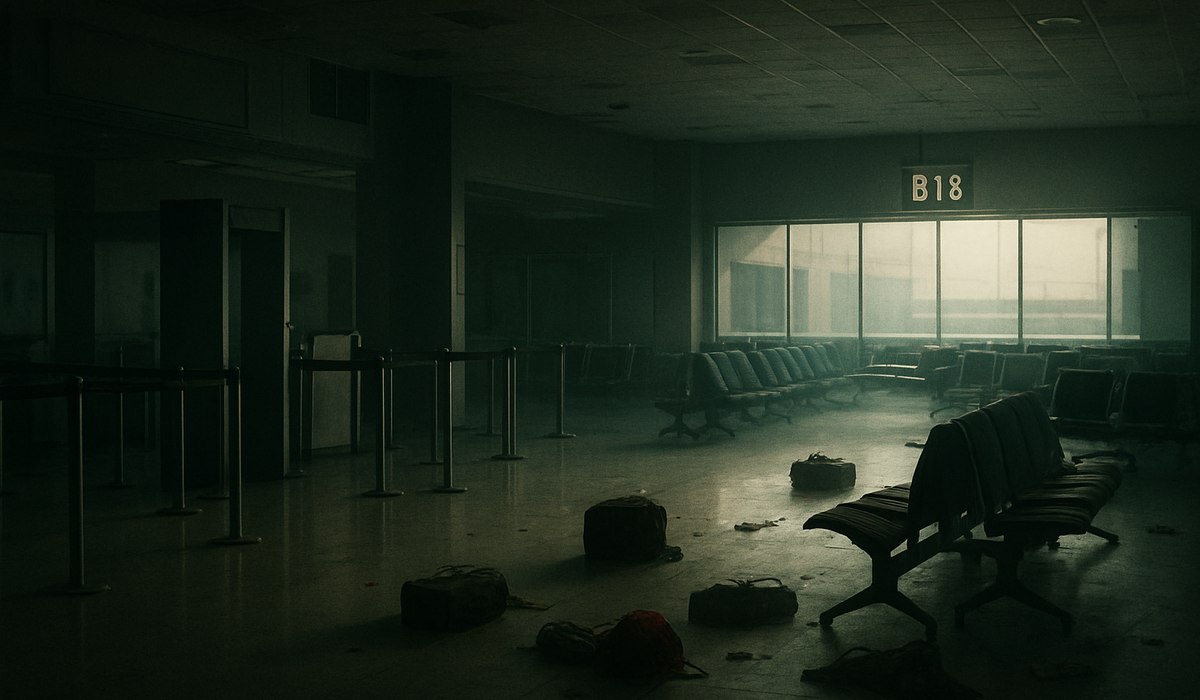
Image generated by AI
Ryanair Flight Departs Empty: 192 Passengers Denied Boarding at French Airport
On April 14, 2026, a Ryanair flight leaves Vatry Airport in eastern France entirely empty of passengers after police prevented 192 ticketed travelers from boarding. The aircraft, scheduled to operate a service to Marrakech, Morocco, departed with only crew on board following disputed documentation checks. The empty departure sparked immediate outrage among stranded passengers and triggered wider scrutiny of border enforcement practices across Europe's secondary airports.
Empty Departure from Vatry Sparks Outrage and Questions About Border Procedures
The incident unfolded during afternoon boarding at Vatry Airport, located in France's Marne department. Airport police intervened during the passenger check-in process, citing documentation and identity concerns. Rather than allow individual passengers to resolve their paperwork issues, authorities barred the entire group from boarding the aircraft.
When a Ryanair flight leaves under these circumstances, the operational and human consequences ripple quickly through the airport system. The decision to proceed with departure meant 192 ticketed passengers remained stranded overnight at a regional airport with limited accommodation options and reduced customer service infrastructure. Media accounts describe families attempting to contact Ryanair customer service while navigating the rural location surrounding Vatry Airport, which operates primarily as a cargo and charter hub.
The empty departure raised fundamental questions about proportionality in border enforcement. Aviation analysts note that collective boarding denials affecting entire flight manifests remain uncommon, and the decision to fly an aircraft to its destination without revenue passengers contradicts typical airline operational logic. This action underscores the tension between security protocols and commercial viability in European aviation.
Border Security vs. Passenger Rights: The Documentation Dispute Explained
French and international media coverage indicates the conflict centered on identity documentation and travel eligibility. Police at Vatry raised concerns about the immigration status of certain passengers on the manifest. However, reporting suggests authorities extended the denial to all 192 passengers rather than addressing individual cases selectively.
This blanket approach has drawn criticism from travel rights advocates and consumer protection specialists. Under European Union regulations, airlines operating flights from EU airports typically must provide care, accommodation, and compensation when passengers experience denial of boarding, except in cases of extraordinary circumstances beyond the airline's control.
The Vatry case presents a novel legal scenario: Does police-initiated boarding denial constitute an extraordinary circumstance that exempts carriers from passenger compensation obligations? The US Department of Transportation and comparable European agencies maintain detailed guidance on passenger rights during operational disruptions, though border enforcement situations remain ambiguous in their application.
Observers have noted similar tensions at other French airports, particularly on routes crossing external EU borders where identity and visa controls receive heightened attention. The Vatry incident illustrates how these security measures, while intended to ensure regulatory compliance, can create substantial passenger hardship when implemented inflexibly.
Impact on Stranded Passengers and Regional Airport Limitations
The 192 passengers faced a night at Vatry Airport with minimal support infrastructure. Unlike major international hubs such as Paris Charles de Gaulle or Lyon, Vatry offers limited hotel partnerships, ground transportation, and rebooking options. Passengers reported lengthy delays contacting airline customer service and difficulty securing alternative travel to Morocco.
Some travelers eventually received rebooking on later services, while others waited days for viable connections. The geographic isolation of Vatry Airport compounded the disruption—it sits approximately 140 kilometers (87 miles) northeast of Paris, making ground transport expensive and time-consuming for stranded passengers.
This vulnerability at secondary airports reflects structural challenges in Europe's aviation network. Low-cost carriers like Ryanair deliberately utilize regional facilities to reduce operating costs, but these airports lack redundancy in flight scheduling and ground services. When disruptions occur, passengers at major hubs typically access same-day alternatives; those at Vatry faced multi-day ordeals.
Ryanair stated that police checks and border control decisions remain outside the airline's direct operational authority. The carrier emphasized it honored crew duty-time restrictions and airport slot availability, which limited how long the aircraft could remain grounded. However, passengers questioned why the airline proceeded with an empty departure rather than waiting for documentation issues to be resolved or maintaining the flight overnight.
The Low-Cost Model Under Pressure: Efficiency vs. Flexibility Trade-offs
The April 2026 Vatry incident has refocused attention on structural vulnerabilities in the budget airline operating model. Low-cost carriers achieve competitive fares through tight scheduling, minimal aircraft downtime, and lean staffing. These efficiencies work smoothly during normal operations but leave little room for absorbing unexpected disruptions.
When a Ryanair flight leaves on schedule despite passenger complications, the airline prioritizes maintaining its network reliability and meeting subsequent rotation requirements. Crew members face maximum duty-time restrictions, and aircraft slots at subsequent airports cannot be indefinitely delayed. These constraints, while ensuring crew safety and airport efficiency, sometimes create situations where the airline's operational obligations conflict with passenger accommodation.
Aviation analysts observe that secondary airports intensify this tension. Vatry operates at modest passenger volumes, meaning replacement aircraft or additional crew cannot be quickly repositioned to handle stranded passengers. The incident raises questions about whether budget airline business models remain viable at smaller regional airports or whether additional ground support infrastructure investment is necessary.
Ryanair's operational response aligned with standard industry practice: offering rebooking on later services and applying standard compensation procedures. However, the empty departure decision raised eyebrows across the aviation industry, suggesting that security situations at border-adjacent airports may require more nuanced operational responses than standard crew duty-time and slot-availability calculations provide.
| Incident Detail | Information |
|---|---|
| Date of Incident | April 14, 2026 |
| Airport | Vatry Airport, Marne, France |
| Airline | Ryanair |
| Route | Vatry to Marrakech, Morocco |
| Passengers Denied Boarding | 192 ticketed travelers |
| Aircraft Departure Status | Departed with crew only, no passengers |
| Reason for Denial | Police documentation and identity checks |
| Support at Vatry | Limited accommodation and rebooking options |
| Regional Context | Secondary airport with minimal backup infrastructure |
What This Means for Travelers: Protecting Yourself at European Airports
The Vatry incident reveals critical gaps in passenger protections during border enforcement situations. Travelers planning European routes, especially through secondary airports or crossing EU external borders, should take deliberate precautions:
-
Verify all documentation weeks in advance. Passports, visas, travel permits, and health documents should be reviewed by a legal advisor or consulate before your flight date to prevent last-minute discoveries of eligibility issues.
-
Arrive at secondary airports with substantial buffer time. Regional facilities handle unexpected security checks less efficiently than major hubs. Allow at least three hours before international departure from airports like Vatry.
-
Photograph your boarding pass and booking confirmation. Digital records establish your ticketed status and support compensation claims if denied boarding occurs.
-
Know your EU261 compensation rights. Under European Regulation 261/2004, denied boarding typically entitles passengers to €250–€600 compensation, except in extraordinary circumstance cases (though border enforcement classifications remain legally uncertain).
-
Request written denial of boarding documentation. If police or airline staff prevent boarding, ask for a written statement explaining the reason, duration, and authorization. This documentation supports future claims.
-
Contact the national aviation authority. File complaints with the FAA if you're a US citizen, or equivalent European Civil Aviation authorities, which can investigate systemic issues at airports.
-
Document all expenses. Keep receipts for accommodations, meals, ground transportation, and phone calls. These costs typically qualify for reimbursement under
Disclaimer
This article is for informational and educational purposes only. It does not constitute legal, financial, or professional advice. While we strive to provide accurate and up-to-date information, travel policies, regulations, and conditions change rapidly. Always verify information with official sources before making travel decisions. Nomad Lawyer makes no representations about the accuracy, reliability, completeness, or suitability of the information provided. Readers should consult qualified professionals for advice specific to their circumstances. The views expressed in this article are those of the author and do not necessarily reflect the views of Nomad Lawyer.
Raushan Kumar
Founder & Lead Developer
Full-stack developer with 11+ years of experience and a passionate traveller. Raushan built Nomad Lawyer from the ground up with a vision to create the best travel and law experience on the web.
Learn more about our team →