
Ryanair and easyJet Seat Hacks: How to Secure Extra Legroom on Boeing 737 and Airbus A321neo in 2026
Strategic seat selection on Ryanair and easyJet flights can unlock hidden legroom on specific aircraft models, allowing passengers to avoid premium surcharges while improving cabin comfort.

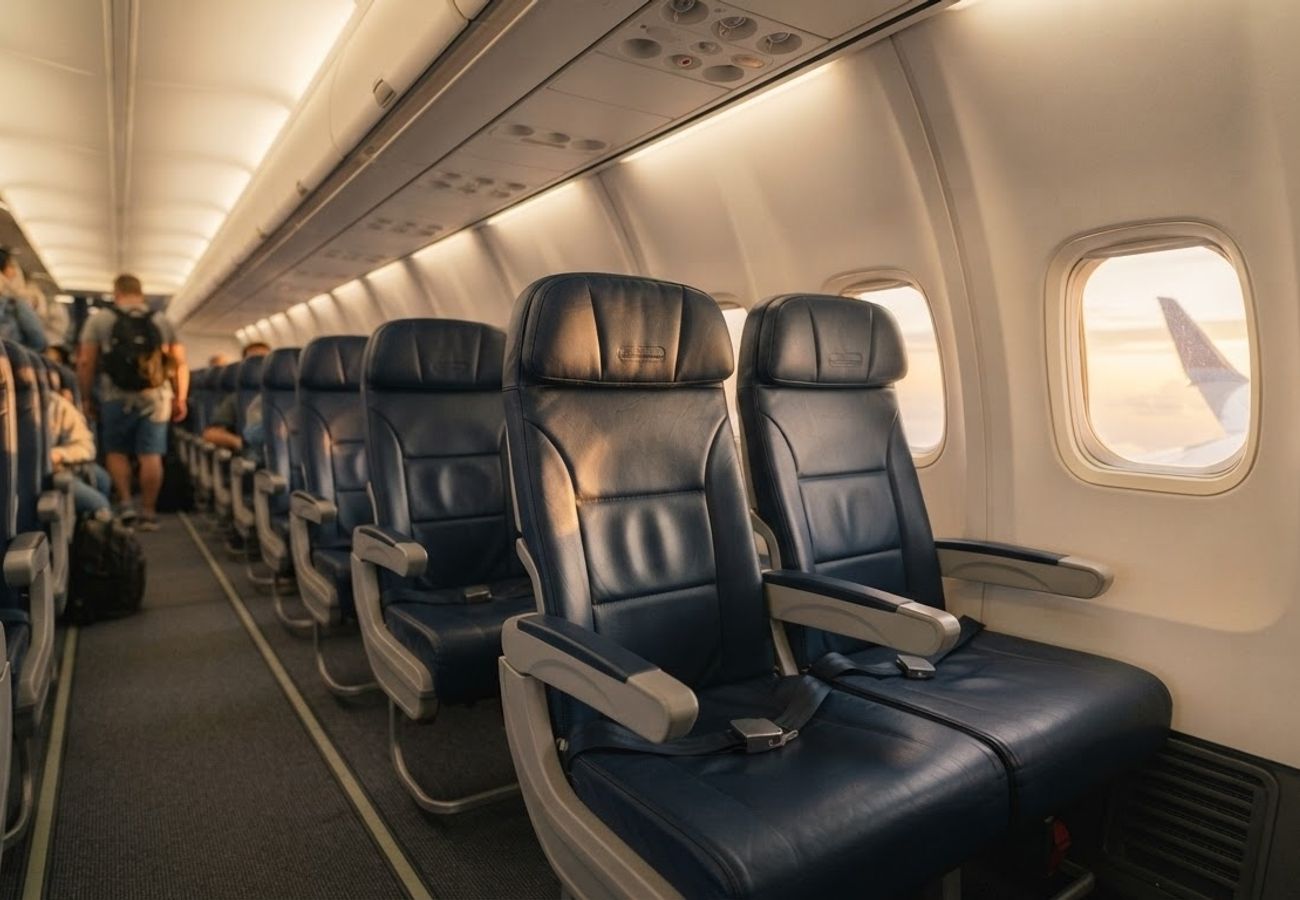
Image generated by AI
Strategic seat selection on Ryanair and easyJet can provide additional legroom without the cost of premium upgrades, provided passengers identify the specific aircraft model before booking.
Low-cost carriers (LCCs) dominate the European short-haul market by maximizing cabin density. While this efficiency keeps ticket prices low, it often results in restricted personal space. However, analysis of cabin configurations reveals that subtle differences in seat placement can offer a comfort advantage to savvy travelers.
The ability to secure more room depends entirely on the aircraft type. Because LCCs operate mixed fleets with varying interior layouts, a "best seat" on one flight may be standard on another.
Market Scale and Passenger Volume
The demand for budget aviation remains immense, with millions relying on these networks for city breaks and regional transit.
- Ryanair: Currently Europe's largest airline by passenger volume, transporting approximately 200 million passengers annually across 3,800 daily flights.
- easyJet: Reported 93.4 million passengers in its 2025 financial year, marking a 4.2% increase over the previous year.
The Legroom Advantage: Specific Seat Recommendations
For passengers willing to pay for advance seat selection, targeting the right-hand side of the cabin often yields better value.
Ryanair (Boeing 737)
On the Boeing 737 aircraft frequently used by Ryanair, the right side of the plane often provides superior usable space.
- Target Seats: D, E, or F.
- Target Rows: Between rows 3 and 15.
easyJet (Airbus A321neo)
The advantage on easyJet flights is more aircraft-specific, particularly on the A321neo model.
- Target Seats: D, E, or F.
- Target Rows: Between rows 3 and 13.
- The Gain: These positions can offer approximately one additional inch of legroom compared to seats in rows 3 to 17 on the left-hand side of the same aircraft.
Technical Verification Process
To implement these hacks, passengers must move beyond the airline's basic booking interface. Our analysis suggests a three-step verification process:
- Identify the Aircraft: Use Google Flights to search for the specific route and date. The platform frequently lists the expected aircraft model.
- Consult Cabin Maps: Use third-party resources like AeroLopa to view precise cabin diagrams and seat pitches.
- Confirm Near Departure: Aircraft assignments are subject to change. Passengers should re-verify their seat position via the airline app closer to the flight date.
Optimized Seating Summary
| Airline | Aircraft Model | Recommended Seats | Recommended Rows | Benefit |
|---|---|---|---|---|
| Ryanair | Boeing 737 | D, E, F | 3 – 15 | Increased usable legroom |
| easyJet | Airbus A321neo | D, E, F | 3 – 13 | ~1 additional inch vs. left side |
Why This Matters
From a logistical perspective, this data is vital because LCCs have shifted toward a "de-bundled" pricing model. In this environment, the "standard" seat is designed for the average passenger, often leaving taller individuals or long-haul transit passengers in significant discomfort.
For the traveler, the real impact is the ability to bypass the "premium" price tier. By targeting specific rows (3-15 on Ryanair or 3-13 on easyJet), passengers can achieve a marginal but noticeable increase in comfort for the same price as a standard seat. In a high-density cabin, a single inch of pitch can be the difference between a tolerable flight and a cramped experience.
Industry Outlook
As budget airlines continue to refresh their fleets with newer models like the A321neo, cabin configurations will continue to evolve. We expect airlines to further monetize "comfort" through dynamic pricing, making independent research into aircraft layouts more essential. Passengers who rely on automated seat assignments will likely continue to experience the lowest levels of comfort, while those utilizing external mapping tools will maintain a competitive advantage in passenger experience.
Small adjustments in seat selection are the most effective way to optimize the budget travel experience.
Related Travel Guides
Disclaimer
This article is for informational and educational purposes only. It does not constitute legal, financial, or professional advice. While we strive to provide accurate and up-to-date information, travel policies, regulations, and conditions change rapidly. Always verify information with official sources before making travel decisions. Nomad Lawyer makes no representations about the accuracy, reliability, completeness, or suitability of the information provided. Readers should consult qualified professionals for advice specific to their circumstances. The views expressed in this article are those of the author and do not necessarily reflect the views of Nomad Lawyer.
Preeti Gunjan
Contributor & Community Manager
A passionate traveller and community builder. Preeti helps grow the Nomad Lawyer community, fostering engagement and bringing the reader experience to life.
Learn more about our team →