
Alaska Airlines Considers Boeing 737s for Hawaiian Interisland Routes as Fleet Modernization Accelerates
Breaking airline news and aviation industry updates for 2026.

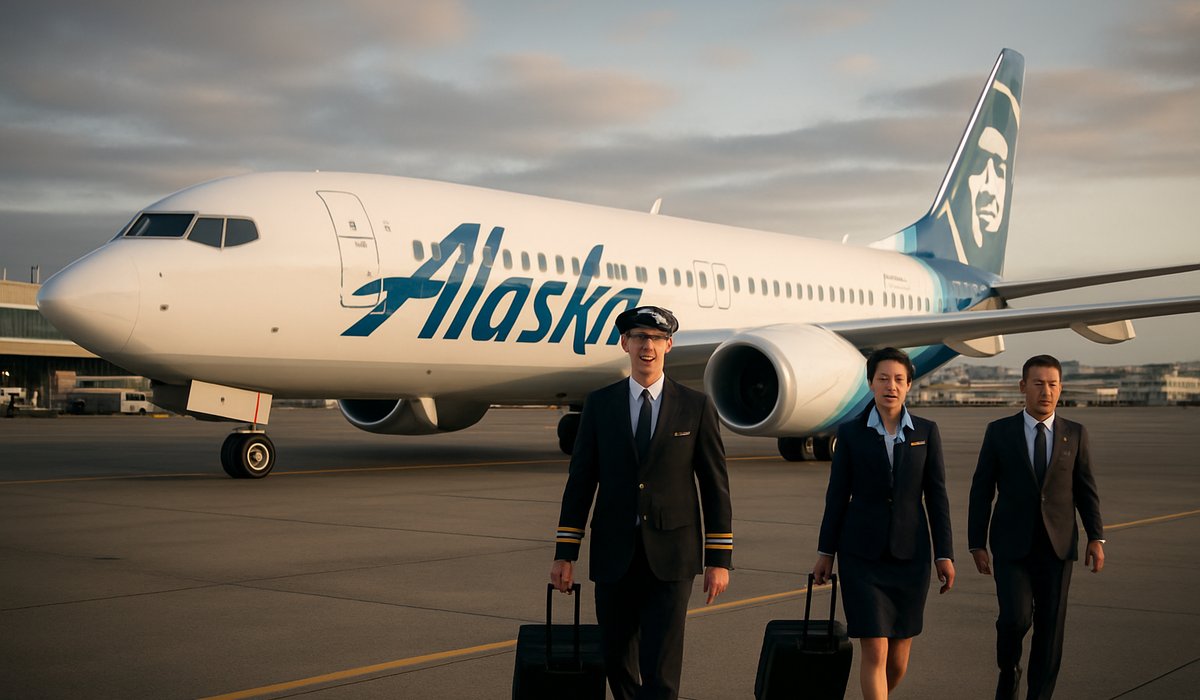
Image generated by AI
Alaska Airlines Considers Boeing 737s for Hawaiian Interisland Routes as Fleet Modernization Accelerates
After acquisition of Hawaiian Airlines, parent company Alaska Air Group explores aircraft strategy to phase out aging 717 fleet
Modernization Push Reshapes Pacific Aviation Strategy
Alaska Air Group is moving toward a significant operational restructuring for its Hawaiian Airlines subsidiary, with Boeing 737-800 aircraft emerging as the frontrunner to replace the carrier's aging fleet of 717 narrowbody jets serving interisland routes across Hawaii.
The strategic pivot was confirmed during discussions at the International Air Transport Association's Annual General Meeting in Rio de Janeiro, where Alaska Air Group's Chief Financial Officer and President Shane Tackett outlined the airline's equipment preferences. According to Tackett, "the default at this point will be 737s," signaling that the parent company views its existing 737-800 inventory as the most pragmatic solution for transitioning Hawaiian Airlines away from its increasingly dated 717 operations.
Why the 717s Need Replacing
Hawaiian Airlines' Boeing 717 fleet has served the carrier's interisland network for years, but aging aircraft present mounting maintenance costs, fuel efficiency challenges, and reliability concerns. The 717s, while still operational, represent legacy equipment that strains airline economics in an era of rising jet fuel prices and heightened passenger expectations for modern comfort standards.
By repositioning Alaska's 737-800 aircraft—proven workhorses across Alaska Airlines' network—Hawaiian could achieve meaningful operational synergies while standardizing its fleet composition across the parent company's combined operations.
Industry Context: Fleet Consolidation Amid Airline Mergers
This development reflects broader patterns in the aviation industry following high-profile consolidations. When larger carriers absorb regional or niche operators, equipment strategy becomes a critical lever for reducing operational complexity, training costs, and maintenance overhead. The 737 family remains the world's most widely operated commercial jetliner, giving airlines substantial leverage in securing parts, scheduling maintenance, and managing pilot training requirements.
Alaska Air Group's decision underscores how post-acquisition integration extends beyond branding and route planning into fundamental aircraft utilization decisions that ripple across the entire operation.
What Comes Next
While no formal announcement has been made regarding specific timelines or aircraft quantities, Tackett's comments suggest this remains an active planning initiative. The move would represent a watershed moment for Hawaiian Airlines' operational independence, marking another layer of integration under Alaska Air Group's ownership.
Frequently Asked Questions
What aircraft currently operates Hawaiian Airlines' interisland flights? The Boeing 717, a narrow-body jet that has served Hawaiian's inter-island network but is approaching the end of its economical operational lifespan due to aging and rising maintenance costs.
Why would Alaska Airlines use 737s instead of ordering new aircraft? Deploying existing 737-800s from Alaska Airlines' fleet reduces capital expenditure, accelerates modernization, and creates operational efficiencies through standardized maintenance and pilot training across the combined airline group.
How does aging aircraft affect airline costs and passenger fees? Older aircraft require higher maintenance spending, consume more jet fuel per seat-mile, and generate more downtime—costs that airlines often pass to passengers through baggage charges, fuel surcharges, and higher base fares.
What's the timeline for replacing Hawaiian's 717 fleet? No specific timeline has been announced, though the discussions indicate this is an active strategic initiative under evaluation by Alaska Air Group's leadership.
Could this decision impact Hawaiian Airlines' route network? Potentially. The 737-800 has different payload and range characteristics than the 717, which could influence which routes receive which aircraft and how frequently they operate.
Related Travel Guides
External Resources
Disclaimer
This article is for informational and educational purposes only. It does not constitute legal, financial, or professional advice. While we strive to provide accurate and up-to-date information, travel policies, regulations, and conditions change rapidly. Always verify information with official sources before making travel decisions. Nomad Lawyer makes no representations about the accuracy, reliability, completeness, or suitability of the information provided. Readers should consult qualified professionals for advice specific to their circumstances. The views expressed in this article are those of the author and do not necessarily reflect the views of Nomad Lawyer.
Preeti Gunjan
Contributor & Community Manager
A passionate traveller and community builder. Preeti helps grow the Nomad Lawyer community, fostering engagement and bringing the reader experience to life.
Learn more about our team →