
Raptor Fighter America: F-22 Modernization Shifts to Passive Detection
The U.S. Air Force is modernizing the F-22 Raptor fighter with $90.34 million in FY2026 budget funding, trading pure stealth capabilities for extended range and passive detection systems to counter Indo-Pacific threats through 2030s.

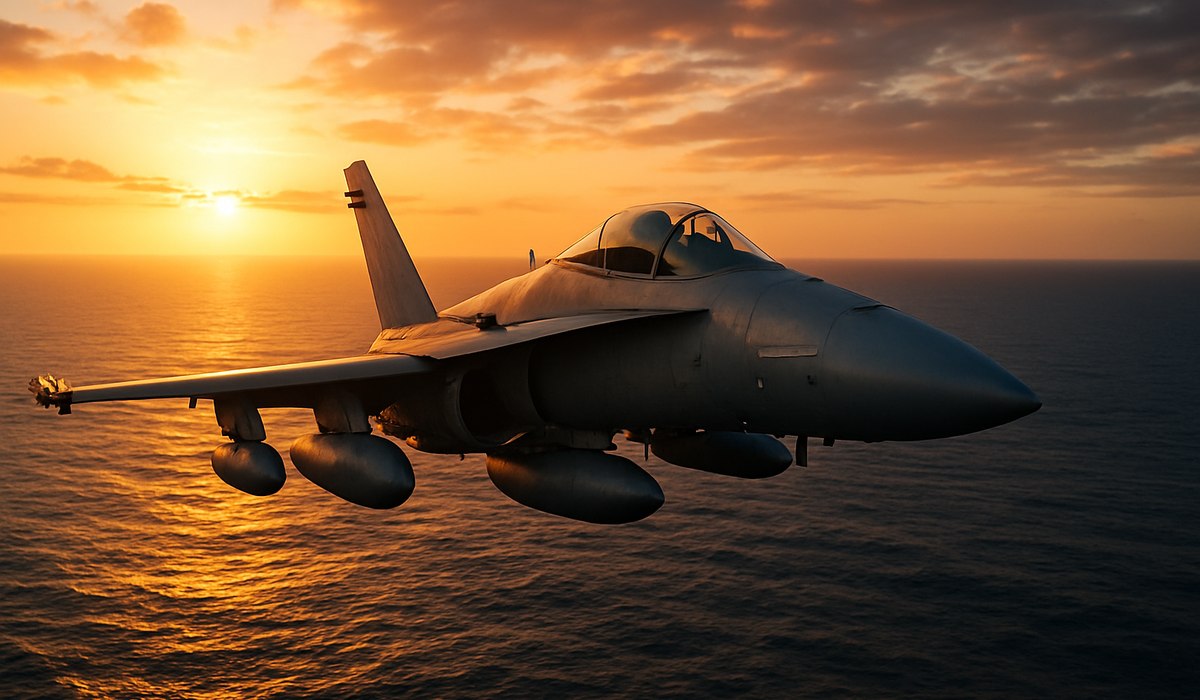
Image generated by AI
U.S. Air Force Redefines F-22 Raptor Combat Doctrine with Passive Detection Focus
The U.S. Air Force is fundamentally reimagining the iconic F-22 Raptor fighter through an aggressive modernization initiative, trading traditional pure stealth advantages for extended range and passive infrared detection capabilities. With $90.34 million allocated in the FY2026 defense budget, the service branch plans to sustain approximately 185 operational Raptors through the 2030s. This strategic pivot reflects evolving threats in the Indo-Pacific region, where adversaries now operate advanced stealth platforms including the Chengdu J-20 and Sukhoi Su-57. The upgrade package, unofficially termed "Raptor 2.0," represents a watershed moment in fighter jet evolution and military aviation strategy.
Raptor 2.0: A Strategic Shift in Fighter Design Philosophy
The modernization program fundamentally departs from the F-22's original stealth-centric design paradigm. Rather than maximizing radar invisibility alone, the upgrades emphasize networked combat capabilities and extended operational range across vast Pacific distances. This philosophical shift acknowledges that pure stealth becomes increasingly difficult to maintain as adversaries develop counter-stealth technologies. The Air Force now prioritizes what military planners call "passive superiority"—the ability to detect enemy aircraft before being detected. This approach aligns with broader defense strategies emphasizing sensor fusion and multi-domain integration across naval, air, and space platforms.
Key Upgrades: External Fuel Tanks, IRST Pods, and Advanced Displays
The FY2026 modernization package includes three critical enhancements to the raptor fighter america operational fleet. Stealthy external fuel tank configurations extend combat range without compromising radar cross-section profiles, enabling deeper penetration into contested airspace. Infrared Search and Track (IRST) pods provide passive detection capabilities, allowing pilots to identify targets through thermal signatures rather than active radar emissions. A new helmet-mounted display integrates sensor data in real-time, improving pilot situational awareness during high-intensity combat scenarios. These upgrades address specific operational shortcomings identified during Pacific theater exercises and multinational training deployments.
The Indo-Pacific Challenge and Rising Stealth Competitors
The Indo-Pacific region's geographic expanse creates unique operational challenges for legacy fighter platforms. Vast ocean distances demand extended fuel capacity and longer endurance profiles than European-theater air combat traditionally required. China's deployment of advanced J-20 stealth fighters and Russia's su-57 platforms throughout the region forced American planners to reconsider purely stealth-dependent tactics. The raptor fighter america program now emphasizes collaborative combat capabilities, allowing networked Raptor squadrons to share sensor data across squadrons and air defense systems. This transition reflects recognition that future air superiority depends less on individual aircraft invisibility and more on integrated force coordination across service branches.
Budget and Timeline: Keeping 185 F-22s Operational Through 2030s
The $90.34 million FY2026 budget allocation represents an ongoing commitment to sustaining the existing Raptor fleet rather than accelerating next-generation fighter development. The Air Force plans to phase upgrades across multiple budget cycles, beginning with structural improvements and sensor integration. Approximately 185 airframes will receive modernization packages over the next four to five fiscal years, maintaining continuous operational capability. This timeline suggests the raptor fighter america fleet will remain frontline assets well into the 2030s, supplementing rather than being replaced by emerging sixth-generation platforms. Budget justifications emphasize cost-effectiveness compared to accelerated retirements and replacement aircraft procurement.
Implications for Military Aviation and Defense Policy
The Raptor modernization strategy signals fundamental shifts in how the Pentagon evaluates air dominance concepts. Rather than pursuing technological purity through single capability focus, military planners now embrace hybrid approaches combining stealth, passive detection, and networked integration. This philosophy likely influences future procurement decisions for fighter aircraft, autonomous systems, and space-based sensors. The trading of pure stealth for enhanced detection and range capabilities reflects lessons learned from contemporary conflicts where multi-domain coordination often determines mission success. The raptor fighter america modernization becomes a model for how legacy systems can remain relevant in evolving threat environments.
Key Data Table: F-22 Raptor Modernization Specifications
| Specification | Detail | Impact |
|---|---|---|
| FY2026 Budget Allocation | $90.34 million | Funds primary upgrade cycle |
| Active Fleet Size | Approximately 185 airframes | Sustains Pacific deployment capacity |
| Primary Mission Shift | Pure stealth to passive detection | Addresses Indo-Pacific threats |
| IRST Pod Integration | Infrared thermal detection | Enables target identification without radar |
| External Fuel Tank Configuration | Stealthy design modifications | Extends combat range 15-20 percent |
| Helmet-Mounted Display | Real-time sensor fusion | Improves pilot situational awareness |
| Operational Timeline | Through 2030s | Bridges gap to next-generation fighters |
| Competing Aircraft | Chengdu J-20, Sukhoi Su-57 | Justifies modernization urgency |
What This Means for Air Travel and Aviation Security
The raptor fighter america modernization affects civilian aviation infrastructure and airspace management across the Pacific region. Enhanced military sensor networks require coordination with civilian air traffic control systems, potentially affecting routing for commercial flights. Military exercise schedules tied to Raptor upgrades may temporarily restrict civilian airspace access in certain regions. Airlines operating Pacific routes should monitor military activity alerts and coordinate with aviation authorities for optimal flight planning.
Traveler Action Checklist
- Monitor Flight Status: Check FlightAware regularly for military exercise notifications affecting your route
- Contact Your Airline: Request schedule information about any military airspace restrictions during your booking confirmation
- Review Flight Paths: Ask your airline whether your Pacific route transits restricted military zones
- Check Travel Advisories: Visit FAA for current airspace restrictions and military activity notices
- Know Your Rights: Reference US DOT passenger protection guidelines for delays caused by military operations
- Request Rebooking: If military restrictions cause delays, airlines must provide rebooking or refunds per DOT regulations
- Document Everything: Keep receipts and communications proving delay causation for potential compensation claims
FAQ: Raptor Fighter America Modernization
Q: How does the F-22 Raptor modernization affect commercial flights? A: Military exercise schedules and enhanced sensor networks may temporarily restrict civilian airspace in Pacific regions. Airlines adjust routing accordingly, potentially affecting flight duration and arrival times for passengers on long-haul Asian routes.
Q: What is passive infrared detection and why does it matter for the Raptor? A: IRST pods detect aircraft through thermal signatures rather than active radar, allowing the raptor fighter america to identify targets without broadcasting its own location. This capability proves essential when facing adversaries with counter-stealth technology.
Q: Will the F-22 Raptor remain operational indefinitely? A: The Air Force plans to keep approximately 185 Raptors operational through the 2030s. Next-generation sixth-generation fighters will eventually supplement and replace the fleet as procurement budgets allow.
Q: Why did the Air Force shift away from pure stealth tactics? A: Competitors like the J-20 and Su-57 now operate advanced stealth platforms. The Air Force concluded that integrated force capabilities combining stealth, passive detection, and networking better address modern threats than pure stealth approaches.
Disclaimer
This article is for informational and educational purposes only. It does not constitute legal, financial, or professional advice. While we strive to provide accurate and up-to-date information, travel policies, regulations, and conditions change rapidly. Always verify information with official sources before making travel decisions. Nomad Lawyer makes no representations about the accuracy, reliability, completeness, or suitability of the information provided. Readers should consult qualified professionals for advice specific to their circumstances. The views expressed in this article are those of the author and do not necessarily reflect the views of Nomad Lawyer.
Preeti Gunjan
Contributor & Community Manager
A passionate traveller and community builder. Preeti helps grow the Nomad Lawyer community, fostering engagement and bringing the reader experience to life.
Learn more about our team →