
Railway Direct Platform Entry Restricted for Waitlisted Passengers in India
India introduces strict railway platform access rules in March 2026, barring waitlisted ticket holders from direct entry—crucial intelligence for international travelers.

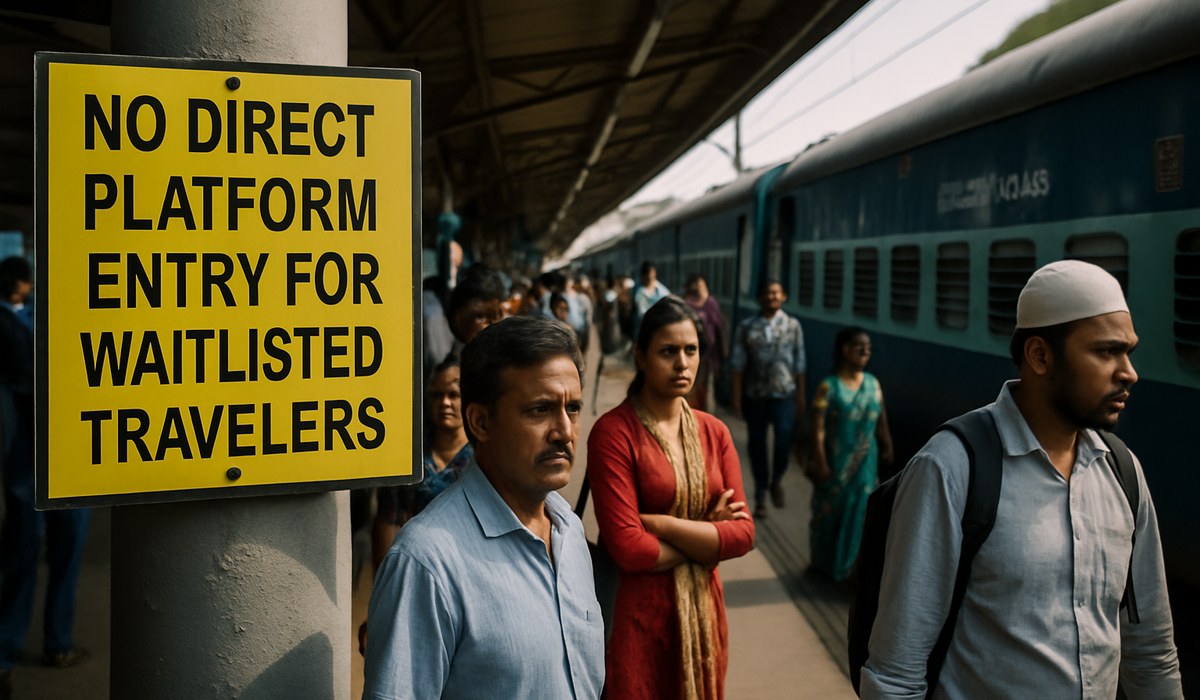
Image generated by AI
Quick Summary • Indian Railways now prohibits waitlisted passengers from entering platforms directly • International travelers face unprecedented confusion when booking popular routes to tourist destinations • Confirmed reservation status becomes mandatory for platform access across the nationwide network • Policy impacts millions navigating India's 67,000-kilometer railway system in 2026
Your confirmed train ticket to Agra might not guarantee you entry to the platform—a surprising reality now facing travelers exploring India by rail. Indian Railways has implemented stringent platform access protocols that fundamentally change how passengers interact with the nation's most vital transportation network. Similar to how Japan recently introduced its electronic travel authorization systems to streamline visitor processing, India's railway authorities are overhauling passenger access procedures, though with notably different implications for journey planning.
The new regulations bar anyone holding a waitlisted ticket from directly accessing railway platforms. This represents a significant departure from previous practices where passengers could enter stations and await potential seat confirmations. Understanding these official travel requirements alongside traditional visa documentation has become essential for anyone planning multi-city explorations across the subcontinent.
For international visitors accustomed to European or Japanese rail systems where ticket purchases guarantee platform access, India's confirmation-dependent entry protocol introduces an unexpected variable. The policy affects stations nationwide, from Mumbai's bustling Chhatrapati Shivaji Terminus to smaller regional junctions serving heritage sites.
What the New Railway Platform Protocol Means for Travelers
Indian Railways operates one of the world's largest networks, transporting over 23 million passengers daily across 7,000 stations. Under the March 2026 regulations, only passengers holding confirmed reservations receive authorization to enter platform areas. Those with Reservation Against Cancellation (RAC) or waitlist status must remain outside station premises until their tickets achieve confirmed status.
Railway Board officials implemented this protocol to address overcrowding and enhance security screening efficiency. Platform congestion at major hubs like New Delhi and Howrah had reached critical levels, with thousands of unconfirmed ticket holders occupying limited space. The new system creates clearer passenger flow patterns and improves safety monitoring capabilities.
The regulation particularly impacts peak travel seasons when trains to Rajasthan, Kerala, and Goa experience booking surges. During festival periods, waitlist numbers on popular routes routinely exceed 200 passengers per train. These travelers now face alternative arrangements rather than traditional station waiting.
Station managers report 30-40% reductions in platform crowding during initial implementation weeks. However, this efficiency gain translates directly into inconvenience for those navigating India's often unpredictable reservation system. Unlike transportation shutdowns that halt operations entirely, this protocol maintains service while restricting who can access departure points.
How Waitlist Status Affects Your India Itinerary
The waitlist system operates on a first-come, first-served basis as passengers cancel confirmed bookings. Chart preparation occurs four hours before departure, revealing final seat allocations. Previously, waitlisted passengers could enter platforms and physically board if confirmations materialized. Current protocols eliminate this possibility entirely.
For international visitors building tight itineraries around UNESCO World Heritage sites or tiger reserves, this uncertainty compounds planning challenges. A waitlisted ticket between Delhi and Jaipur no longer represents a viable backup option. Hotels booked in advance, pre-arranged tours, and connecting transportation all become vulnerable to disruption.
Understanding current India travel advisories now extends beyond health and safety considerations to include domestic transportation protocols. Many government sources have not yet updated guidance to reflect these railway access changes, creating information gaps for arriving travelers.
Travel agents specializing in India tourism report increased demand for Tatkal tickets—emergency quotas released 24 hours before departure at premium prices. These guaranteed-confirmation tickets command 1.5-2x standard fares but eliminate waitlist uncertainty. For travelers on fixed schedules visiting the Taj Mahal or attending specific events, the premium represents necessary insurance.
The Railway Catering and Tourism Corporation estimates that 12-15% of all bookings on major tourist routes carry waitlist status during high season. Under previous protocols, approximately 60% of these eventually confirmed before departure. Now those same passengers face complete exclusion from their intended journeys unless alternative arrangements emerge.
Practical Alternatives When Your Train Ticket Isn't Confirmed
International travelers encountering waitlist situations possess several mitigation strategies. Tatkal emergency reservations open precisely 24 hours before departure through the IRCTC website and mobile applications. Success requires precise timing and fast internet connectivity, as premium seats often disappear within minutes.
Dynamic pricing on private AC buses connecting major cities has become more competitive, with operators like IntrCity SmartBus offering comfort levels approaching railway standards. Delhi-Jaipur routes run every 30 minutes with guaranteed seating. While journey times extend 1-2 hours beyond trains, confirmed bookings eliminate platform access uncertainty.
Domestic flight connectivity between tourist destinations has expanded significantly since 2024. Regional carriers now service secondary airports near Udaipur, Varanasi, and Madurai with competitive pricing during advance booking windows. Budget airlines frequently match or undercut Tatkal railway premiums when booked 5-7 days ahead.
Flexible itinerary design builds buffer days between destinations, allowing travelers to attempt multiple departure dates if initial bookings carry waitlist status. This approach requires additional accommodation nights but preserves trip coherence when railway confirmations prove elusive. Tours operators increasingly recommend 10-12 day minimum durations for multi-city journeys to accommodate transportation variables.
Checking real-time travel restriction tools before finalizing Indian rail bookings helps verify whether specific routes experience chronic overcapacity. Certain corridors like Mumbai-Goa during long weekends consistently show limited seat availability, signaling the need for earlier booking or alternative transportation modes.
What International Visitors Need to Know Before Booking Indian Railways
The confirmation probability depends heavily on booking timing and route popularity. General quota tickets booked 60-90 days before departure show 85% confirmation rates on most routes. This window requires advance planning that conflicts with spontaneous travel styles common among backpackers and gap-year visitors.
Foreign Tourist Quota allocations exist specifically for international passport holders, offering separate seat pools on major routes. These quotas show higher confirmation percentages but require in-person booking at designated railway offices or International Tourist Bureau counters. Online accessibility remains limited despite digitization efforts.
Similar to how disruptions affecting travel routes require backup planning across multiple regions, India's railway protocols now demand contingency arrangements for every segment. Travel insurance policies rarely cover waitlist-related trip disruptions, as these stem from booking choices rather than force majeure events.
Sleeper class tickets experience longer waitlists than AC categories, as budget travelers form the largest passenger segment. Upgrading to 3AC or 2AC tiers significantly improves confirmation odds, with premium charges of ₹800-1,500 ($10-18 USD) per journey providing substantially better booking security.
Station WiFi networks now broadcast real-time platform access eligibility notifications for waitlisted passengers. While helpful for monitoring confirmation status, these alerts cannot grant physical entry under current protocols. Passengers must track bookings from outside station premises, creating practical challenges during inclement weather or late-night departures.
Frequently Asked Questions About India's Railway Access Rules
Can I enter the platform if my waitlist confirms after chart preparation?
No, the protocol requires confirmed status at the time of arrival at the station. Chart preparation occurs four hours before departure, establishing the final platform access list. Late confirmations do not grant retroactive entry authorization.
Do children with waitlisted tickets face the same restrictions?
Yes, the regulation applies universally regardless of passenger age. Families traveling together must ensure all members hold confirmed reservations before approaching platform entry points. Child tickets follow identical confirmation requirements as adult fares.
What happens to my luggage if I cannot enter the platform?
Most major stations maintain cloak room facilities for temporary luggage storage, though accessing these services typically requires valid platform entry tickets. Alternative private storage providers operate near station perimeters, charging ₹50-100 per bag daily.
Can railway direct platform entry rules change with advance notice?
Railway Board maintains authority to modify access protocols with minimal advance communication. Travelers should verify current regulations through official IRCTC channels within 48 hours of departure rather than relying on older information sources.
Are there exceptions for medical emergencies or connecting international flights?
Standard protocols contain no formal exemption categories. Station superintendents possess discretionary authority for extraordinary circumstances, but no guaranteed appeal process exists. Documentation of flight connections or medical needs may support exception requests but carries no assurance of approval.
Related Articles:
Japan Unveils JESTA Electronic Authorization for March 2026
Weekly Travel Outlook: March 2026 Global Disruption Summary
Kuwait International Airport Faces Extended Closure After Drone Strikes
Disclaimer
This article is for informational and educational purposes only. It does not constitute legal, financial, or professional advice. While we strive to provide accurate and up-to-date information, travel policies, regulations, and conditions change rapidly. Always verify information with official sources before making travel decisions. Nomad Lawyer makes no representations about the accuracy, reliability, completeness, or suitability of the information provided. Readers should consult qualified professionals for advice specific to their circumstances. The views expressed in this article are those of the author and do not necessarily reflect the views of Nomad Lawyer.
Raushan Kumar
Founder & Lead Developer
Full-stack developer with 11+ years of experience and a passionate traveller. Raushan built Nomad Lawyer from the ground up with a vision to create the best travel and law experience on the web.
Learn more about our team →