
Travel Kuwait International Airport Shuts Down: Drone Strikes Ground All Flights
Kuwait International Airport closure disrupts thousands of flights across three continents after drone strikes force complete shutdown in March 2026.

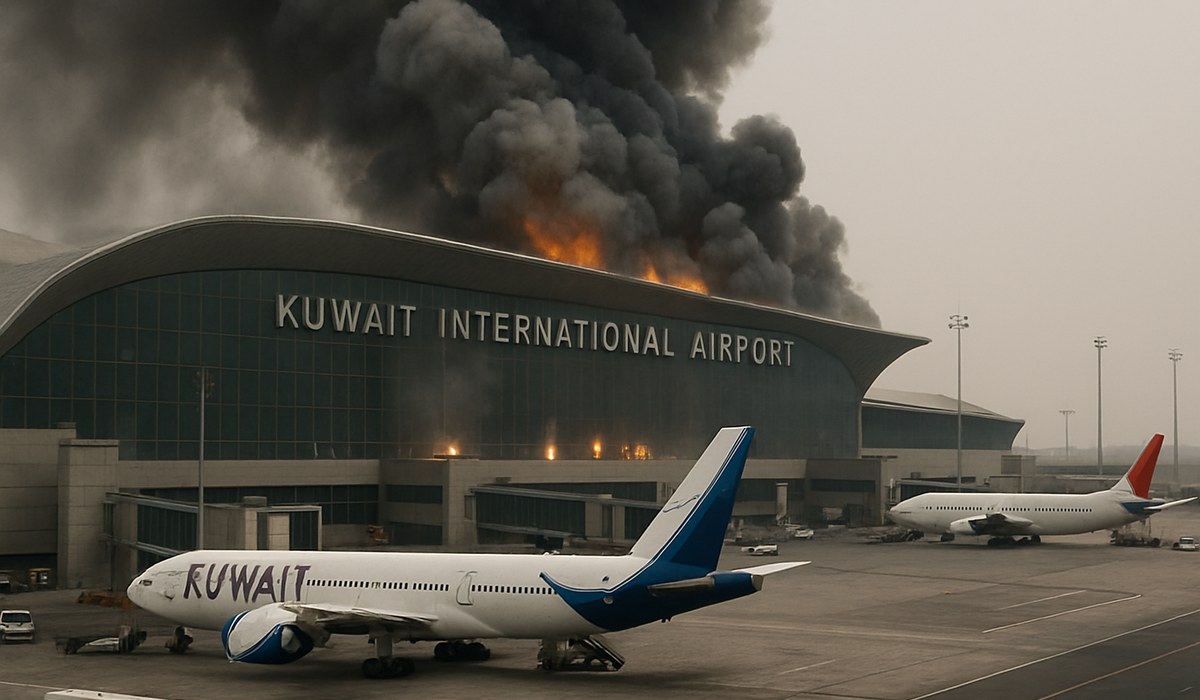
Image generated by AI
**> Quick Summary
- Kuwait International Airport (KWI) suspended all operations on March 28, 2026 following multiple drone incursions
- Approximately 18,000 passengers face cancellations across 127 scheduled departures and arrivals
- Major carriers including Emirates, Qatar Airways, and British Airways have halted Kuwait-bound services
- No confirmed timeline for reopening as authorities conduct security assessments and infrastructure inspections**
Travel Kuwait International operations ground to a halt this morning after airspace authorities ordered an emergency closure of Kuwait's primary aviation gateway. The unprecedented shutdown affects every commercial carrier serving the Gulf nation, stranding business travelers and tourists across three continents.
Kuwait's Directorate General of Civil Aviation (DGCA) issued the closure directive at 04:15 local time following what officials describe as "multiple unauthorized aerial intrusions" near the airport perimeter. The facility, which handles approximately 14 million passengers annually, became the latest aviation casualty in an increasingly volatile regional security environment.
What Happened at Kuwait International Airport
Airport officials confirmed that at least three unmanned aerial vehicles penetrated restricted airspace surrounding the main runway complex during overnight hours. Kuwait's Civil Aviation Authority spokesperson Ahmed Al-Dabbous stated that security protocols mandated an immediate suspension of flight operations until comprehensive sweeps could verify the safety of all terminal buildings, runways, and navigation systems.
The closure represents the first complete shutdown of Kuwait International since the 1990-1991 Gulf War. Local media reports indicate that debris from intercepted drones was discovered approximately 800 meters from Terminal 4, though no structural damage to airport facilities has been confirmed.
Regional tensions have escalated significantly in recent weeks, with military activities increasing across multiple Middle Eastern nations. Aviation security experts note that airports have become particularly vulnerable targets due to their critical infrastructure role and high-profile status. The timing coincides with jet fuel supply chain disruptions that have already strained airline operations throughout Asia and the Gulf region.
FlightRadar24 data shows that airspace over Kuwait City registered zero active commercial flights as of 11:00 GMT, with a 200-nautical-mile radius advisory zone established by regional air traffic control authorities.
Which Airlines and Routes Are Affected
The shutdown impacts every carrier with scheduled Kuwait International service. Major Gulf airlines bore the brunt of immediate cancellations, with Emirates suspending eight daily flights from Dubai, Qatar Airways canceling six Doha rotations, and Etihad Airways grounding four Abu Dhabi connections.
European carriers faced significant disruption to their Gulf networks. British Airways canceled two London Heathrow flights carrying an estimated 520 passengers. Lufthansa suspended Frankfurt service, while Turkish Airlines halted operations from Istanbul. According to FlightAware's live Kuwait airport status, 67 inbound flights were diverted to alternative Gulf airports including Bahrain International and Dubai International.
Asian carriers reported extensive cancellations across Southeast Asian routes. Singapore Airlines rerouted two flights originally scheduled for Kuwait connections. Indian carriers including Air India and IndiGo canceled a combined 11 flights serving the large expatriate workforce between India and Kuwait.
American carriers do not operate direct U.S.-Kuwait routes, but codeshare partnerships mean thousands of passengers booked on connecting itineraries face delays. Delta Air Lines, which partners with Middle East carriers for Kuwait connections, activated rebooking protocols for affected customers.
Cargo operations suffered equally dramatic interruptions. DHL Aviation and FedEx Express suspended freight operations, creating a backlog of time-sensitive shipments including medical supplies and electronics. The cargo disruption compounds existing supply chain pressures documented by international logistics firms.
The shutdown arrives during peak business travel season, when corporate travelers typically book Gulf connections for meetings and conferences. Faena's planned Middle East expansion and similar hospitality projects highlight how the region's business travel sector faces fresh uncertainty.
Your Rights: Rebooking, Refunds, and Compensation Options
Passengers holding tickets for Kuwait-affected flights possess specific rights under international aviation regulations, though compensation eligibility depends heavily on your carrier, departure point, and ticket terms.
European Union regulations provide the strongest passenger protections. EU261 rules mandate that passengers departing from EU airports receive care assistance including meals and hotel accommodation if delays exceed specified thresholds. However, security-related closures typically qualify as "extraordinary circumstances," exempting airlines from mandatory compensation payments while still requiring rebooking or refund options.
Airlines must offer you a choice between full refund or alternative routing at no additional cost. If your journey becomes impossible or no longer serves its purpose due to delays, insist on a full refund including for unused flight segments. Document all communications with your carrier and retain receipts for any out-of-pocket expenses.
U.S. passengers flying on American carriers fall under Department of Transportation rules requiring "prompt refunds" for canceled flights, regardless of cause. The FAA travel advisories page provides updated guidance on Middle East routing and carrier responses for U.S.-ticketed passengers.
Travel insurance policies with "cancel for any reason" coverage may reimburse non-refundable expenses. Standard policies often exclude war, terrorism, and civil unrest, though some carriers offer waivers during documented crises. Review your policy's force majeure clauses and file claims promptly with complete documentation.
IATA's passenger rights guidance provides comprehensive information about international standards, though enforcement varies significantly by jurisdiction. Contact your airline's customer service directly—social media channels often yield faster responses than traditional call centers during mass disruption events.
Credit card travel protections may provide additional coverage. Many premium cards include trip delay insurance that reimburses meals, lodging, and essential purchases after six-hour delays. Check your cardholder agreement or contact your issuer's benefits team.
Alternative Routes and Travel Options for Stranded Passengers
Travelers with urgent Kuwait business or family needs face limited but workable alternatives while the airport remains closed.
Neighboring Gulf airports offer the most practical rerouting options. Bahrain International Airport (BAH), located just 240 kilometers south, maintains regular ground transportation links to Kuwait City via the King Fahd Causeway. The journey requires valid entry permits for Saudi Arabia transit. Current processing times for emergency travel authorizations range from 12 to 48 hours through Saudi consular offices.
Dubai International Airport (DXB) serves as a major regional hub with extensive onward connections. Several bus companies operate daily Dubai-Kuwait City services, though the 840-kilometer journey takes approximately eight hours. Emirates Airlines confirmed it is offering discounted connecting fares through Dubai for stranded Kuwait passengers.
Qatar Airways has opened additional Doha connection slots for passengers originally routed through Kuwait. The airline waived rebooking fees for tickets purchased before the closure announcement. Doha to Kuwait City ground transport requires crossing the Saudi border, involving similar transit documentation as the Bahrain route.
Istanbul emerged as a viable alternative for European passengers. Turkish Airlines operates frequent Istanbul-Kuwait City services when normal operations resume, and the carrier's extensive European network provides numerous origin point options. The airline confirmed it would honor original ticket values for rebooking without change penalties.
Business travelers requiring immediate Kuwait arrival should investigate chartered helicopter services operating from approved landing sites outside restricted zones. Several Kuwait-based executive aviation companies offer emergency transport, though costs typically exceed $5,000 per person.
Some travelers have successfully rerouted through Muscat, Oman (MCT), then arranged private ground transport along the 1,200-kilometer coastal route. This option requires multiple-entry Omani visas and Saudi transit clearance, making it practical only for those with existing Gulf Cooperation Council (GCC) residency permits.
Monitor airline direct communication channels for real-time updates. Carriers typically email ticketed passengers about operational changes, though messages may land in spam folders during high-volume periods.
How to Track Your Flight Status in Real Time
Accurate, up-to-the-minute information becomes essential when airport closures create cascading delays across global networks.
The FlightAware's live Kuwait airport status dashboard provides comprehensive data on every scheduled arrival and departure, including cancellation confirmations, diversion airports, and estimated resumption times. Enter your flight number or route to receive specific status updates and historical delay patterns.
Official airline mobile applications deliver push notifications faster than email systems. Download your carrier's app and enable all notification permissions. Most apps include rebooking tools that let you compare alternative flights and confirm changes without calling customer service.
Kuwait International Airport's official website posts operational status updates, though during crisis events, airlines often receive information before public announcements appear online. Cross-reference multiple sources when planning time-sensitive decisions.
FlightRadar24 offers visual tracking of global air traffic. While it cannot predict future schedules, watching real-time movements around Kuwait's airspace provides insights into when test flights or cargo operations resume—typically the first indicator that commercial service will follow.
Twitter and social media accounts operated by airlines and airport authorities frequently post updates faster than traditional channels. Follow @DGCAKuwait and your specific carrier's official accounts. Beware of unofficial accounts spreading misinformation during high-stress events.
Google Flights integrates real-time cancellation data and offers automatic alternative flight suggestions. Search your route to see if the tool identifies available seats on other carriers serving your destination through different hubs.
Travel management companies serving corporate clients typically maintain direct airline contacts and receive priority rebooking assistance. Business travelers should contact their company's travel desk before attempting individual rebooking.
Set up alerts through multiple platforms. Redundancy matters when a single communication channel fails during system overload. Email, SMS, and app notifications together ensure you receive critical updates regardless of connectivity issues.
Safety Considerations for Middle East Travel
The Kuwait airport closure highlights broader security dynamics affecting Gulf region travel.
Aviation security analysts note that drone technology has evolved from hobbyist equipment to sophisticated tools capable of disrupting critical infrastructure. Airports worldwide have accelerated anti-drone defenses, but detection and interdiction systems struggle to match rapidly advancing unmanned aerial vehicle capabilities.
The U.S. State Department maintains travel advisories for most Middle Eastern countries. Current guidance for Kuwait cites "increased tensions throughout the region" and recommends U.S. citizens remain vigilant in public spaces, monitor local media, and register with the Smart Traveler Enrollment Program (STEP).
Airline crew safety has emerged as a particular concern. Recent incidents including the Dallas-based American Airlines crew Colombia situation demonstrate how flight personnel face unique vulnerabilities during international operations. Major carriers have enhanced crew security protocols, including restrictions on layover movements and increased coordination with embassy security offices.
Business travelers should review their company's duty-of-care policies. Responsible employers maintain crisis response plans that include emergency extraction capabilities and 24/7 traveler support. Confirm your organization has updated contact information and understands your itinerary before departing.
Travel insurance with medical evacuation coverage becomes especially valuable in regions experiencing security instability. Standard health insurance often excludes coverage in conflict zones, while specialized evacuation policies provide air ambulance services that can cost $100,000 or more if paid out-of-pocket.
Maintain copies of essential documents in multiple formats. Photograph your passport, visas, and travel insurance cards. Store encrypted digital copies in secure cloud storage accessible from any device. Carry printed copies separate from originals.
Register with your embassy or consulate upon arrival in any Middle Eastern destination. Registration enables officials to contact you during emergencies and facilitates evacuation assistance if situations deteriorate. Most countries offer simple online registration requiring only minutes to complete.
FAQ: Kuwait Airport Closure and Traveler Questions
How long will Kuwait International Airport remain closed?
No official reopening date has been announced. Airport authorities stated they are conducting comprehensive security assessments and infrastructure inspections before resuming operations. Industry analysts estimate a minimum 48-72 hour closure, though extended shutdowns remain possible if additional security concerns emerge.
Will airlines provide hotel accommodations for stranded passengers?
Hotel provision depends on where you are stranded and your ticket's terms and conditions. Passengers stuck at their origin airport after outbound flight cancellations typically receive accommodation if delays extend overnight. Travelers already in transit when disruptions occur have stronger claims to carrier-provided lodging. EU regulations mandate care for passengers departing European airports regardless of fault.
Can I claim travel insurance for expenses caused by the closure?
Coverage depends entirely on your policy's specific terms. Standard travel insurance typically excludes claims related to war, civil unrest, and terrorism. However, trip interruption coverage may apply if you purchased comprehensive protection before the incident. Review your policy documents and contact your insurer directly with documentation of your original itinerary and incurred expenses.
Are alternative Gulf airports experiencing delays due to diverted traffic?
Yes. Bahrain International and Dubai International airports reported increased congestion as diverted flights arrived unexpectedly. Average arrival delays at Bahrain reached 90 minutes during peak morning hours. Both airports activated contingency plans to handle additional aircraft, but passengers should expect longer immigration queues and potential ground transportation shortages.
Should I cancel my upcoming Kuwait travel plans?
This depends on your travel dates and flexibility. If you are scheduled to travel within the next 72 hours, contact your airline immediately to discuss rebooking or refund options. For travel planned beyond one week, monitor official announcements from Kuwait's aviation authority and your carrier. Most airlines are waiving change fees for tickets during the disruption period, providing flexibility to adjust plans as situations evolve.
Related Articles:
- China Halts Jet Fuel Exports Creating Global Aviation Crisis
- Faena Unveils Cultural Expansion Across Middle East
- American Airlines Crew Incident Raises Safety Concerns
Disclaimer
This article is for informational and educational purposes only. It does not constitute legal, financial, or professional advice. While we strive to provide accurate and up-to-date information, travel policies, regulations, and conditions change rapidly. Always verify information with official sources before making travel decisions. Nomad Lawyer makes no representations about the accuracy, reliability, completeness, or suitability of the information provided. Readers should consult qualified professionals for advice specific to their circumstances. The views expressed in this article are those of the author and do not necessarily reflect the views of Nomad Lawyer.
Preeti Gunjan
Contributor & Community Manager
A passionate traveller and community builder. Preeti helps grow the Nomad Lawyer community, fostering engagement and bringing the reader experience to life.
Learn more about our team →