
Qantas Introduces A330 Economy Plus and Adds 30,000 Winter Seats to Tokyo: Complete Japan Route Guide

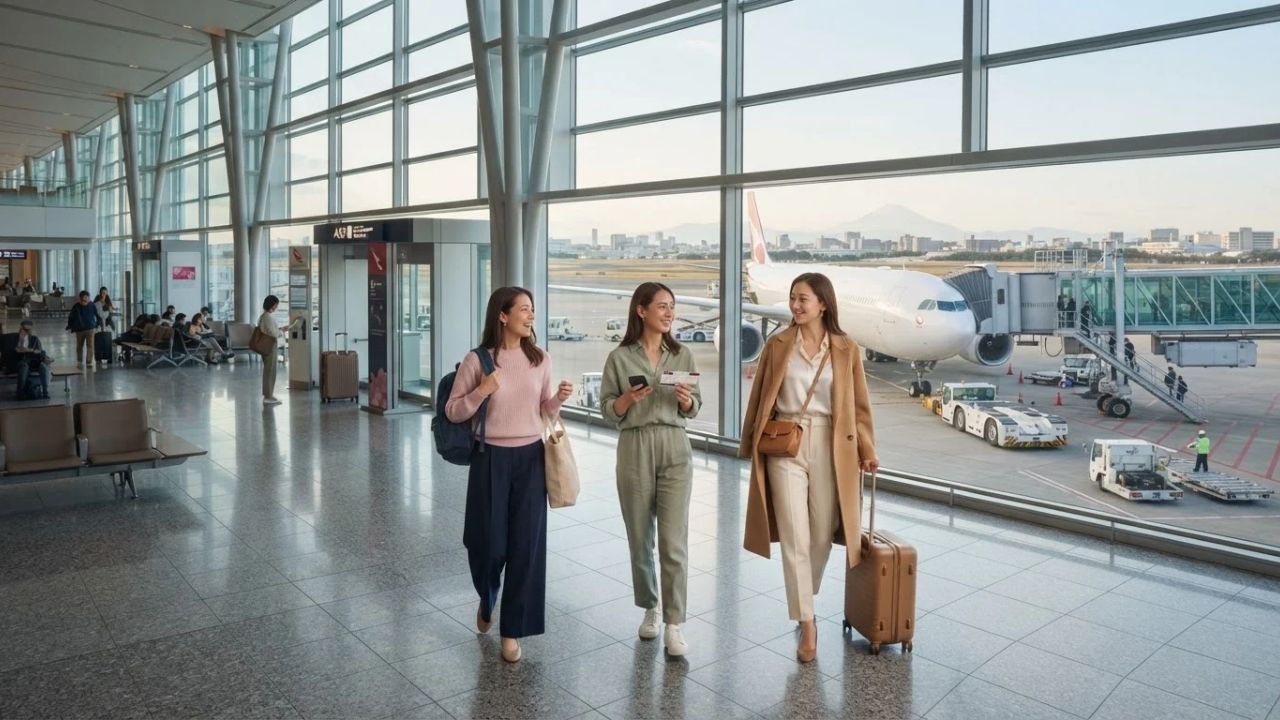
Starting 18 September 2026, Qantas is introducing its new Economy Plus seating product across international Airbus A330 routes, offering travelers up to 40 per cent more legroom alongside roughly 30,000 additional seats between Melbourne and Tokyo this winter. As bilateral travel surges—with Japanese tourist arrivals to Australia climbing 7 per cent to over 423,000 in 2025—the Australian flag carrier is upgrading cabin interiors with Bluetooth connectivity, USB-C fast charging, and expanded frequencies to meet unprecedented ski and city-break demand.
The Local Trend: Extra Legroom and Expanded Japan Frequencies
The trans-equatorial corridor connecting eastern Australia to Japan has become one of Asia-Pacific’s most fiercely contested leisure markets. Rather than forcing budget-conscious voyagers to pay for a dedicated Premium Economy ticket, Qantas is launching its Economy Plus product on international Airbus A330 flights on 18 September 2026.
Located in prime positions within the main Economy cabin, Economy Plus provides:
- Up to 40% More Legroom: Significantly expanded seat pitch compared to standard Economy seating.
- Group 2 Priority Boarding: Allowing passengers to settle in early.
- Dedicated Overhead Locker Access: Reserved bin space directly above seating rows.
- Flexible Booking Currency: Available for purchase with cash or Qantas Points, with complimentary access for select frequent-flyer tiers based on membership status.
In parallel with seating upgrades, Qantas is significantly expanding capacity on the Melbourne Airport (MEL) to Tokyo Narita (NRT) route. Between December 2026 and March 2027, the airline will increase services from seven weekly flights to 11. This seasonal boost adds approximately 30,000 seats just as Australian skiers and winter holidaymakers head toward the powder snow of Nagano, Niigata, and Hokkaido.
Qantas Japan Network Overview
| Departure Gateway | Tokyo Airport | Aircraft Model | Weekly Frequency & Highlights |
|---|---|---|---|
| Melbourne (MEL) | Narita (NRT) | Airbus A330-200 / A330-300 | Increasing from 7 to 11 weekly flights (Dec 2026 – Mar 2027) |
| Sydney (SYD) | Haneda (HND) | Airbus A330 / Widebody fleet | Direct downtown access; daily year-round trunk route |
| Brisbane (BNE) | Narita (NRT) | Airbus A330 | Daily service connecting Queensland to Greater Tokyo |
Cabin Refresh: Inside the Refurbished A330-200LR
The introduction of Economy Plus coincides with a broader cabin refurbishment program across select Qantas A330 aircraft. In the upgraded A330-200LR Economy cabin, travelers will find newly designed ergonomic seats, integrated USB-C fast-charging ports, and larger, high-definition seatback entertainment screens equipped with personal Bluetooth audio pairing. Business Class travelers continue to enjoy the Vantage XL fully flat beds in a 1-2-1 direct-aisle configuration.
Aviation regulatory oversight remains synchronized between both nations: Australia’s International Air Services Commission (IASC) regulates capacity allocations, while Japan’s Ministry of Land, Infrastructure, Transport and Tourism (MLIT) manages airport slot distribution at Haneda and Narita.
Cultural & Environmental Value: Supporting Bilateral Tourism
The expansion highlights an increasingly balanced two-way travel corridor. Data from Tourism Australia shows Japanese visitor arrivals to Australia surpassed 423,000 in the year ending December 2025 (a 7 per cent annual increase), with Japanese travelers spending A$2.2 billion in Australia for the year ending September 2025.
For Australian travelers heading north, winter travel supports regional Japanese communities:
- Revitalizing Alpine Towns: High winter flight capacity channels visitors beyond central Tokyo into traditional onsen (hot spring) villages and family-owned ryokans in Tohoku and the Japanese Alps.
- Low-Emission Rail Integration: Tokyo's dual-airport setup feeds seamlessly into JR East's electrified Shinkansen bullet train network, reducing the need for domestic regional flights.
- Craft and Culinary Preservation: Australian tourism expenditure directly sustains traditional artisan industries, from master sake breweries in Fukushima to hand-forged knife workshops in Asakusa.
Visitor Insider Tips: Flying Qantas to Tokyo Like a Pro
To make the most of Qantas' expanded Tokyo operations, consider these practical recommendations:
- Narita (NRT) vs. Haneda (HND) Transit:
- Haneda (from Sydney): Located just 15 kilometres south of central Tokyo. Take the Tokyo Monorail to Hamamatsucho Station (13 minutes, ¥500) or the Keikyu Airport Line to Shinagawa (11 minutes, ¥330).
- Narita (from Melbourne & Brisbane): Located 60 kilometres east. Take the JR Narita Express (N'EX) to Tokyo or Shinjuku (55–75 minutes; purchase the discounted foreign-passport Round Trip Ticket for ¥5,000) or the Keisei Skyliner to Ueno (36 minutes, ¥2,570).
- Luggage Delivery for Skiers (Takkyubin): If you are carrying snowboards or heavy winter bags, head to the Yamato Transport (Black Cat) desk in the Narita or Haneda arrival hall. For roughly ¥2,500 per bag, they will ship your gear directly to your ski lodge in Hakuba, Nozawa Onsen, or Niseko, freeing you to ride the trains unencumbered.
- Verify Cabin Configurations Before Seat Selection: Qantas operates multiple interior configurations across its Airbus A330 fleet. When selecting seats or upgrading to Economy Plus months in advance, review the specific aircraft seat map on the Qantas app, as seat count and bulkhead positions vary between airframes.
- Winter Travel Windows in Tokyo: December and January offer crisp, blue-sky days with high visibility of Mount Fuji from observation decks like Shibuya Sky. The period immediately following the New Year holiday (Shogatsu, ending January 4) features quieter shrines and lower hotel rates before the February plum blossom season.
- Winter Comfort Dining: Warm up after a long flight with seasonal Tokyo staples. Head to Ryogoku for hearty chanko nabe (sumo wrestler chicken and vegetable stew), order steaming bowls of rich miso ramen along Tokyo Station's Ramen Street, or sample winter yellowtail (buri) and snow crab at Toyosu Outer Market.
Tourism Outlook: Strengthening Asia-Pacific Connectivity
Qantas’ fleet investment and winter schedule expansion solidify Japan's status as Australia's top Asian leisure destination. By bridging the gap between Economy and Business Class with high-legroom Economy Plus seats, the carrier offers a practical, comfortable middle tier for long-haul voyagers.
With 30,000 extra seats opening between Melbourne and Narita, travelers benefit from greater schedule flexibility and competitive pricing, ensuring that bilateral cultural exchange and alpine tourism will continue their robust upward trajectory through 2027.
Related Travel Guides
Disclaimer
This article is for informational and educational purposes only. It does not constitute legal, financial, or professional advice. While we strive to provide accurate and up-to-date information, travel policies, regulations, and conditions change rapidly. Always verify information with official sources before making travel decisions. Nomad Lawyer makes no representations about the accuracy, reliability, completeness, or suitability of the information provided. Readers should consult qualified professionals for advice specific to their circumstances. The views expressed in this article are those of the author and do not necessarily reflect the views of Nomad Lawyer.
Raushan Kumar
Founder & Lead Developer
Full-stack developer with 11+ years of experience and a passionate traveller. Raushan built Nomad Lawyer from the ground up with a vision to create the best travel and law experience on the web.
Learn more about our team →