
How Portugal is Enhancing Travel Hygiene and Public Health Preparedness Amid a Localised Norovirus Outbreak in Central Municipalities in 2026
A localised norovirus outbreak of 122 confirmed cases in Caldas da Rainha and Óbidos highlights the shift toward enhanced travel hygiene in Portugal in 2026.

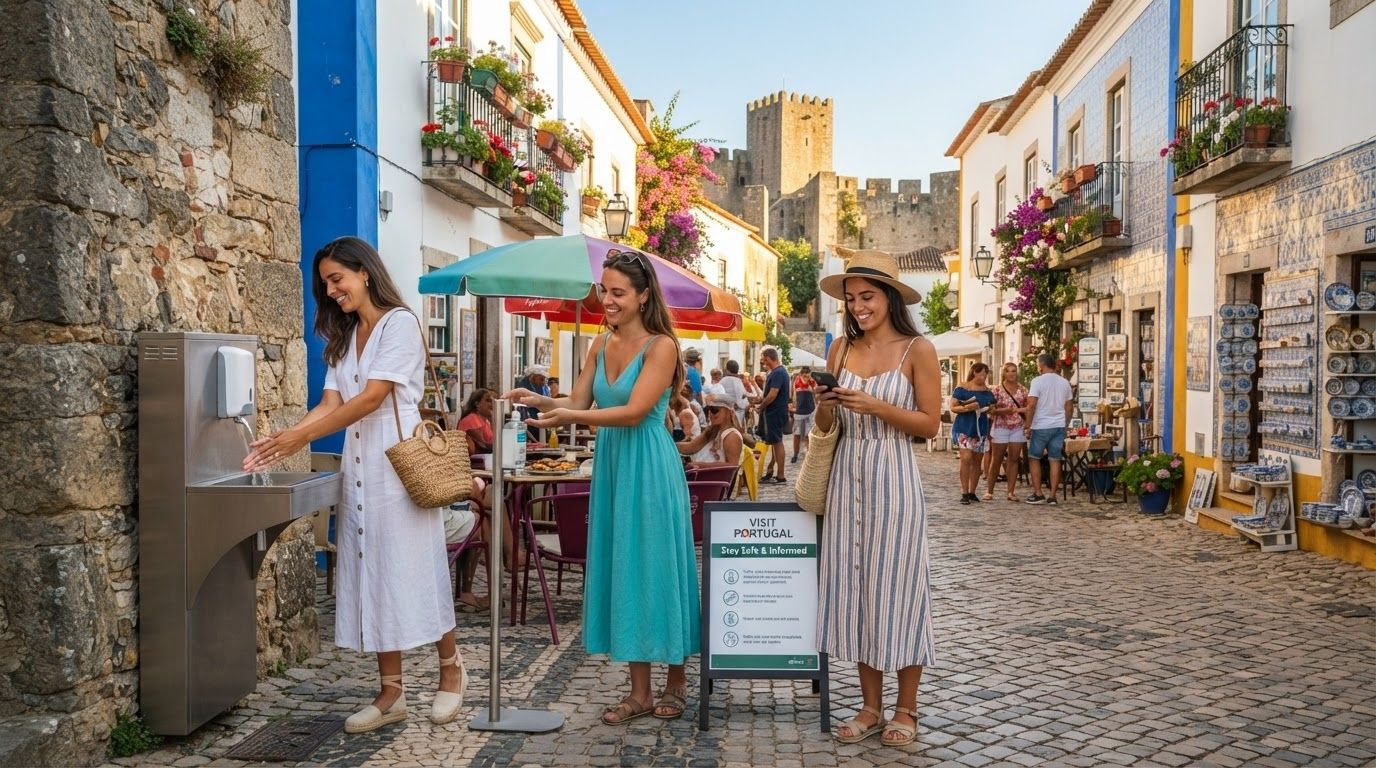
Image generated by AI
Published on July 13, 2026
A localised Genogroup II norovirus outbreak in Caldas da Rainha and Óbidos is placing health precautions at the center of Portugal's summer tourism season. While travel infrastructure continues operating normally, the incident highlights a growing emphasis on health preparedness and hygiene protocols for group events in 2026.
The Portugal norovirus outbreak has emerged as a public health incident during the peak European summer travel season, with 122 confirmed infections linked to a viral gastroenteritis cluster centered around Caldas da Rainha in central Portugal. Stool samples analyzed by the national reference laboratory confirmed Genogroup II norovirus. The majority of cases—approximately 80 infections—are associated with participants attending an international youth football tournament organized across Caldas da Rainha and neighboring Óbidos between late June and early July. More than 60 people initially sought emergency medical care at Caldas da Rainha Hospital with symptoms including vomiting, diarrhea, fever, abdominal pain, nausea, and headaches.
The Local Trend Revealed
This localized event coincides with a period of high tourist activity. Portugal has become one of Europe's strongest-performing destinations, welcoming more than 30 million international visitors in 2025, with major source markets including the United Kingdom, Spain, France, Germany, the Netherlands, the United States, and Brazil. Higher tourist volumes naturally increase opportunities for contagious illnesses to circulate, particularly during summer events, festivals, and sporting competitions.
Rather than causing widespread travel disruptions, this incident is accelerating a trend toward enhanced public health vigilance and targeted environmental sanitation. Health officials and food safety inspectors responded by expanding surveillance and inspecting catering services connected to the tournament. While initial checks found no evidence linking the catering to the outbreak, investigators are actively examining person-to-person spread and contaminated surfaces as potential transmission pathways.
To prevent future clusters, regional tourism operators and municipalities are integrating health monitoring and sanitation protocols directly into event planning. This preventative strategy allows large-scale sporting and cultural events to continue safely without impacting the broader travel sector. Airports, rail services, hotels, and attractions in Lisbon, Porto, the Algarve, Madeira, and the Azores continue to operate without restrictions.
Cultural & Environmental Value (Information Gain)
The proactive measures taken by Portuguese health authorities demonstrate how community health is linked to sustainable tourism. In modern travel, sustainability extends beyond carbon footprints and wildlife protection; it also encompasses the physical well-being of local populations and visitors. By coordinating rapid diagnostic testing and environmental sampling, regional departments protect the community's healthcare resources from being overwhelmed during the busy summer season.
Additionally, maintaining high hygiene standards protects the local hospitality economy, which relies on the steady influx of international travelers. By establishing clear protocols for sanitation and food handling, municipal bodies in Caldas da Rainha and Óbidos preserve the cultural appeal of these historic cities. This systemic response ensures that the economic benefits of tourism continue to support local heritage conservation and community programs without compromising public safety.
Visitor Insider Tips
For travelers visiting Portugal this summer, simple hygiene measures are the most effective way to prevent gastrointestinal illness:
- Prioritize Handwashing: Wash your hands thoroughly with soap and water before meals and after visiting public spaces. Note that alcohol-based hand sanitizers alone may not eliminate norovirus as effectively as proper handwashing.
- Know the Symptoms: Genogroup II norovirus typically causes vomiting, diarrhea, nausea, abdominal cramps, fatigue, and occasional fever or headaches. Symptoms usually begin 12 to 48 hours after exposure, and most healthy adults recover within 1 to 3 days.
- Stay Hydrated: Dehydration is the primary risk associated with norovirus, especially for young children, older adults, and individuals traveling in warm weather. Drink bottled or safe tap water regularly.
- Monitor Local Health Updates: Follow guidelines from Portuguese health authorities, and seek medical advice if you experience persistent symptoms.
- Support Local Eateries Safely: Support the local economy by dining at established regional restaurants. Try local specialties such as Trouxas de Caldas (sweet egg-based pastries) in Caldas da Rainha or traditional cherry liqueur (Ginjinha) served in chocolate cups in Óbidos.
- Travel During Off-Peak Windows: Plan your visits to popular historic sites, such as the medieval castle of Óbidos, during the shoulder months of May or September to avoid large peak-summer crowds and reduce exposure in close environments.
Tourism Outlook
Portugal's travel industry continues to show resilience, with hospitality operations maintaining high standards of sanitation. The localized norovirus investigation is viewed as a public health confirmation of the country's rapid response capabilities rather than a nationwide emergency.
In the long run, the integration of dedicated health surveillance teams at major youth tournaments and festivals will build traveler confidence. By establishing transparent communication channels and rapid case tracing, Portugal is demonstrating how a modern tourism economy can manage public health events successfully, protecting both the traveler experience and local communities.
Related Travel Guides
Disclaimer
This article is for informational and educational purposes only. It does not constitute legal, financial, or professional advice. While we strive to provide accurate and up-to-date information, travel policies, regulations, and conditions change rapidly. Always verify information with official sources before making travel decisions. Nomad Lawyer makes no representations about the accuracy, reliability, completeness, or suitability of the information provided. Readers should consult qualified professionals for advice specific to their circumstances. The views expressed in this article are those of the author and do not necessarily reflect the views of Nomad Lawyer.
Kunal K Choudhary
Co-Founder & Contributor
A passionate traveller and tech enthusiast. Kunal contributes to the vision and growth of Nomad Lawyer, bringing fresh perspectives and driving the community forward.
Learn more about our team →