
Canada and United States Confirm First 2026 West Nile Virus Human Cases as Toronto, Utah, and Texas Report New Infections
Toronto, Salt Lake County, and Denton County confirm first 2026 human West Nile virus cases as mosquito detections spread across Canada and the United States.

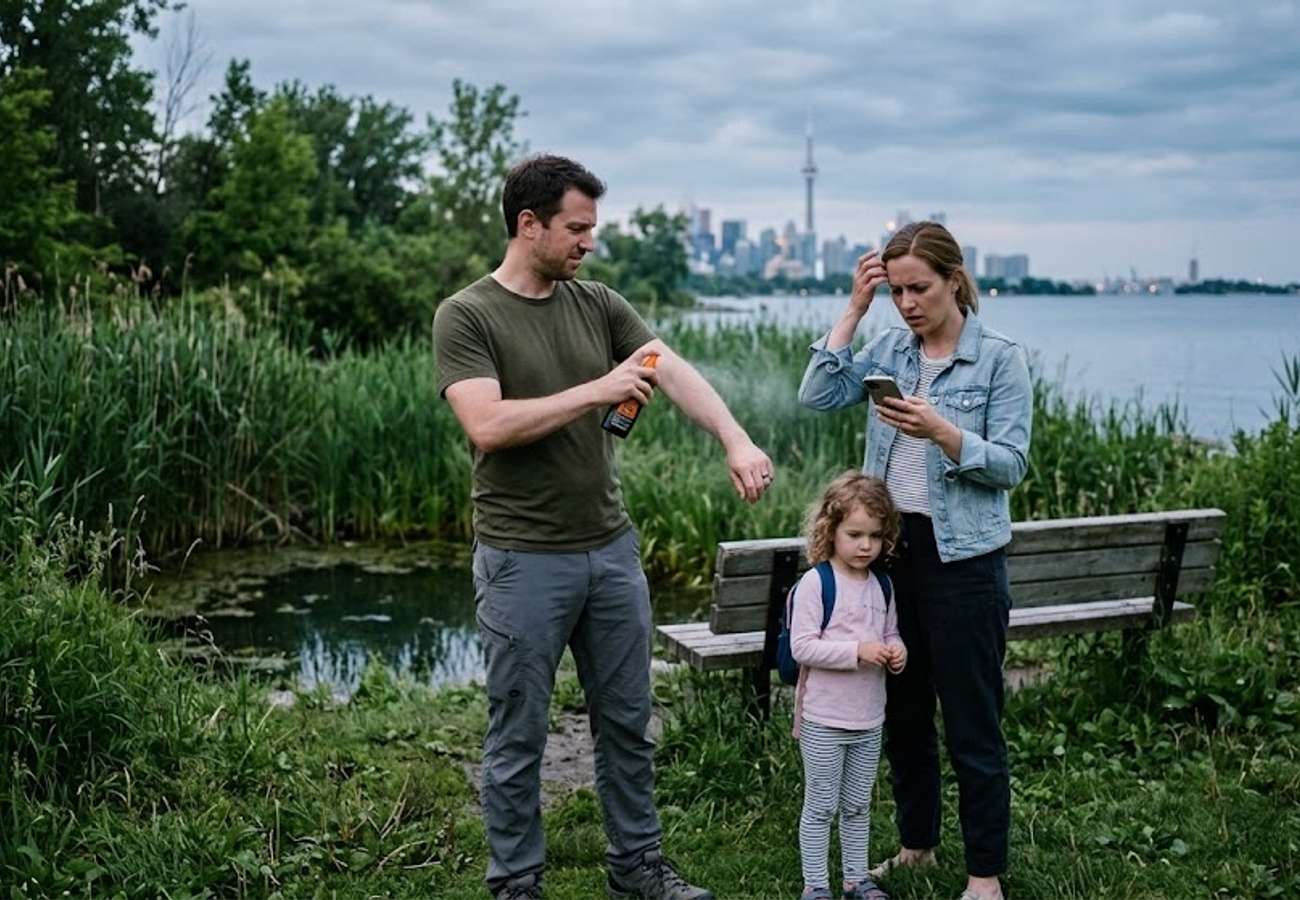
Image generated by AI
Toronto Public Health has confirmed the city's first human West Nile virus case of 2026 in an adult resident, while health authorities across Canada and the United States are reporting new infections and expanding mosquito surveillance.
[Toronto, July 31, 2026] — Toronto Public Health confirmed a West Nile virus infection in an adult resident on July 30, 2026, marking the city's first documented human case of the year. The announcement coincides with additional human cases identified in Salt Lake County, Utah, and Denton County, Texas, alongside mosquito samples testing positive for the virus in Rhode Island, Hamilton, Ontario, Wisconsin, Ohio, and Colorado.
Health officials across both countries are intensifying mosquito monitoring programmes and public awareness campaigns as summer temperatures sustain conditions favourable for mosquito populations. No travel restrictions have been issued, but authorities are urging residents and visitors to adopt preventive measures during outdoor activities.
Toronto Reports First 2026 West Nile Virus Infection
Toronto Public Health confirmed the infection on July 30, 2026, in an adult resident. The case represents the city's first human West Nile virus diagnosis of the calendar year and has prompted renewed mosquito prevention messaging across Canada's largest metropolitan area.
Toronto hosts millions of residents and receives a steady flow of visitors throughout the summer for cultural festivals, business conferences, and waterfront recreation. The city's parks, trails, and neighbourhood green spaces remain open and accessible. Public health officials have emphasised that the confirmed case does not signal an elevated danger level for residents or tourists but rather underscores the seasonal nature of mosquito-borne illness.
Toronto Public Health continues to track mosquito activity through its surveillance programme and is providing regular updates to the public. Residents are being encouraged to remove standing water from gardens, balconies, and yards where mosquitoes breed, and to use insect repellent during outdoor activities, particularly at dawn and dusk when mosquitoes are most active.
Hamilton, Ontario Mosquito Detections Prompt Local Surveillance
Hamilton, Ontario, has joined the list of Canadian locations where mosquito samples have tested positive for West Nile virus. The detection does not mean every resident faces immediate infection risk, but it confirms that mosquitoes carrying the virus are present in the local environment.
Health officials in Hamilton are continuing municipal surveillance programmes and expanding community education efforts. Residents are receiving reminders about eliminating mosquito breeding sites around their properties and protecting themselves during peak mosquito activity periods.
The positive mosquito tests in Hamilton highlight the importance of prevention at both the household and community levels, as local agencies work to identify areas with higher virus activity before human infections occur.
Salt Lake County, Utah Confirms First Human Case of 2026
Salt Lake County reported its first human West Nile virus case of 2026, which also represents the second documented case in the state of Utah this year. The diagnosis has drawn attention to mosquito prevention as residents continue participating in summer outdoor recreation across the state.
Utah's climate and geography make hiking, camping, and outdoor sports popular during the summer months. Health officials are encouraging residents to incorporate mosquito protection into their regular outdoor routines by using repellent and wearing protective clothing.
Surveillance efforts remain ongoing, with monitoring designed to identify areas where mosquito activity is intensifying. The focus is on prevention rather than restricting daily life or discouraging outdoor recreation.
Denton County, Texas Reports Second Case in The Colony
Denton County, Texas, confirmed its second West Nile virus case of 2026, with the infection identified in The Colony. Texas communities routinely monitor mosquito-borne illnesses because warm temperatures can sustain mosquito populations for extended periods compared with cooler regions.
Local health authorities are reminding residents to eliminate standing water from containers, outdoor equipment, and areas that collect rainwater. Families are being advised to exercise greater caution during early morning and evening hours when mosquito activity peaks.
Awareness campaigns across Denton County are sharing prevention guidance through local media and community channels. The messaging encourages residents to remain vigilant without disrupting normal summer activities.
Rhode Island, Wisconsin, Ohio, and Colorado Expand Mosquito Surveillance
Beyond the confirmed human cases, several additional regions have detected West Nile virus activity through mosquito testing programmes. Rhode Island raised its mosquito risk level following positive detections, while mosquito samples have also tested positive in parts of Wisconsin, Ohio, and Colorado.
| Location | Detection Type | Status |
|---|---|---|
| Toronto, Ontario | Human case (adult resident) | First 2026 case confirmed July 30, 2026 |
| Salt Lake County, Utah | Human case | First 2026 case in county; second in Utah this year |
| Denton County, Texas | Human case (The Colony) | Second 2026 case in county |
| Hamilton, Ontario | Mosquito sample | Positive detection |
| Rhode Island | Mosquito sample | Risk level increased |
| Wisconsin | Mosquito sample | Positive detection |
| Ohio | Mosquito sample | Positive detection |
| Colorado | Mosquito sample | Positive detection |
Health agencies in these regions are conducting mosquito testing to track virus movement, issuing prevention guidance to residents, and monitoring high-risk areas. Communities are being encouraged to reduce mosquito breeding locations by eliminating standing water and maintaining property drainage.
How West Nile Virus Affects Tourism and Outdoor Activities
For tourism destinations, mosquito-borne illnesses can influence visitor behaviour even when no formal travel restrictions are in place. Outdoor attractions, national and provincial parks, summer festivals, and nature-based experiences remain available to the public, but visitors may need to adjust their preparation and timing.
Tourism operators across affected regions are reporting increased awareness among guests about mosquito protection. Hotels and accommodation providers are reviewing their prevention measures, while outdoor event organisers are incorporating health messaging into their communications with attendees.
Travellers are increasingly carrying insect repellent and protective clothing as standard kit for summer trips. Some visitors are choosing to schedule outdoor activities outside peak mosquito periods, particularly avoiding dawn and dusk excursions in areas where positive mosquito detections have been reported.
What Travellers Should Know Before Visiting Affected Areas
Health authorities have been clear: travellers do not need to cancel or avoid trips to Toronto, Utah, Texas, or any other affected region because of West Nile virus reports. The virus typically causes mild symptoms or no illness in most people. However, older adults and individuals with weakened immune systems face a higher risk of severe illness, and officials are directing specific guidance to those groups.
Before booking and during travel, visitors should review information from local public health agencies, carry approved insect repellent, wear long sleeves and trousers when feasible, and take extra precautions during dawn and dusk. Removing standing water near accommodation can also reduce mosquito breeding opportunities.
Preparation allows visitors to continue enjoying destinations safely while minimising exposure risk.
Why This Matters: Real-World Impact on Summer Travel and Daily Life
For the traveller, this means a shift in how summer trips are planned rather than a reason to stay home. Anyone heading to Toronto for a waterfront festival, to Utah for a hiking trip, or to Texas for a family visit should factor mosquito protection into their packing list with the same seriousness as sunscreen or hydration. The confirmed human cases in three distinct regions, combined with mosquito detections across six additional areas, signal that West Nile virus is circulating widely this season.
From a public health standpoint, the pattern is consistent with seasonal expectations. Mosquito-borne illness activity typically rises during mid-to-late summer when temperatures remain high and standing water provides breeding grounds. What makes 2026 notable is the geographic spread of detections, spanning both Canadian provinces and American states within the same reporting window.
For local businesses, parks departments, and tourism operators, the challenge is maintaining normal operations while communicating prevention guidance without causing unnecessary alarm. The balance between public safety and economic continuity is delicate, and health agencies across both countries are working to strike it through targeted messaging rather than broad restrictions.
Travellers heading to affected regions this summer should pack repellent, check local health advisories, and plan outdoor activities around peak mosquito hours.
Related Travel Guides
Disclaimer
This article is for informational and educational purposes only. It does not constitute legal, financial, or professional advice. While we strive to provide accurate and up-to-date information, travel policies, regulations, and conditions change rapidly. Always verify information with official sources before making travel decisions. Nomad Lawyer makes no representations about the accuracy, reliability, completeness, or suitability of the information provided. Readers should consult qualified professionals for advice specific to their circumstances. The views expressed in this article are those of the author and do not necessarily reflect the views of Nomad Lawyer.
Kunal K Choudhary
Co-Founder & Contributor
A passionate traveller and tech enthusiast. Kunal contributes to the vision and growth of Nomad Lawyer, bringing fresh perspectives and driving the community forward.
Learn more about our team →