
Portugal Douro River Cruise Capacity Limits: Sustainable Tourism Shift for 2026
Portugal is implementing strategic capacity limits on Douro River cruises to combat overtourism and preserve the UNESCO-listed landscapes of the Douro Valley.

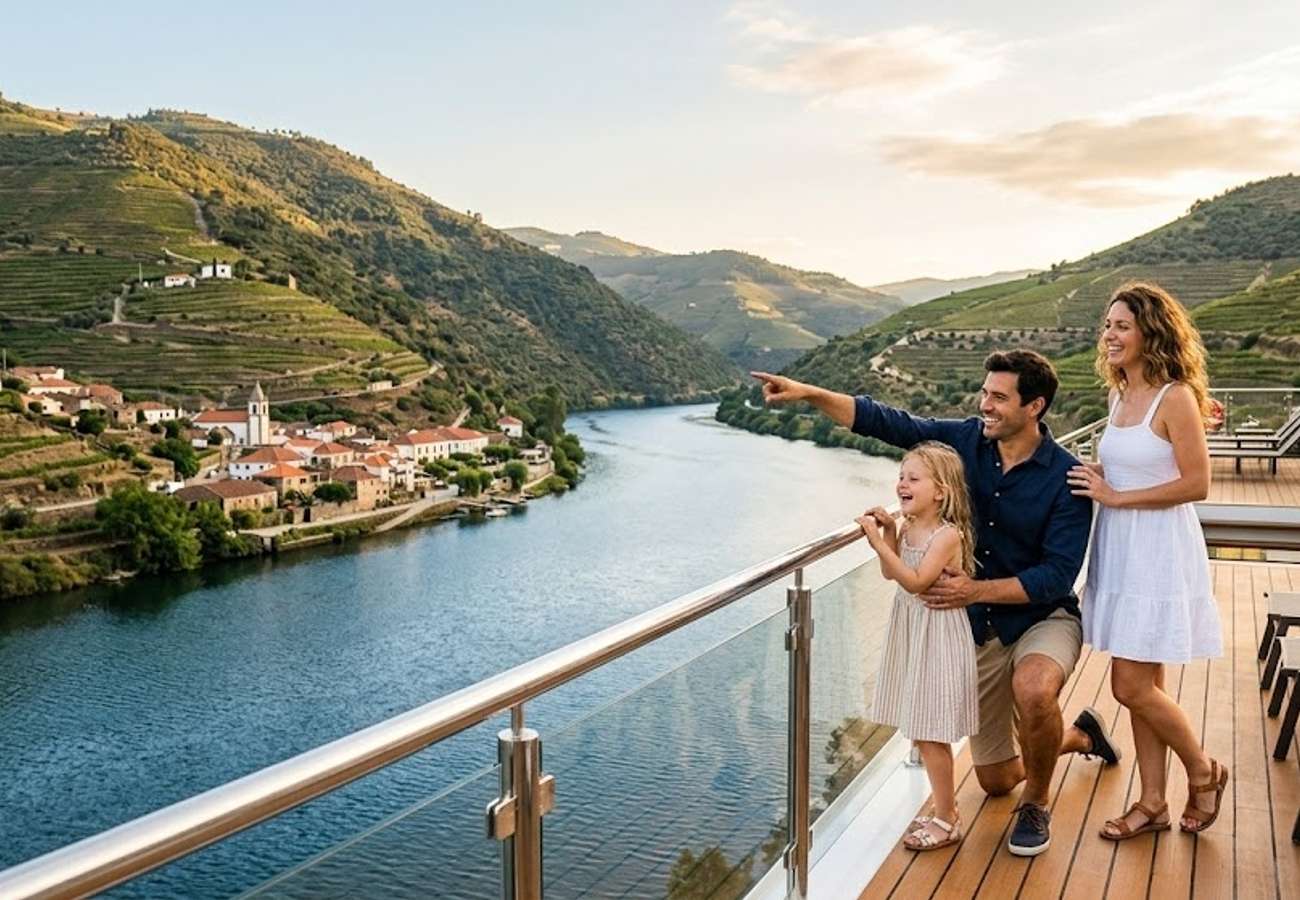
Image generated by AI
Portugal is transitioning the Douro River from a high-growth tourism zone to a managed-capacity destination to prevent environmental and cultural degradation.
The Douro River, a primary artery for luxury river travel in Northern Portugal, has hit a critical operational ceiling. Rising international demand for wine-centric, "slow travel" experiences has pushed the waterway toward its physical and logistical limits. Portuguese authorities are now pivoting from a strategy of unlimited expansion to one of sustainable management.
This shift does not signal a cessation of river cruises, but rather a systemic change in how vessel traffic is regulated. The objective is to decouple economic growth from passenger volume, ensuring that the Douro Valley's unique character remains intact.
Operational Constraints and Demand Drivers
The Douro is not a typical European waterway. Unlike the Rhine or Danube, it possesses specific geographical bottlenecks that dictate a hard cap on traffic.
- Physical Limitations: Narrow river sections and a complex system of locks restrict the size and number of vessels that can navigate safely.
- The "Slow Travel" Trend: A surge in travelers seeking authentic, non-urban experiences has made the Douro a high-value target for luxury operators.
- Core Attractions: The region's appeal is driven by its UNESCO-listed landscapes, historic riverside villages, and its status as one of the world's oldest designated wine regions.
Logistics of the Douro Experience
Most itineraries originate in Porto, serving as the primary gateway for international visitors arriving via Francisco Sá Carneiro Airport (OPO).
Key Destination Hubs:
- Porto: The starting point, centered around the Ribeira waterfront and historic port wine cellars.
- Douro Valley: Characterized by dramatic terraced vineyards and gastronomy-focused excursions.
- Riverine Communities: Frequent stops include Peso da Régua, Pinhão, Lamego, and Vila Real.
Impact Analysis for 2026 Travelers
The move toward capacity limits will fundamentally alter the booking landscape for river cruises in Northern Portugal.
- Reduced Availability: With a hard cap on vessel numbers, competition for peak sailing dates—specifically spring and autumn—will intensify.
- Pricing Volatility: Market trends suggest that as supply is capped while demand remains high, prices for premium cabins and prime dates will likely increase.
- Enhanced On-Shore Experience: From a logistical perspective, fewer ships mean reduced congestion at ports and less crowded excursions, potentially increasing the "perceived value" of the trip.
Sustainable Management Framework
Turismo de Portugal is spearheading a strategy to balance economic injection with environmental preservation. The current framework focuses on:
- Vessel Specialization: Encouraging the use of smaller, river-specific ships designed for the Douro’s unique navigation requirements.
- Economic Distribution: Ensuring cruise spending reaches small-scale wine producers, local guides, and family-run hotels in remote villages.
- Quality Over Quantity: Shifting the industry KPI from "total passenger count" to "high-value, low-impact" tourism.
Planning Guidelines for Future Passengers
For those planning a journey in 2026, the following logistical considerations are paramount:
- Booking Window: Due to limited capacity, early reservation is now essential to secure preferred dates.
- Seasonal Timing: Autumn remains the most desirable window due to the harvest season and changing vineyard colors.
- Itinerary Extension: Travelers are advised to book additional days in Porto to avoid the rush of cruise departures and arrivals.
The Douro is evolving from a mass-market river cruise destination into an exclusive, carefully curated travel experience.
Related Travel Guides
Disclaimer
This article is for informational and educational purposes only. It does not constitute legal, financial, or professional advice. While we strive to provide accurate and up-to-date information, travel policies, regulations, and conditions change rapidly. Always verify information with official sources before making travel decisions. Nomad Lawyer makes no representations about the accuracy, reliability, completeness, or suitability of the information provided. Readers should consult qualified professionals for advice specific to their circumstances. The views expressed in this article are those of the author and do not necessarily reflect the views of Nomad Lawyer.
Kunal K Choudhary
Co-Founder & Contributor
A passionate traveller and tech enthusiast. Kunal contributes to the vision and growth of Nomad Lawyer, bringing fresh perspectives and driving the community forward.
Learn more about our team →