
Portofino's Slow Travel Model: How Italy's Ligurian Coast is Redefining Luxury Tourism in 2026
Analysis of the shift toward immersive, single-location stays in Portofino and the Ligurian Coast, where extended visitor durations are boosting local expenditures by up to 42% while curbing mass-tourism volatility.

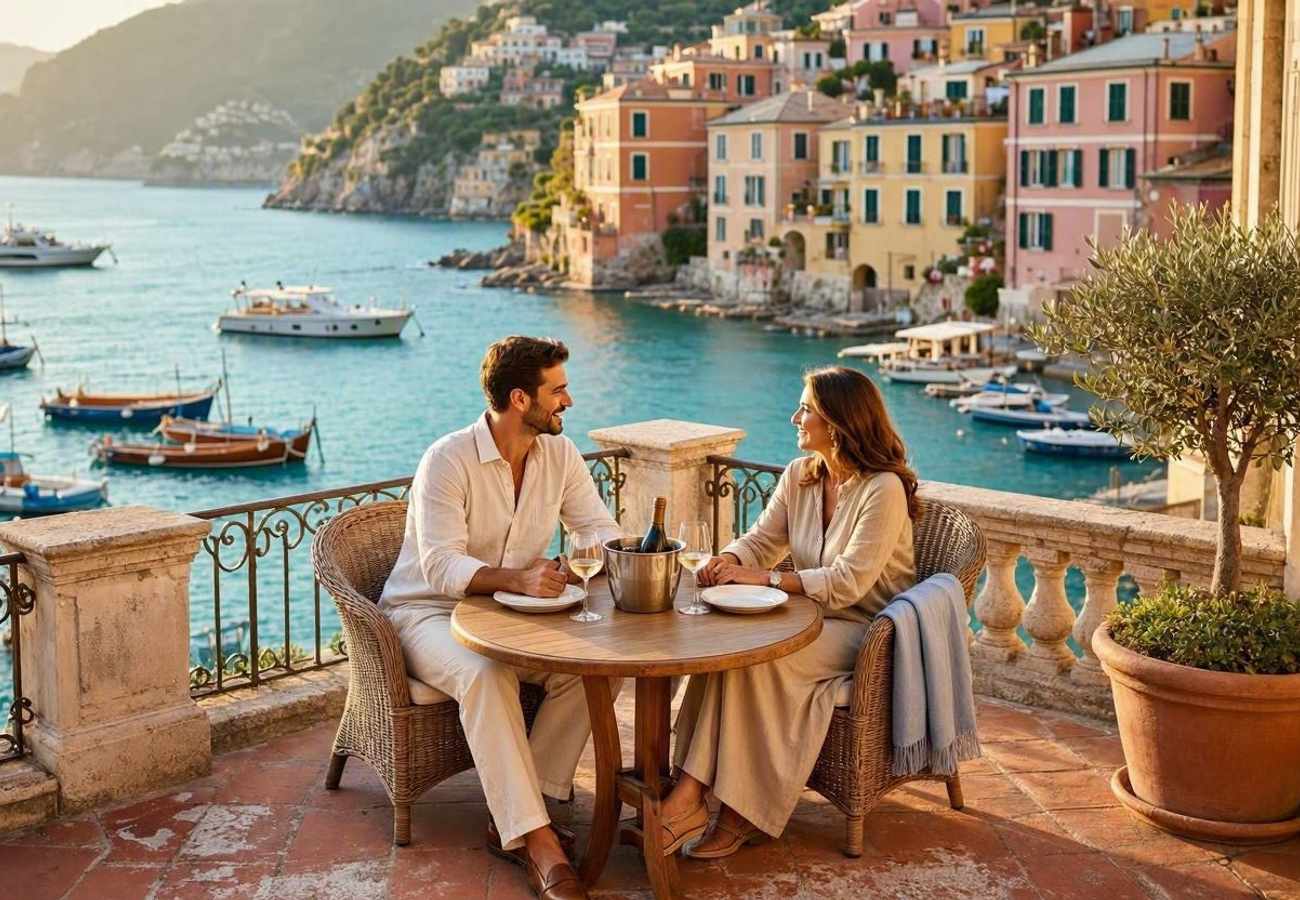
Image generated by AI
A 42% increase in local visitor expenditures is the direct result of a global pivot toward "slow travel," as evidenced by the evolving economic patterns in Italy's Ligurian Coast. This shift represents a fundamental departure from the high-velocity, multi-city itineraries that dominated the previous decade. Instead of treating destinations as checkboxes on a passport, a growing segment of high-net-worth travelers and remote professionals are opting for immersive, single-location stays. In Portofino, this behavioral change is not merely a lifestyle preference but a strategic economic engine that prioritizes depth of experience over breadth of geography.
The Economic Pivot Toward Micro-Destinations
The financial architecture of Italian tourism is undergoing a structural realignment. While the national travel sector continues to be a powerhouse, generating an annual economic impact exceeding €237.4 billion, the distribution of that wealth is shifting. The traditional "grand tour" model—where tourists spend minimal time in multiple hubs—is being replaced by the micro-destination model.
When travelers commit to extended stays in smaller coastal enclaves, the financial benefit to the local ecosystem is magnified. Data indicates that these prolonged visits boost local spending by 35% to 42%. In these high-end Mediterranean villages, the average daily expenditure now exceeds €1,000 per visitor, distributed across boutique accommodations, artisanal dining, and curated private experiences.
This concentration of capital is vital for the survival of family-run establishments. Rather than dispersing funds across various transit hubs and international hotel chains, visitors are concentrating their purchasing power within a single community. According to recent consumer surveys, over 70% of modern travelers now actively prefer these multi-day immersive stays over the frantic pace of traditional tour itineraries.
Managing Density and Environmental Carrying Capacity
The transition to slow travel is as much about municipal survival as it is about traveler wellness. The inherent fragility of historic coastal hubs necessitates a rigorous approach to visitor density. To combat the negative externalities of over-tourism, Portofino and surrounding municipalities have implemented strict regulatory frameworks to protect public infrastructure.
One of the most visible interventions is the management of pedestrian flow. During the peak summer window—specifically between 10:30 AM and 6:00 PM—authorities enforce designated no-loitering zones and pedestrian speed guidelines. These measures are designed to prevent the total gridlock of narrow waterfront arcades and historic plazas, ensuring that emergency access remains viable and the resident quality of life is not entirely eroded by seasonal surges.
Beyond the shoreline, the Italian National Tourist Board (Italia.it) and local regulators have targeted the primary source of volatility: large-scale cruise tourism. By instituting strict limits on large cruise vessel dockings, the Italian Riviera has successfully reduced daily passenger surges by 40% to 50%. This reduction in "hit-and-run" tourism—where thousands of passengers arrive and depart within hours—stabilizes the local economy and reduces the physical strain on the town's ancient infrastructure.
Expert Analysis: The Strategic Logic of "Slow" Luxury
For the traveler and the investor, the "Portofino Model" reveals a critical truth: scarcity and exclusivity are now derived from time, not just price. In the previous era of luxury travel, the goal was access to the most exclusive places. In 2026, the luxury is the ability to stay in one place long enough to integrate into the local rhythm.
For travelers booking routes into the Ligurian Coast, the direct consequence is a shift in how they plan their logistics. The reliance on high-speed rail and short-term rentals is giving way to long-term boutique leases and private villas. This creates a pricing pressure that favors quality over volume. When a destination reduces its total visitor count (via cruise restrictions) but increases the average spend per visitor (via extended stays), it achieves a more sustainable "carrying capacity."
The pricing pressure this creates means that while entry-level tourism may become more expensive or restricted, the value proposition for the "slow traveler" increases. They receive a more authentic, less crowded experience, while the local economy receives a stable, predictable revenue stream rather than the erratic spikes associated with mass tourism. This is a blueprint for the World Tourism Organization (UNWTO) and other global bodies seeking to balance economic growth with heritage preservation.
Key Takeaways
- Spending Surge: Extended stays in Ligurian coastal villages have increased local visitor expenditures by 35% to 42%, with daily spending topping €1,000 per person.
- Cruise Mitigation: Strict docking limits have successfully cut daily passenger surges by 40% to 50%, reducing the volatility of mass tourism.
- Density Controls: Peak-hour pedestrian regulations (10:30 AM to 6:00 PM) are now used to maintain public safety and infrastructure integrity in Portofino.
- Consumer Shift: 70% of modern travelers now prioritize single-location immersive stays over multi-city itineraries.
- Macro Impact: Italy's total tourism sector remains a massive economic driver with an annual impact of over €237.4 billion.
FAQ: Portofino Slow Travel 2026
What is "slow travel" in the context of the Italian Riviera? Slow travel is a shift from visiting multiple cities in a short time to staying in one location for an extended period. It focuses on deep cultural immersion, supporting local artisans, and prioritizing mental wellness over sightseeing checklists.
How has Portofino limited the impact of cruise ships? Municipal authorities have implemented strict limits on the docking of large cruise vessels. This has reduced the sudden influx of daily passengers by 40% to 50%, preventing over-capacity events in the village center.
Are there restrictions for pedestrians in Portofino during the summer? Yes. To prevent congestion, the town enforces no-loitering zones and pedestrian speed guidelines during peak hours, specifically from 10:30 AM to 6:00 PM in the summer months.
Why is slow travel better for the local economy? It replaces volatile, short-term spending with stable, long-term revenue. Extended stays increase local expenditure by up to 42%, benefiting boutique hotels and family-run businesses more than mass-market operators.
The future of luxury is no longer about how many places you have seen, but how deeply you have experienced one.
Related Travel Guides
Disclaimer
This article is for informational and educational purposes only. It does not constitute legal, financial, or professional advice. While we strive to provide accurate and up-to-date information, travel policies, regulations, and conditions change rapidly. Always verify information with official sources before making travel decisions. Nomad Lawyer makes no representations about the accuracy, reliability, completeness, or suitability of the information provided. Readers should consult qualified professionals for advice specific to their circumstances. The views expressed in this article are those of the author and do not necessarily reflect the views of Nomad Lawyer.
Preeti Gunjan
Contributor & Community Manager
A passionate traveller and community builder. Preeti helps grow the Nomad Lawyer community, fostering engagement and bringing the reader experience to life.
Learn more about our team →