
Port of Montreal Scales 2026 Cruise Operations to Target Ontario and Quebec Markets
Port of Montreal targets 50,000 passengers for 2026, focusing on Ontario feeder markets and transatlantic routes to Germany and Iceland.

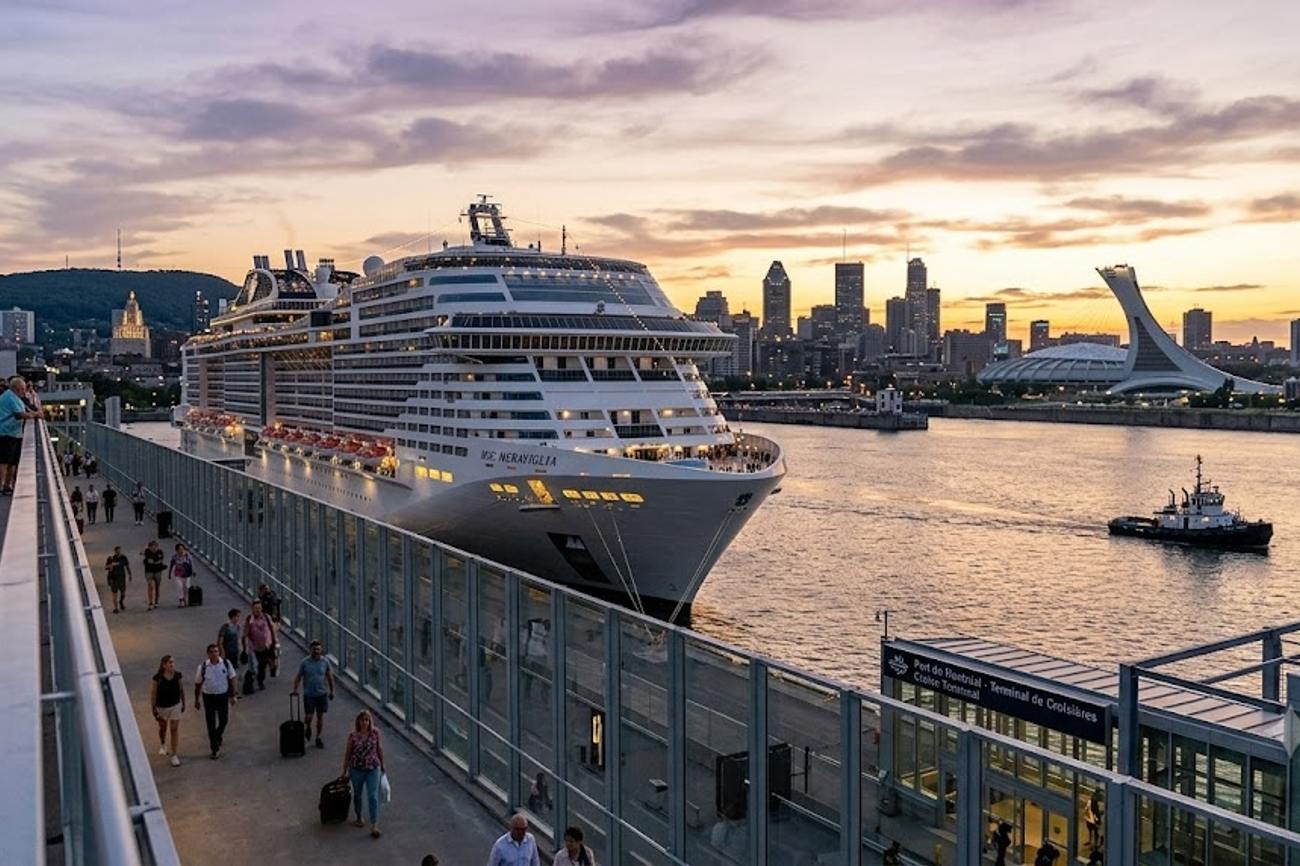
Image generated by AI
The Montréal Port Authority has announced an aggressive expansion of its 2026 cruise strategy, positioning the city as a primary gateway for both North American and transatlantic travel. By prioritizing embarkation and disembarkation over simple port calls, Montreal is transforming from a transit stop into a primary hub for domestic and international tourism.
The 2026 season, running from 24 April to 31 October, is designed to leverage the proximity of Ontario and Quebec residents. According to the Québec Ministry of Tourism (April 2026 data), Ontario remains the largest visitor market for the province outside of Quebec and ranks second in total tourism spending, trailing only the United States. This domestic demand is further supported by research indicating that 19% of surveyed Ontario residents planned summer leisure trips to Quebec in 2026.
2026 Operational Specifications
The seasonal program is defined by a high ratio of turnaround operations. Of the 39 total operations, 30 are dedicated to embarkation or disembarkation, while only nine are conventional port calls. This structure allows the port to function as a "home port," encouraging travelers to extend their stays in the city for pre- and post-cruise tourism.
The fleet for 2026 consists of 17 ships from 16 different cruise lines. Capacity varies significantly to accommodate different market segments, ranging from the boutique Le Bellot (PONANT) with 184 passengers to the Volendam (Holland America Line) with a capacity of 1,440 passengers.
Transit Schedule & Route Specifications
| Parameter | 2026 Official Figure |
|---|---|
| Season Dates | 24 April – 31 October 2026 |
| Expected Passenger Volume | Nearly 50,000 |
| Total Cruise Operations | 39 |
| Embarkation/Disembarkation (Turnarounds) | 30 |
| Conventional Port Calls | 9 |
| Total Ships / Cruise Lines | 17 Ships / 16 Lines |
| Key Destinations | Germany, Iceland, Great Lakes, Florida, New England |
| Roundtrip Cruises from Montreal | 4 |
Traveler Logistics Guide
From a ground-level perspective, the shift toward 30 turnaround operations significantly changes how travelers should plan their transit. Because Montreal is acting as the starting or finishing point for the majority of these voyages, the logistics focus shifts from short-term shore excursions to multi-day city stays.
Booking Connections & Layovers:
- Ontario Feeders: For travelers coming from Ontario, rail or road transit is the most efficient path to the terminal. We recommend arriving in Montreal at least 48 hours prior to embarkation to mitigate any transit delays.
- Transatlantic Transit: With routes connecting to Germany and Iceland, international travelers should coordinate their flight arrivals with the specific turnaround dates to avoid expensive hotel gaps.
- Domestic Advantage: Quebec residents can bypass air travel entirely via the four scheduled roundtrip cruises, removing the need for pre-cruise flights.
Customs and Digital Policies: Travelers entering Canada via cruise ship must ensure their travel documents are current. Those arriving from the US or utilizing the Great Lakes routes should verify their entry requirements via the official Canada Border Services Agency (CBSA) portals.
Infrastructure Impact Assessment
The emphasis on turnaround operations creates a direct economic multiplier for Montreal's urban core. By converting port calls into embarkation points, the port increases the demand for local hotel capacity, ground transportation, and dining.
The integration of transatlantic routes to Europe (Germany and Iceland) elevates Montreal from a regional St. Lawrence River stop to a global maritime node. This connectivity strengthens the regional tourism ecosystem, particularly as 61% of surveyed Quebec residents intend to travel within the province for summer leisure, spending an average of C$345 daily.
Related Travel Guides
Disclaimer
This article is for informational and educational purposes only. It does not constitute legal, financial, or professional advice. While we strive to provide accurate and up-to-date information, travel policies, regulations, and conditions change rapidly. Always verify information with official sources before making travel decisions. Nomad Lawyer makes no representations about the accuracy, reliability, completeness, or suitability of the information provided. Readers should consult qualified professionals for advice specific to their circumstances. The views expressed in this article are those of the author and do not necessarily reflect the views of Nomad Lawyer.
Preeti Gunjan
Contributor & Community Manager
A passionate traveller and community builder. Preeti helps grow the Nomad Lawyer community, fostering engagement and bringing the reader experience to life.
Learn more about our team →