
Poland Tourism Hits Record Highs: Europe's Budget-Friendly Gem Surges in 2026
Poland tourism hits record visitor numbers in 2025-2026, attracting 21+ million international travelers. The nation emerges as Europe's most affordable cultural destination, driving 165 billion złoty in economic impact.

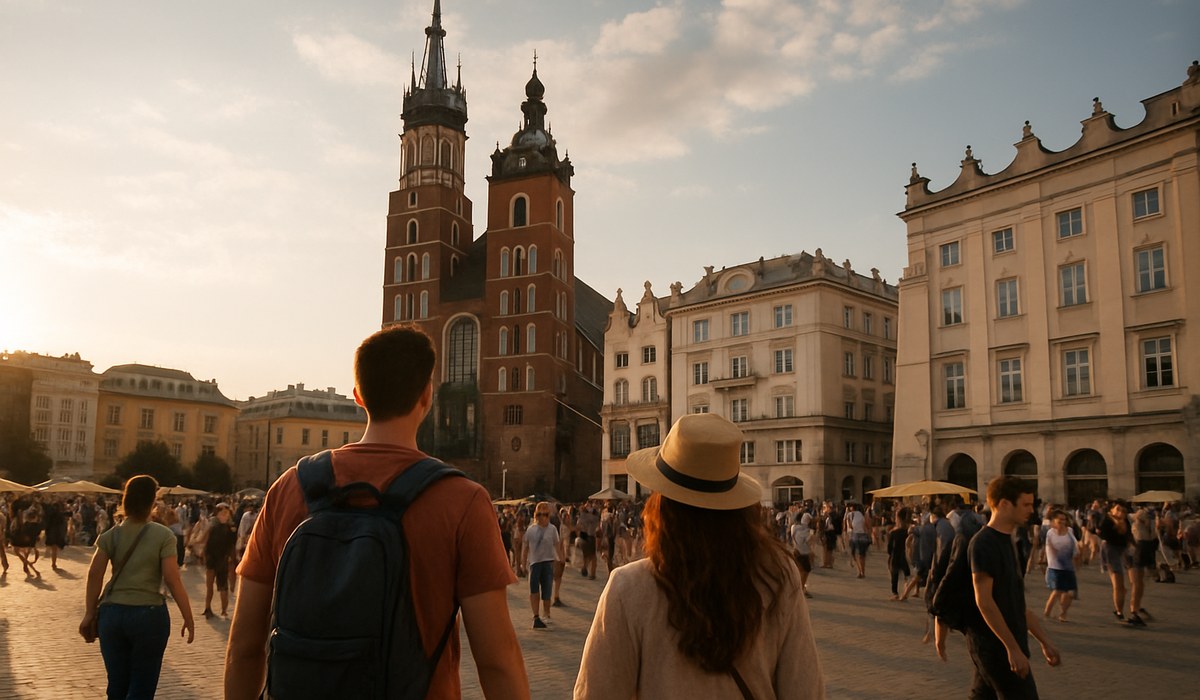
Image generated by AI
Poland Tourism Hits Record Highs Across Europe in 2026
Poland has emerged as one of Europe's fastest-growing tourism destinations, achieving unprecedented visitor numbers throughout 2025 and into early 2026. New data reveals that the nation attracted over 21 million international tourists in 2025, marking a significant shift in continental travel patterns. Poland's tourism sector now generates approximately 165 billion złoty annually—nearly 5 percent of the nation's GDP. This surge reflects travelers seeking authentic European experiences at exceptional value, particularly as traditional Mediterranean hotspots face capacity constraints and rising costs.
Record-Breaking Arrivals Define Poland's Tourism Boom
Poland's tourism industry recorded over 58.9 million total accommodation stays in 2025, representing an 11 percent surge compared to 2024 levels. International arrivals exceeded 21 million visitors for the first time, solidifying the nation's position among Europe's top emerging destinations. Statistics Poland confirms that foreign tourist numbers have now surpassed pre-pandemic baselines by substantial margins.
Eurostat rankings place Poland as the European Union's second-fastest-growing tourism market in 2025, trailing only Malta. The nation recorded a 7 percent increase in overnight stays, driven by visitors from Germany, Czechia, Slovakia, the Netherlands, and increasingly, travelers from the United Kingdom and East Asia. This geographic diversification reduces seasonal volatility and strengthens year-round demand. According to Lonely Planet's Eastern Europe travel guides, Poland's reputation as an underrated destination continues accelerating. Tourism economists attribute this growth to improved airline connectivity, competitive accommodation pricing, and enhanced cultural infrastructure across major cities.
Culture-Rich Cities Drive Polish Tourism's Ascent
Poland's major urban centers—Krakow, Warsaw, Gdańsk, Wrocław, Poznań, and Lublin—are anchoring the tourism surge through heritage attractions and vibrant city experiences. Krakow's UNESCO-listed Old Town consistently ranks among Europe's most visited medieval districts, alongside its transformed waterfront districts now hosting dozens of Michelin-recognized restaurants and contemporary galleries.
Lublin exemplifies Poland's smaller-city success story. The eastern hub recorded 2.2 million visitors in 2025, including over 500,000 international arrivals. This represents Poland's emerging trend: tourism is expanding beyond flagship destinations into authentic provincial centers. Warsaw's role as Central Europe's primary aviation hub amplifies its appeal as a cultural gateway, supported by expanding festival calendars and museum networks. Gdańsk's Baltic location and revitalized historic port district attract weekend travelers from Scandinavia and Northern Europe seeking combined city-and-beach itineraries. TripAdvisor's Poland destination page documents thousands of five-star reviews citing heritage sites, culinary experiences, and exceptional value compared to Western European equivalents.
Heritage tourism—encompassing World War II sites, Jewish heritage landmarks, and industrial-to-cultural conversions—continues strengthening Poland's differentiated positioning. Multilingual signage and interpretive centers now support these specialized travel segments, making Poland competitive with established Western European heritage destinations.
Best Time to Visit Poland for Optimal Experience
Poland's temperate climate and regional diversity create distinct seasonal opportunities for different traveler preferences. Summer months (June-August) deliver warm temperatures across the nation, making this peak season for Baltic beach resorts near Gdańsk, the Hel Peninsula, and mountain activities in the Tatras. However, this period coincides with maximum tourist crowds and highest accommodation prices.
Spring (April-May) and early autumn (September-October) offer ideal conditions for city exploration and cultural tourism. These shoulder seasons provide pleasant weather, fewer crowds, and moderate accommodation rates. Winter (December-February) transforms Polish cities into festive destinations, with Christmas markets in Warsaw and Krakow attracting visitors from across Europe. Mountain resorts like Zakopane offer skiing and alpine activities at significantly lower costs than Alpine alternatives.
The emerging "coolcation" trend—where travelers escape Mediterranean heatwaves—is driving summer visitation to Poland's northern regions. Families from Germany, Scandinavia, and the United Kingdom increasingly choose Poland's temperate 20-24°C summers over Spain's extreme heat. This seasonal shift extends tourism into July-August without compromising visitor comfort or outdoor accessibility.
| Tourist Metric | 2024 | 2025 | Growth Rate |
|---|---|---|---|
| Total Accommodation Stays | 53 million | 58.9 million | +11% |
| International Arrivals | 19 million | 21+ million | +10.5% |
| Tourism Economic Impact | 157 billion złoty | 165 billion złoty | +5.1% |
| EU Accommodation Growth Rank | 4th | 2nd | +2 positions |
| Warsaw Hotel Occupancy | 68% | 74% | +8.8% |
| Krakow Peak Season Rate | €95/night | €88/night | -7.4% |
| Gdańsk International Visitors | 1.8M | 2.1M | +16.7% |
How to Get There: Poland's Expanding Air and Rail Networks
Warsaw Chopin Airport (WAW) functions as Poland's primary international aviation hub, welcoming over 18 million passengers annually across connections to 150+ destinations. Budget carriers including Ryanair, Wizz Air, and LOT Polish Airlines operate extensive European route networks from Warsaw, Krakow (KRK), Gdańsk (GDN), and Wrocław (WRO) airports.
Direct flights connect Poland to major European cities with average fares 30-40 percent lower than flights to established Western European destinations. Wizz Air's extensive Central European network particularly benefits budget-conscious travelers seeking point-to-point regional mobility. United States and Canadian travelers typically connect through Frankfurt, Munich, or Vienna hubs.
Rail connectivity has expanded significantly. European rail passes provide economical access to Poland via Berlin (5.5 hours to Warsaw) or Prague (7.5 hours to Warsaw) connections. PolskiBus and FlixBus offer competitive coach options across Central Europe, appealing to travelers with flexible schedules.
Schengen visa regulations apply. US, Canadian, and Australian passport holders receive 90-day visa-free access within the 180-day Schengen period. EU citizens travel freely with national ID documents.
Nature Tourism and "Coolcation" Drives Poland's Summer Surge
Poland's natural landscapes—encompassing the Baltic coastline, Masurian Lakes, Tatra Mountains, and extensive forest networks—increasingly attract active travelers seeking outdoor alternatives to Mediterranean overcrowding. The Tatra Mountains near Zakopane offer alpine hiking comparable to Swiss destinations at approximately 60 percent lower accommodation costs.
The Masurian Lake District (northeastern Poland) provides sailing, kayaking, and cycling infrastructure attracting Scandinavian and German water-sports enthusiasts. The region's 2,000+ lakes and pristine forests generate repeat visitation from specialty travel operators and independent adventurers.
Agritourism and eco-lodge segments are experiencing double-digit growth. Rural farmstay bookings have expanded substantially since 2023, with operational rural accommodations now exceeding 3,500 properties. These experiences appeal to European travelers seeking authentic cultural immersion and sustainable tourism practices.
The "coolcation" phenomenon—where climate-conscious travelers avoid southern Europe's increasing heat extremes—positions Poland as a strategic alternative. Northern Poland's temperate summers, combined with accessible beach infrastructure and relatively affordable family packages, attract German families, UK holidaymakers, and Scandinavian visitors who traditionally favored southern Mediterranean resorts.
What This Means for Travelers Planning Polish Visits
The tourism surge creates both opportunities and practical considerations for visitors planning 2026 travel to Poland:
-
Book accommodations 6-8 weeks in advance during June-August peak season. Summer hotel rates in Krakow and Warsaw have increased 12-15 percent year-over-year, though remain substantially lower than equivalent Western European cities.
-
Consider shoulder seasons strategically. April-May and September-October deliver superior value, manageable crowds, and authentic local experiences without sacrificing weather quality or attraction accessibility.
-
Leverage budget airlines effectively. Wizz Air and Ryanair operate 40+ daily departures from Polish airports to European destinations, enabling cost-effective multi-country itineraries with Poland as a regional hub.
-
Explore secondary cities intentionally. Lublin, Toruń, Poznań, and Wrocław offer distinctive experiences with 30-40 percent lower accommodation costs than Warsaw or Krakow while maintaining sophisticated dining, cultural, and nightlife infrastructure.
-
Plan nature activities for early summer. May and early June provide optimal hiking conditions in the Tatras and sailing conditions on Masurian Lakes before peak-season crowds intensify.
-
Utilize public transportation passes. Multi-day rail and urban transit passes offer exceptional value compared to daily ticket purchases.
Frequently Asked Questions: Poland Tourism Hits Record Levels in 2026
Why is Poland tourism hitting record highs in 2026? Poland tourism hits record highs due to four converging factors: improved air connectivity from Western Europe, competitive pricing compared to established Mediterranean destinations, expanding cultural infrastructure in major cities, and the emerging "coolcation" trend where travelers seek moderate climates. International arrivals exceeded 21 million in 2025, driven primarily by German, British, Dutch, and increasingly East Asian visitors seeking authentic European experiences at exceptional value.
What is the best time to visit Poland to experience record tourism growth destinations? Spring (April-May) and early autumn (September-October) offer optimal conditions combining pleasant weather, manageable crowds, and moderate accommodation pricing. Summer (June-August) brings peak tourism activity and higher costs but suits beach and mountain itineraries. Winter markets in December attract significant international visitors. The "coolcation" trend is making summer visitation attractive due to Poland's temperate 20-24°C temperatures compared to Mediterranean heatwaves.
How do Poland tourism hits in 2026 compare to other European destinations? Poland ranks as the European Union's second-fastest-growing tourism market in 2025 after Malta, with 7 percent growth in overnight accommodation stays. Unlike saturated Western European markets, Poland achieves this growth while maintaining competitive pricing. International arrivals increased 10.5 percent year-over-year, significantly outpacing stagnant or declining visitors to traditional Spanish, Italian, and Greek destinations facing overtourism challenges.
What should travelers know about Poland's accommodation capacity given record tourism numbers? Poland's tourism surge has driven 12-15 percent summer accommodation cost increases in major cities, though rates remain 40-50 percent lower than equivalent London or Paris hotels. Early advance booking (6-8 weeks) secures inventory, particularly June-August. Alternative accommodations—agritourism, eco-lodges, and secondary-city hotels—offer better availability and pricing while providing authentic cultural experiences beyond typical tourist circuits.
Related Travel Guides
Disclaimer
This article is for informational and educational purposes only. It does not constitute legal, financial, or professional advice. While we strive to provide accurate and up-to-date information, travel policies, regulations, and conditions change rapidly. Always verify information with official sources before making travel decisions. Nomad Lawyer makes no representations about the accuracy, reliability, completeness, or suitability of the information provided. Readers should consult qualified professionals for advice specific to their circumstances. The views expressed in this article are those of the author and do not necessarily reflect the views of Nomad Lawyer.
Preeti Gunjan
Contributor & Community Manager
A passionate traveller and community builder. Preeti helps grow the Nomad Lawyer community, fostering engagement and bringing the reader experience to life.
Learn more about our team →