
Poland Tourism Hits Record Highs: Europe's Emerging Value Destination in 2026
Poland tourism hits record highs in 2026 with 58.9 million visitors and 165 billion złoty in spending. The nation emerges as Europe's top value destination, outpacing traditional hotspots.

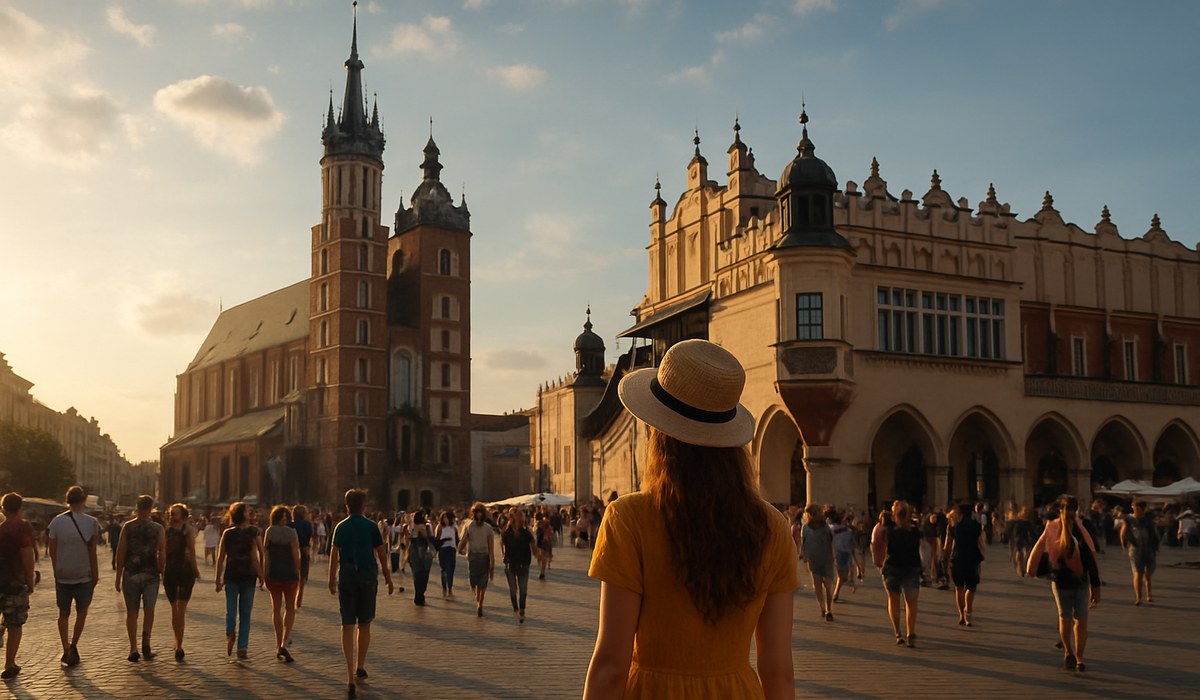
Image generated by AI
Poland is rewriting Europe's tourism narrative in 2026. Record-breaking visitor numbers, soaring international demand, and a reputation as the continent's most compelling value destination are fueling unprecedented growth. The nation's travel sector achieved 58.9 million total accommodation stays in 2025—an 11 percent surge—while foreign arrivals exceeded 21 million, signaling structural expansion beyond pandemic recovery.
Poland's Tourism Surge: By the Numbers
Poland tourism hits remarkable milestones as 2026 unfolds. According to Poland's national tourism authorities, the country welcomed 21 million foreign visitors in 2025, with total tourism revenue reaching approximately 165 billion złoty—nearly 5 percent of national gross domestic product. Eurostat rankings place Poland second in the European Union for growth in overnight accommodation stays, trailing only Malta with a 7 percent increase.
This performance represents more than statistical recovery. Industry analysts note that diversified visitor sources—from Germany, Czechia, the Netherlands, the United Kingdom, and increasingly from the Middle East and East Asia—reduce market dependency and sustain year-round demand. The shift reflects Poland's transition from niche Eastern European destination to competitive European mainstream. Lonely Planet recognizes this momentum, highlighting Poland among Europe's fastest-evolving travel markets for culture-seeking and budget-conscious travelers.
Best Time to Visit Poland in 2026
Poland tourism hits seasonal peaks during May through September, when warm temperatures and extended daylight hours maximize outdoor exploration. Summer brings festivals, open-air cultural events, and Baltic coastal activity, particularly around Gdańsk and the Hel Peninsula. Spring (April–May) and fall (September–October) offer moderate crowds, comfortable hiking conditions in the Tatras, and ideal city-break weather in Warsaw, Kraków, and Wrocław.
Winter (December–February) attracts fewer international visitors but rewards those seeking atmospheric old-town exploration, Christmas markets in Kraków and Gdańsk, and ski access near Zakopane. March 2026 data confirms that shoulder seasons (April and October) deliver the best value, with lower accommodation rates and shorter queues at heritage sites. Visit Poland's official tourism board for seasonal event calendars and regional recommendations.
Historic Cities Driving Cultural Tourism Momentum
Kraków, Warsaw, Gdańsk, and Wrocław anchor Poland's tourism revival through heritage architecture, museum density, and revitalized waterfronts. Kraków's Old Town recorded near-record hotel occupancy in 2025, with visitors combining medieval architecture tours with Jewish heritage sites and Auschwitz remembrance trips. Gdańsk's Motława riverside district attracts weekend leisure travelers seeking Baltic maritime history and contemporary dining scenes.
Warsaw's transformation into a leisure destination extends beyond business travel. The city now hosts international film festivals, contemporary art exhibitions, and music venues that appeal to younger demographics. Municipal data confirms that Małopolskie and Pomorskie regions—home to these flagship cities—capture tens of millions of annual overnight stays. Even smaller heritage centers like Lublin reported 2.2 million visitors in 2025, including over 500,000 international arrivals, demonstrating that Poland tourism hits across multiple urban tiers, not just traditional hotspots.
Nature, "Coolcations," and Outdoor Adventure Growth
Poland tourism hits outdoor markets as temperatures rise across Southern Europe. The country's temperate summers, mountain ranges, lake districts, and Baltic coastline position it as an alternative to Mediterranean destinations experiencing heat-wave frequency. This "coolcation" trend—seeking milder climates without sacrificing outdoor activities—drives growth in the Tatra Mountains, Masurian Lake District, and seaside resorts near Gdańsk.
The Hel Peninsula and Baltic coast resorts record stronger summer occupancy from German, Scandinavian, and British families. Zakopane, Poland's alpine hub, attracts Middle Eastern visitors valuing cooler temperatures, green landscapes, and alpine lodging at lower price points than Swiss or Austrian alternatives. Agritourism and eco-lodges represent emerging niche segments, with farm-stay bookings surging since 2023 as European travelers seek rural escapes and sustainable tourism models.
How to Get There: Air Hubs and Ground Access
Warsaw Chopin Airport (WAW) and Kraków International Airport (KRK) serve as primary entry points for international visitors. Both airports expanded direct flight routes in 2025–2026, with carriers including LOT Polish Airlines, Ryanair, and Wizz Air increasing capacity. From Western Europe, budget airlines offer competitive fares to both hubs, typically under €80 for return flights from major cities.
Ground infrastructure supports seamless onward travel. Rail networks connect Warsaw and Kraków to secondary cities within 2–4 hours; PKP (Polish Railways) tickets cost significantly less than Western European equivalents. Bus services via FlixBus provide affordable regional connectivity. For those valuing flexibility, car rental at airport counters offers access to rural heritage sites, lake regions, and mountain trailheads. TripAdvisor transportation guides recommend purchasing rail passes or booking intercity buses in advance during summer peak seasons.
Smart Travel Tips for Poland in 2026
Polish currency (złoty) offers stronger purchasing power than euros or pounds, making accommodation, dining, and attractions notably cheaper than Western Europe. Budget travelers find double rooms in heritage city centers for €40–70 nightly; restaurant meals average €6–12. Tourism growth has not yet inflated prices to Central European capitals' levels, though premium hotels and central Kraków locations command higher rates.
Book accommodations 4–6 weeks ahead during May–September to secure mid-range pricing and preferred locations near old towns. Purchase travel insurance covering medical emergencies; public healthcare excludes most foreign visitors. Download offline maps, as cellular coverage outside major cities remains inconsistent. Most restaurants in tourist zones accept cards, but smaller vendors require cash (złoty). Visit attractions during weekday mornings to avoid weekend crowds at Auschwitz, Kraków's Main Market Square, and Gdańsk's Artus Court. Learn basic Polish phrases; English proficiency varies outside city centers.
Poland Tourism Impact: Key Statistics Table
| Metric | 2024 Baseline | 2025 Actual | Growth Rate | Rank in EU |
|---|---|---|---|---|
| Total Accommodation Stays | 53.1 million | 58.9 million | +11% | 4th highest |
| Foreign Visitor Arrivals | 19.2 million | 21+ million | +9.4% | Rising |
| Tourism Revenue (złoty) | ~157 billion | ~165 billion | +5.1% | Top 10 |
| Overnight Stays Growth | 6.2% | 7% | +0.8pp | 2nd (after Malta) |
| Kraków Hotel Nights | 8.2 million | 8.9 million | +8.5% | Record regional |
| Lublin Foreign Visitors | 420,000 | 500,000+ | +19% | Emerging center |
What This Means for Travelers
Poland tourism hits affordability, accessibility, and authenticity—three factors reshaping European travel preferences in 2026. For budget-conscious explorers, this translates into concrete advantages:
-
Price Protection: Exchange rates and local pricing mean your travel budget stretches 30–40 percent further than in Western Europe. A €50-daily budget supports comfortable mid-range travel.
-
Reduced Overtourism: While cities attract crowds, Poland hasn't reached saturation. Booking accommodations outside peak weeks (April, May, September, October) avoids queues and preserves authentic neighborhood experiences.
-
Cultural Diversity: Single-destination trips no longer suffice. Combine Kraków's medieval heritage (4 hours by train) with Warsaw's contemporary arts scene and Gdańsk's Baltic maritime history without lengthy transfers or premium fares.
-
Seasonal Flexibility: Summer "coolcation" positioning expands travel seasons. June and September offer optimal weather with 15–20 percent cheaper rates than July–August.
-
Emerging Destinations: Bypass flagship cities for Lublin, Poznań, and Wrocław, where visitor services are expanding, authenticity remains high, and accommodation costs remain 20–30 percent below Kraków levels.
Frequently Asked Questions
Why does Poland tourism hits record highs in 2026? Poland tourism hits records due to diversified international demand (Germany, UK, Middle East, East Asia), competitive pricing versus Western Europe, improved air connectivity, and strong cultural attractions. The 11 percent accommodation growth in 2025 and 165 billion złoty tourism revenue reflect structural market expansion, not temporary trends.
When is the best time to visit Poland for fewer crowds and lower prices? April–May and September–October deliver optimal conditions: comfortable 15–20°C temperatures, shorter queues at heritage sites, and 15–20 percent lower accommodation rates than summer. Winter (December–February) offers atmospheric city experiences and Christmas markets, while July–August bring festivals but maximum crowds and peak pricing.
How much should I budget daily for travel in Poland? Budget travelers spend €40–60 daily (accommodation, meals, local transport, attraction entry). Mid-range travelers allocate €80–120 daily. Poland's złoty exchange rate and local pricing deliver 30–40 percent better value than Germany, Czech Republic, or Austria for equivalent experiences. Premium city-center hotels and fine dining increase costs proportionally.
Which Polish cities should I prioritize beyond Kraków and Warsaw? Gdańsk (Baltic maritime heritage, riverfront dining), Wrocław (market square, bridges, contemporary art), Poznań (Renaissance architecture, regional museums), and Lublin (Jewish heritage, emerging cultural scene) each offer 2–3 days of distinct experiences. Secondary cities deliver authentic neighborhoods, lower costs, and shorter queues than flagship destinations while contributing to Poland tourism hits across regions.
Related Travel Guides
- Chris Watson Travel Launches Two New U.S. Specialist Brands in 2026
- Green Corridors: Chile Launches 500-Kilometer Intermodal Freight Trial
- Volusia County Leads Sustainable Tourism Wave with Innovative Estuary Marine Eco-Tours in the Biodiverse Indian River Lagoon
Disclaimer
Disclaimer
This article is for informational and educational purposes only. It does not constitute legal, financial, or professional advice. While we strive to provide accurate and up-to-date information, travel policies, regulations, and conditions change rapidly. Always verify information with official sources before making travel decisions. Nomad Lawyer makes no representations about the accuracy, reliability, completeness, or suitability of the information provided. Readers should consult qualified professionals for advice specific to their circumstances. The views expressed in this article are those of the author and do not necessarily reflect the views of Nomad Lawyer.
Preeti Gunjan
Contributor & Community Manager
A passionate traveller and community builder. Preeti helps grow the Nomad Lawyer community, fostering engagement and bringing the reader experience to life.
Learn more about our team →