
Ending Tourism Greenwashing: Planeterra Unveils Global Community Positive Framework and Impact Toolkit 2026

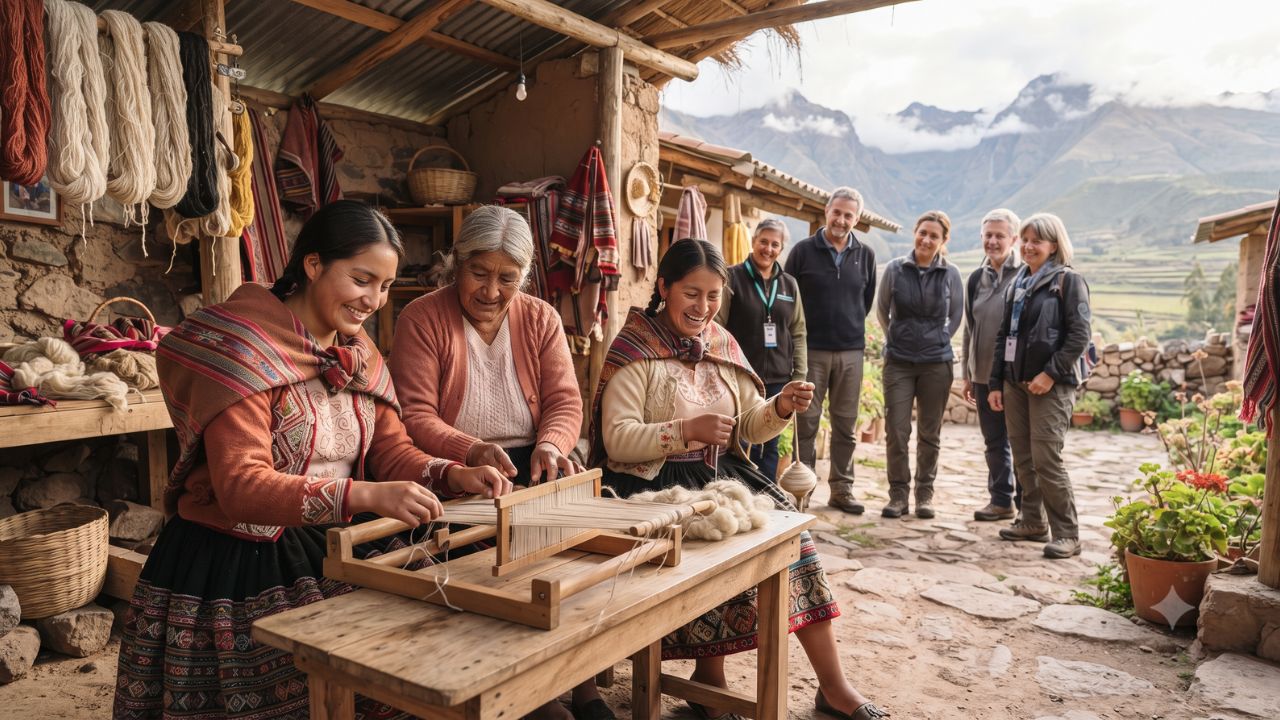
Unveiled on World Tourism Day, September 27, the Community Positive Framework created by non-profit organization Planeterra establishes the global travel sector's first unified, community-informed system to measure whether tourist spending genuinely improves local livelihoods. By replacing vague corporate marketing claims with two actionable industry resources—a foundational principles code and an empirical Impact Measurement Toolkit—the initiative shifts evaluation power directly to indigenous cooperatives, rural collectives, and grassroots host communities across the globe.
Shifting Power to Grassroots Host Communities
For decades, international travel companies promoted terms like "responsible" and "positive impact" without objective third-party verification. The new framework developed by Planeterra addresses this accountability gap by uniting Community Tourism Enterprises (CTEs), international development specialists, and global tour operators.
The rollout introduces two complementary accountability mechanisms:
- The Community Positive Framework: A codified baseline defining operational standards for tour operators, requiring democratic local ownership, fair living wages, preservation of intangible cultural heritage, and environmental guardianship.
- The Impact Measurement Toolkit: A standardized, data-driven methodology that tracks verifiable indicators—including household income gains, female workforce participation, clean water initiatives, and local school funding—turning abstract sustainability promises into auditable data.
What Makes Community-Owned Tourism Different
Unlike top-down corporate social responsibility programs where multinational hotel chains allocate minor donations to regional charities, authentic Community Tourism Enterprises (CTEs) place full managerial control in local hands. In villages across the Sacred Valley of Peru, northern Thailand, and eastern Kenya, local cooperatives manage homestays, artisanal workshops, culinary tours, and wilderness guiding services.
By prioritizing community autonomy, tourism revenues remain inside the local economy rather than leaking out to offshore booking platforms. Travelers engage in meaningful, reciprocal exchanges where traditional farming practices, ancestral weaving methods, and native conservation wisdom are shared with dignity.
Visitor Insider Tips: Identifying Genuine Community Enterprises
- Look for Transparent Revenue Disclosures: Genuine CTEs openly state what percentage of your tour fee goes directly to local families and community development funds versus administrative overhead.
- Verify Alignment with Recognized Standards: Seek out operators whose community projects align with guidelines verified by UN Tourism and the Global Sustainable Tourism Council (GSTC).
- Respect Local Governance and Customs: Always ask for permission before photographing residents or ceremonies, dress modestly in traditional villages, and purchase handicrafts directly from artisan cooperatives rather than commercial middlemen.
- Choose Small-Group Itineraries: Travel in small groups of 12 or fewer to prevent overwhelming rural village infrastructure, preserve intimate cultural dialogue, and minimize environmental footprints on village water and waste systems.
Cultural and Environmental Context
The global growth of community-centered travel directly supports biodiversity protection and heritage preservation. When rural and indigenous populations generate stable income from guided eco-walks and conservation hospitality, local communities gain viable economic alternatives to logging, poaching, or resource extraction.
Standardized measurement tools help ensure that rapid tourism growth does not lead to commercial exploitation or cultural dilution. By establishing clear impact baselines, host communities retain legal and operational authority over how their traditions are shared, preserving ancestral identities for future generations while welcoming conscious travelers.
FAQ: Understanding the Community Positive Framework 2026
What is the Community Positive Framework launched by Planeterra?
It is a global standard and impact toolkit launched on September 27 that defines, measures, and verifies the socioeconomic benefits of tourism from the perspective of local host communities.
What is a Community Tourism Enterprise (CTE)?
A CTE is a travel business—such as an artisanal workshop, homestay network, or guiding cooperative—owned, managed, and operated directly by local community members.
How does this framework help travelers avoid greenwashing?
The framework provides verifiable, data-driven impact metrics so travelers and tour operators can distinguish genuine community-supported programs from unsubstantiated marketing claims.
Why is local ownership important in sustainable tourism?
Direct ownership ensures travel profits stay within host communities to fund local healthcare, education, and environmental protection while giving residents control over their cultural heritage.
True sustainable tourism is measured not by glossy brochures, but by the dignity, prosperity, and self-determination of the communities who welcome us.
Related Travel Guides
- California's Mediterranean Escape: Catalina Island Launches Value Packages Across Avalon and Two Harbors 2026
- The Edge of the World: Tierra del Fuego Redefines Wilderness Travel Across Ushuaia, Tolhuin, and Río Grande 2026
- Spain Adds 12.8 Million Airline Seats for October: Italy Surges 12.2% as Autumn Travel Network Expands
Disclaimer
This article is for informational and educational purposes only. It does not constitute legal, financial, or professional advice. While we strive to provide accurate and up-to-date information, travel policies, regulations, and conditions change rapidly. Always verify information with official sources before making travel decisions. Nomad Lawyer makes no representations about the accuracy, reliability, completeness, or suitability of the information provided. Readers should consult qualified professionals for advice specific to their circumstances. The views expressed in this article are those of the author and do not necessarily reflect the views of Nomad Lawyer.
Kunal K Choudhary
Co-Founder & Contributor
A passionate traveller and tech enthusiast. Kunal contributes to the vision and growth of Nomad Lawyer, bringing fresh perspectives and driving the community forward.
Learn more about our team →