
Pilot Training Cost: Complete 2026 Guide to US Aviation Certification
Aspiring US airline pilots face pilot training costs ranging from $9,000 to $200,000+ in 2026. Learn licensing pathways, breakdown by certification type, and financing options for commercial aviation careers.

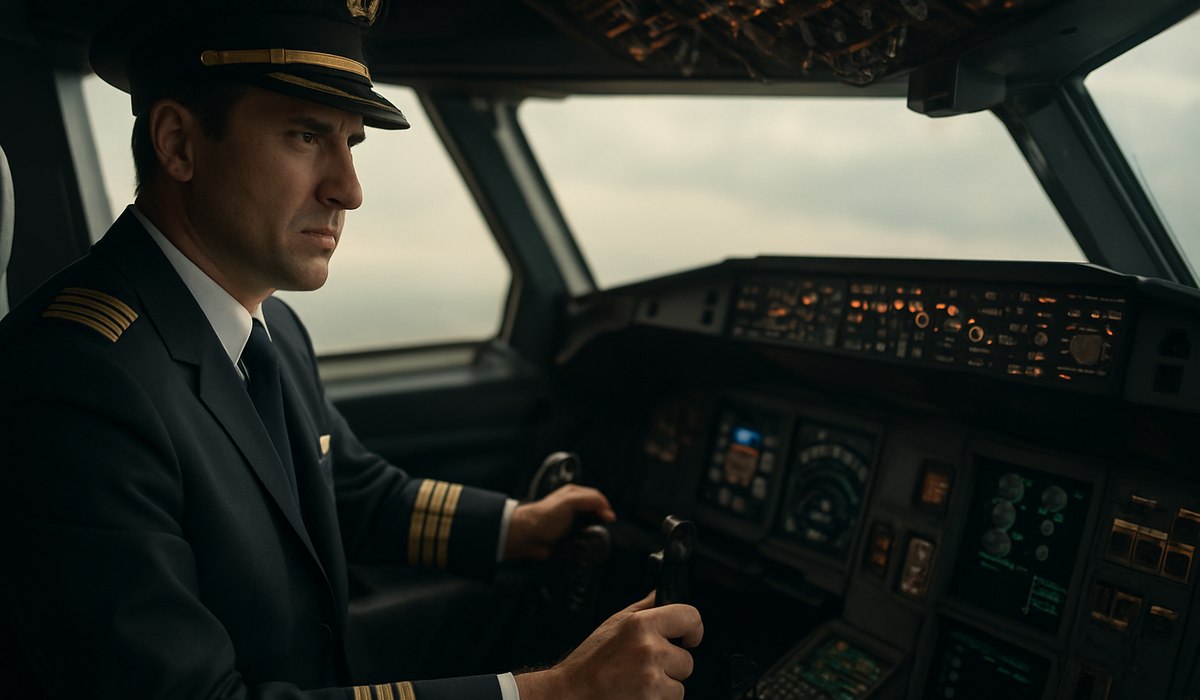
Image generated by AI
The True Cost of Becoming a US Airline Pilot in 2026
Aspiring pilots in the United States currently face total pilot training costs ranging from $9,000 to over $200,000, depending on their chosen aviation career trajectory and training institution. The final investment depends entirely on which licensing pathway candidates pursue and whether they opt for accelerated or traditional flight hour accumulation. Two distinct entry routes dominate the industry: the Private Pilot License (PPL) for recreational flying and the Commercial Pilot License (CPL) for paid aviation work. Pilots aiming for airline careers must additionally pursue the Airline Transport Pilot License (ATPL), requiring thousands of additional flight hours and substantial financial commitment. Understanding these pathways helps prospective aviators budget effectively for their aviation dreams.
Understanding Pilot License Types and Training Routes
The Federal Aviation Administration (FAA) recognizes three primary pilot certifications, each with escalating complexity and associated costs. The Private Pilot License represents the entry-level certification, allowing individuals to operate aircraft for personal use without compensation. This license typically requires 60–80 flight hours minimum, though most candidates need 70–100 hours to meet proficiency standards.
The Commercial Pilot License builds upon private certification, enabling pilots to earn income through aviation services like charter flights, cargo transport, or flight instruction. Commercial certification demands 250 total flight hours, including specific training in complex aircraft operations and advanced maneuvers. The Airline Transport Pilot License stands as the highest certification tier, required by the FAA for all airline captains and first officers. ATPL candidates must accumulate 1,500 flight hours minimum, demonstrating extensive experience across varied weather conditions and aircraft types.
Alternative training pathways exist for accelerated learning. Integrated flight training programs compress traditional timelines by combining ground school and flight instruction into focused curricula, often completed within 12–18 months. Modular training disperses education across longer periods, allowing candidates to balance flight instruction with work or financial recovery between phases.
Visit the FAA's official pilot certification page for comprehensive regulatory requirements and ongoing updates to licensing standards affecting your aviation training.
Breaking Down Pilot Training Cost by Certification Level
Private Pilot License costs typically range from $9,000 to $20,000 total. This includes approximately $3,000–$5,000 for ground school instruction, written exam preparation, and FAA knowledge test fees. Aircraft rental represents the largest expense at $150–$300 per flight hour, multiplied across 60–100 required hours. Instructor fees add $50–$100 per hour, while checkride examination costs run $500–$1,000 including examiner fees and aircraft rental.
Commercial Pilot License training demands $20,000 to $40,000 in total expenditures. Candidates building upon existing private licenses need 100+ additional flight hours at current rental rates. Advanced aircraft training increases hourly costs to $200–$400 as complex airplane systems require specialized equipment and instruction. Specialized training for commercial privileges—multi-engine endorsements, instrument ratings, and high-performance aircraft certification—adds $5,000–$15,000 depending on training intensity.
Instrument Rating certification, frequently pursued between commercial and airline certifications, costs $8,000–$15,000 independently. This rating requires 40+ flight hours under instrument conditions, specialized ground instruction, and rigorous checkride preparation. Many professional pilots view instrument ratings as essential safety credentials.
Airline Transport Pilot License preparation represents the costliest stage, ranging from $50,000 to $120,000+. Candidates must accumulate 1,500 flight hours minimum—roughly 1,250+ hours beyond commercial certification. At current market rental rates for complex, multi-engine training aircraft, flight hour costs alone exceed $200,000+ when pursuing straight training paths.
Financing Your Pilot Training: Scholarships and Alternative Pathways
Prospective pilots increasingly explore creative financing solutions to manage pilot training costs effectively. Military aviation represents an underutilized pathway: the U.S. Air Force, Navy, Marine Corps, and Coast Guard provide comprehensive pilot training at zero direct cost to aviators, though service commitments typically span 8–10 years post-training.
University-based aviation programs integrate pilot certifications into accredited degree pathways, offering financial aid packages and structured curricula. Programs at institutions like Embry-Riddle Aeronautical University, Purdue University, and the University of North Dakota combine flight training with engineering and business education. While tuition appears substantial upfront, institutional financial aid, federal student loans, and scholarships redistribute costs across multiple years, reducing immediate burden.
Private scholarships specifically supporting pilot training increasingly exist through aviation nonprofits and pilot associations. The Aircraft Owners and Pilots Association (AOPA) administers multiple scholarship programs targeting diverse demographics. Airlines themselves sponsor some training pathways: United Airlines operates Aviate, a pilot pathway program offering tuition assistance, housing support, and direct career placement upon certification completion.
Alternative financing models include flight training bank programs, enabling candidates to pay progressive installments as they advance through certification levels. Some flight schools partner with lending institutions offering specialized education loans for aviation training, occasionally at favorable rates compared to traditional student loans.
Women in Aviation: Increasing Diversity in Pilot Training Programs
Women represent approximately 5% of current airline pilot rosters in the United States, despite comprising roughly 47% of professional workforces overall. This disparity reflects historical barriers rather than capability limitations—women earn pilot certifications at equivalent proficiency levels as male counterparts.
Organizations like Women in Aviation International actively reduce financial and cultural obstacles to pilot certification for female aviators. Many scholarship programs now specifically allocate funding to women pursuing pilot licenses and advanced certifications. Airlines increasingly recognize diversity as operational advantage and competitive necessity, implementing mentorship programs and recruitment initiatives targeting female pilots.
Flight schools nationwide report rising enrollment among women, particularly in Midwestern and Coastal regions. Enhanced visibility of female airline captains and commercial aviators normalizes aviation careers for prospective women pilots, gradually shifting industry demographics toward greater representation.
Key Data: Pilot Training Cost Breakdown 2026
| Certification Level | Minimum Hours | Average Cost Range | Primary Expense Component |
|---|---|---|---|
| Private Pilot License | 60–100 hours | $9,000–$20,000 | Aircraft rental ($150–$300/hr) |
| Instrument Rating | 40+ hours | $8,000–$15,000 | Advanced navigation training |
| Commercial Pilot License | 100+ additional hours | $20,000–$40,000 | Complex aircraft rental ($200–$400/hr) |
| Multi-Engine Rating | 15+ hours | $4,000–$8,000 | Twin-engine aircraft training |
| Airline Transport Pilot | 1,250+ cumulative hours | $100,000–$200,000+ | 1,500+ total flight hours required |
| Complete Pathway (PPL→ATPL) | 1,500+ total hours | $150,000–$250,000+ | Cumulative certification progression |
What This Means for Travelers: Actionable Takeaways
Understanding pilot training costs provides valuable context for passengers evaluating airline safety investments and pilot compensation debates.
Numbered Traveler Action Checklist:
-
Recognize that airline pilots typically invest $150,000–$250,000+ in personal aviation education before earning airline employment, contextualizing their professional expertise and compensation.
-
Research airline pilot backgrounds when evaluating carrier safety records—many airlines highlight pilot training investments and experience metrics on corporate websites, demonstrating safety commitment.
-
Consider supporting aviation workforce development initiatives and pilot scholarship programs when booking flights with socially-conscious airlines that invest in talent pipeline development.
-
Use flight tracking services like FlightAware to
Disclaimer
This article is for informational and educational purposes only. It does not constitute legal, financial, or professional advice. While we strive to provide accurate and up-to-date information, travel policies, regulations, and conditions change rapidly. Always verify information with official sources before making travel decisions. Nomad Lawyer makes no representations about the accuracy, reliability, completeness, or suitability of the information provided. Readers should consult qualified professionals for advice specific to their circumstances. The views expressed in this article are those of the author and do not necessarily reflect the views of Nomad Lawyer.
Kunal K Choudhary
Co-Founder & Contributor
A passionate traveller and tech enthusiast. Kunal contributes to the vision and growth of Nomad Lawyer, bringing fresh perspectives and driving the community forward.
Learn more about our team →