
Premium Economy Comfort Ranking: Skytrax 2025 Winners Prioritize Service Over Legroom
Skytrax 2025 premium economy comfort ranking reveals top airlines excel in service quality and dining rather than legroom. Discover what truly defines premium economy success in 2026.

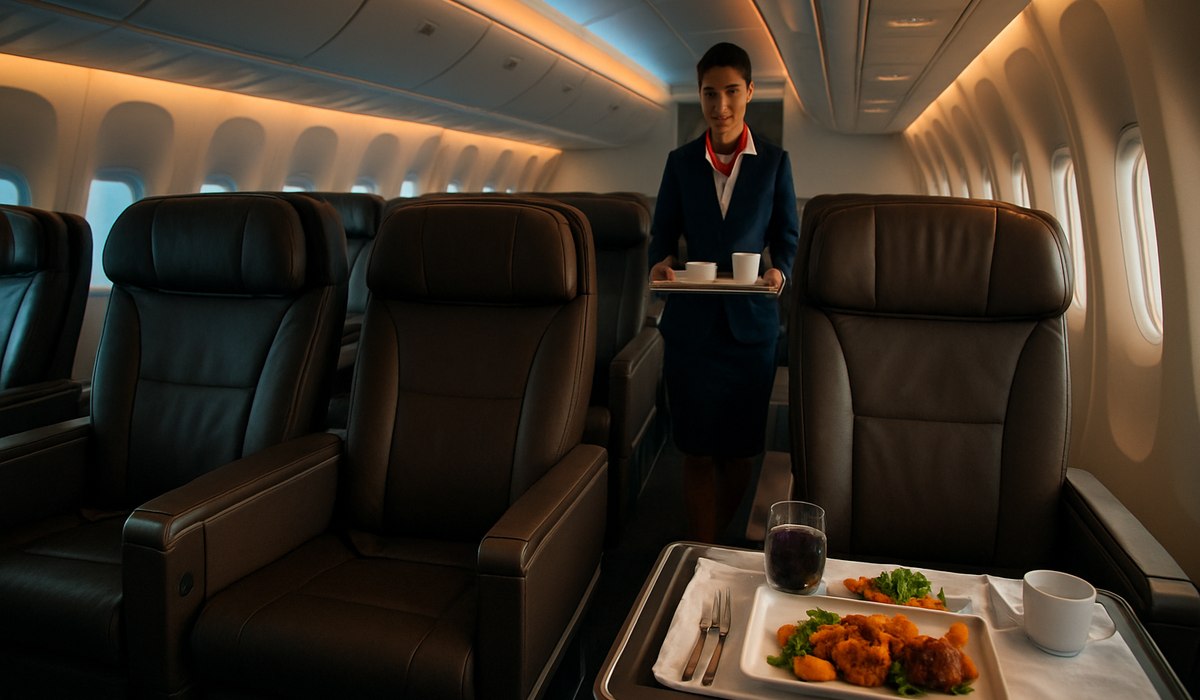
Image generated by AI
Skytrax 2025 Reveals Service Quality Trumps Legroom in Premium Economy Comfort Ranking
Skytrax's 2025 premium economy comfort ranking report has upended industry assumptions about what travelers truly value. According to the latest data, the world's most comfortable premium economy cabins don't necessarily offer the most legroom—instead, superior dining programs, attentive customer service, and comprehensive amenities define the winners. This shift challenges airlines to reconsider their product development strategy and highlights why "business-lite" travel has become increasingly popular among cost-conscious premium passengers seeking elevated experiences without lie-flat business-class prices.
The premium economy market continues expanding as airlines recognize growing demand from business travelers and affluent leisure passengers unwilling to pay full business-class fares. Yet comfort extends far beyond seat pitch measurements, according to Skytrax's comprehensive 2025 rankings methodology.
What Skytrax 2025 Reveals About Premium Economy
Skytrax's methodology for ranking premium economy comfort incorporates dozens of variables beyond simple legroom measurements. The 2025 report emphasizes that airlines achieving top positions prioritize holistic passenger experiences. Dining quality, seat material composition, cushioning technology, armrest design, and headrest support significantly influence final rankings.
The premium economy comfort ranking data demonstrates that spacious seating remains important—top-ranked carriers do offer competitive legroom. However, execution of dining programs, quality of amenities like noise-canceling headphones and premium bedding, and consistency of crew service determine ultimate passenger satisfaction scores.
Airlines investing heavily in premium economy have recognized this market segment as increasingly lucrative. Carriers can charge 30-50% more than standard economy without matching business-class pricing, creating attractive revenue opportunities. The Skytrax 2025 rankings reveal which airlines have optimized this middle tier effectively. Visit FlightAware to research specific airline cabin configurations before booking.
Beyond Legroom: The True Comfort Differentiators
Premium economy comfort ranking success depends on multiple comfort variables working harmoniously. Legroom matters, certainly, but seat width, recline functionality, and sleep surface quality often prove equally important for long-haul passengers.
Dining represents a primary differentiator in premium economy. Top-ranked airlines offer multi-course meals with quality ingredients, wine selections, and specialized dietary accommodations. Standard economy typically provides limited meal options, while premium economy bridges the gap with elevated culinary experiences. Several 2025 winners feature menus designed by renowned chefs.
Amenity kits significantly impact passenger perception. Premium economy passengers expect quality toiletries, compression socks, eyeshades, and noise-canceling headphones. Leading airlines provide amenity kits rivaling business-class standards, creating psychological value exceeding actual cost.
Crew service quality distinguishes premium cabins. Flight attendants trained specifically for premium economy can offer personalized attention. Superior recognition of passenger names, proactive beverage service, and genuine hospitality create emotional connections transforming journeys into memorable experiences.
Ground experience extends beyond cabin comfort. Premium economy passengers value dedicated check-in counters, lounge access, priority boarding, and baggage handling. Airlines recognizing that premium economy comfort begins at departure gates capture competitive advantages.
Top Airlines Winning on Service Quality
Skytrax 2025 premium economy comfort ranking included detailed analysis of airline performance across service dimensions. While Skytrax maintains proprietary scoring methodologies, the results clearly identify carriers excelling in hospitality, culinary programs, and operational consistency.
Airlines achieving top rankings typically operate modern aircraft with newer premium economy products. However, some carriers operating older cabins ranked highly through exceptional service delivery and attention to detail. This suggests that investment in crew training and operational processes sometimes outweighs cabin hardware investments.
International carriers dominating premium economy markets have generally invested more strategically in this segment than domestic-focused airlines. Long-haul specialists understand that premium economy passengers traveling 10+ hours require comprehensive comfort solutions combining physical space, sleep environment, nutrition, and service attentiveness.
Several Middle Eastern and Asian carriers have achieved top premium economy comfort ranking positions through aggressive product development and premium branding. These airlines recognize premium economy as strategically important revenue driver in their network development strategies.
How Premium Economy Compares to Economy Seats
Premium economy comfort ranking data reveals substantial differences between cabin classes. Standard economy seats typically offer 17-18 inches of width and 31 inches of pitch (distance between seat rows). Premium economy increases both dimensions significantly—usually 19-21 inches width and 38 inches pitch.
However, premium economy differentiation extends beyond measurements. Recline capability varies dramatically: standard economy seats often feature minimal recline (typically 6-7 inches), while premium economy typically offers 6-8 inches with better mechanics. Some premium products feature fully flat or near-flat beds, approaching business-class functionality.
Cushioning technology differs substantially between cabin classes. Economy seats feature basic foam construction, while premium economy invests in higher-density materials and contouring. These technical improvements reduce fatigue during ultra-long-haul flights.
Privacy represents another distinction. Premium economy often features dividers between seats or physical separation creating psychological space. Economy passengers sit shoulder-to-shoulder with neighbors, creating claustrophobia on long flights.
Premium economy passengers typically receive 2-3x more staff attention, resulting in better meal timing, beverage availability, and responsive service. This service premium often justifies premium economy pricing more than seat comfort alone.
Premium Economy Comfort Ranking: Key Data Comparison
| Factor | Standard Economy | Premium Economy | Business Class |
|---|---|---|---|
| Seat Width | 17-18 inches | 19-21 inches | 20-23 inches |
| Legroom (Pitch) | 31 inches | 38 inches | 76-78 inches |
| Recline Angle | 6-7 inches | 6-8 inches | 180 degrees (flat) |
| Meal Service | 1 option | 3-4 options | Multi-course |
| Amenity Kit | Basic | Premium | Luxury |
| Armrest Control | Shared | Individual | Individual |
| Power Outlets | Limited/Rare | Standard | Standard |
| Aisle Access | Varies | Easier | Direct |
| Lounge Access | No | Sometimes | Included |
| Checked Baggage | 1 piece | 2 pieces | 2 pieces |
What This Means for Travelers
Understanding premium economy comfort ranking criteria helps travelers make informed booking decisions. Here's how to maximize your premium economy experience:
1. Prioritize airlines with strong dining programs if you value culinary experiences. Research menu options and airline reviews before booking premium economy cabins.
2. Evaluate crew service ratings, not just seat specifications. Check passenger reviews on platforms like SkyTrax to assess hospitality quality.
3. Verify amenity kit inclusions when comparing premium economy fares. Comprehensive kits justify premium pricing through tangible comfort improvements.
4. Consider aircraft age and cabin refresh status. Newer premium economy products typically feature superior materials, technology, and design ergonomics.
5. Assess lounge access policies. Premium economy access to airline lounges adds value extending beyond aircraft cabins.
6. Check seat recline functionality. Verify whether your specific aircraft features power recline, manual recline, or limited recline options affecting sleep quality.
7. Compare actual pitch measurements rather than relying solely on cabin class names. Pitch varies significantly between airlines for premium economy products.
FAQ: Premium Economy Comfort Ranking Questions
Is premium economy worth the extra cost compared to standard economy?
Premium economy justifies additional expense for passengers flying flights exceeding 6-8 hours. The combination of enhanced seating, superior dining, amenities, and service creates noticeably improved comfort
Disclaimer
This article is for informational and educational purposes only. It does not constitute legal, financial, or professional advice. While we strive to provide accurate and up-to-date information, travel policies, regulations, and conditions change rapidly. Always verify information with official sources before making travel decisions. Nomad Lawyer makes no representations about the accuracy, reliability, completeness, or suitability of the information provided. Readers should consult qualified professionals for advice specific to their circumstances. The views expressed in this article are those of the author and do not necessarily reflect the views of Nomad Lawyer.
Raushan Kumar
Founder & Lead Developer
Full-stack developer with 11+ years of experience and a passionate traveller. Raushan built Nomad Lawyer from the ground up with a vision to create the best travel and law experience on the web.
Learn more about our team →