
Phong Nha-Kẻ Bàng Named Asia's Leading National Park 2026 as Vietnam Expands Eco-Tourism & Transboundary UNESCO Conservation
Phong Nha-Kẻ Bàng National Park wins Asia's Leading National Park 2026 at the World Travel Awards, highlighting Son Doong Cave expeditions and transboundary UNESCO expansion.

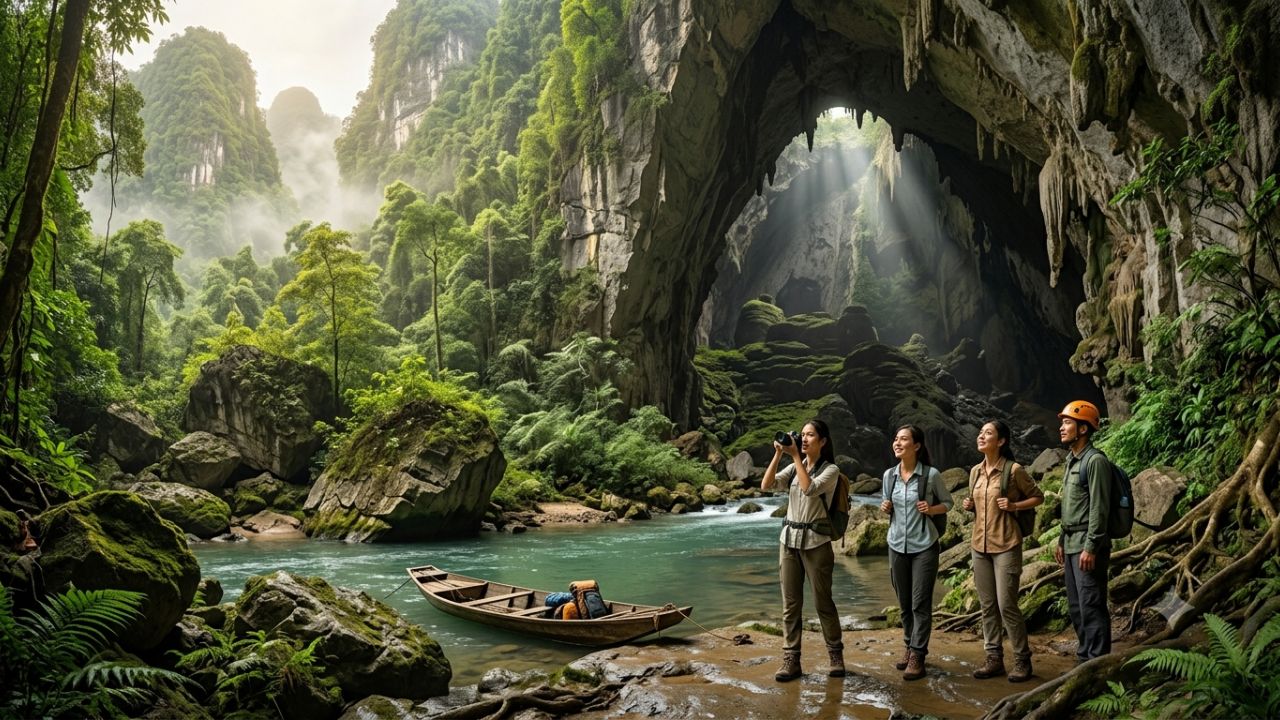
Source Vietnam Tourism
Phong Nha-Kẻ Bàng National Park in central Vietnam has been officially recognized as "Asia's Leading National Park 2026" and "Vietnam's Leading Nature Destination 2026" at the World Travel Awards in September 2026. Honored for its sustainable tourism framework and conservation initiatives, the UNESCO World Heritage property—home to Son Doong, the world's largest cave—is solidifying its standing as a premier global hub for eco-adventure and speleological exploration.
Situated in Quảng Bình Province along the Annamite Range near the Laos border, the park features a limestone karst system that evolved over approximately 400 million years. Spanning more than 220 kilometers of mapped subterranean rivers and caverns, the park preserves one of Asia's oldest intact karst environments.
World Heritage Cave Systems: Technical & Expedition Comparison
Phong Nha-Kẻ Bàng encompasses hundreds of documented caves, offering distinct entry requirements, physical demands, and geological features.
| Cave Designation | Primary Geological Attribute | Access Type & Tour Logistics | Visitor Profile & Difficulty Level |
|---|---|---|---|
| Son Doong Cave | World's largest cavern by volume; internal jungle & river | Multi-day expedition (strict permit limits via Oxalis) | Advanced wilderness trekkers; high physical fitness required |
| Hang En Cave | 3rd largest cave globally; massive natural entrance portal | 2-day jungle trek with overnight cavern camping | Moderate-to-high endurance trekkers; river-crossing routes |
| Phong Nha Cave | Subterranean river system extending 7.7 km | Wooden boat entry along the Son River from Phong Nha village | All fitness levels; family-friendly river cruise access |
| Paradise Cave (Thiên Đường) | Dry cave showcasing 31 km of intricate stalactites | Boardwalk walking tour; optional 7 km extended trek | General visitors (1 km boardwalk) to active hikers (7 km) |
[Dong Hoi Airport (VDH) / Train Station] ---> 45 km Overland (Hwy QL1A & TL2B) ---> [Phong Nha Village Hub]
                                                                                            |
            +-------------------------------------------------------+-----------------------+
            |                                                       |
            v                                                       v
[Son River Boat Dock (Phong Nha Cave)]            [Jungle Trailheads (Son Doong / Hang En)]
Biodiversity and Transboundary UNESCO Expansion: Laos Hin Nam No Integration
Beyond its subterranean networks, Phong Nha-Kẻ Bàng functions as a critical sanctuary for Indochinese flora and fauna. According to UNESCO scientific evaluations, the protected territory supports:
- Vascular Plants: Over 2,700 recorded plant species, including rare primary forest hardwoods and endemic orchids.
- Vertebrate Species: Approximately 800 vertebrate species, featuring globally threatened primates such as the Hatinh langur and the white-cheeked gibbon.
Following UNESCO's 2025 decision to expand the World Heritage designation across national borders, Phong Nha-Kẻ Bàng is now joined with Hin Nam No National Park in Laos. This transboundary protected corridor encompasses over 217,000 hectares of contiguous karst forest, establishing a unified conservation framework across the Annamite mountain chain.
Sustainable Management Framework and Local Community Integration
The recognition at the 2026 World Travel Awards reflects strict environmental controls designed to prevent over-tourism while creating local economic opportunities.
- Expedition Quotas: Permits for high-impact routes like Son Doong are strictly capped at 1,000 visitors annually, operating only between February and August to allow ecosystem recovery during the monsoon season.
- Community Employment: Local villagers from Son Trạch and neighboring communes are trained as certified guides, porters, safety experts, and park rangers, replacing former logging and poaching activities with sustainable tourism income.
- Low-Impact Infrastructure: Visitors to Paradise and Phong Nha caves utilize elevated wooden walkways and electric buggies to protect delicate limestone structures and prevent cave floor erosion.
Practical Traveler Logistics Guide: Access, Permits, and Seasonal Windows
For travelers organizing a expedition to Phong Nha-Kẻ Bàng in 2026, key transit and seasonal operational details include:
1. Transport Gateways and Transit Routes
- By Air: Fly into Đồng Hới Airport (VDH) via direct domestic flights from Hanoi (HAN) or Ho Chi Minh City (SGN). Shuttle buses and private taxis cover the 45 km distance to Phong Nha village in 60 minutes.
- By Rail: Vietnam Railways operates daily sleeper trains along the North-South Railway, stopping at Đồng Hới Railway Station.
2. Best Travel Windows and Seasonal Operations
- Dry Season (February to August): Ideal for all cave expeditions, trekking, and kayaking. Son Doong and Hang En tours operate exclusively during these months.
- Monsoon Season (September to November): Heavy rainfall leads to rising subterranean water levels. Many river caves close temporarily for safety, though dry caves like Paradise remain accessible.
3. Tour Booking & Permit Rules
- Independent Access: Phong Nha and Paradise caves permit walk-up ticket purchases at local visitor centers.
- Licensed Expeditions: Son Doong, Hang En, and Tu Lan cave tours must be booked months in advance through officially licensed operator Oxalis Adventure, which handles park permits and medical clearances.
FAQ: Phong Nha-Kẻ Bàng National Park 2026
Which awards did Phong Nha-Kẻ Bàng win at the 2026 World Travel Awards?
The park was voted "Asia's Leading National Park 2026" and "Vietnam's Leading Nature Destination 2026."
What makes Son Doong Cave famous globally?
Son Doong is recognized as the world's largest cave by volume, featuring passages over 200 meters high, internal rainforests, underground rivers, and its own localized weather systems.
What is the transboundary UNESCO area connected to Phong Nha-Kẻ Bàng?
In 2025, UNESCO expanded the heritage site to include Hin Nam No National Park in Laos, creating a 217,000-hectare cross-border protected karst ecosystem.
How do visitors get to Phong Nha-Kẻ Bàng from Hanoi or Da Nang?
Travelers take a domestic flight or sleeper train to Đồng Hới, followed by a 45-minute bus or taxi transfer west to Phong Nha village.
Related Travel Guides
Disclaimer
This article is for informational and educational purposes only. It does not constitute legal, financial, or professional advice. While we strive to provide accurate and up-to-date information, travel policies, regulations, and conditions change rapidly. Always verify information with official sources before making travel decisions. Nomad Lawyer makes no representations about the accuracy, reliability, completeness, or suitability of the information provided. Readers should consult qualified professionals for advice specific to their circumstances. The views expressed in this article are those of the author and do not necessarily reflect the views of Nomad Lawyer.
Kunal K Choudhary
Co-Founder & Contributor
A passionate traveller and tech enthusiast. Kunal contributes to the vision and growth of Nomad Lawyer, bringing fresh perspectives and driving the community forward.
Learn more about our team →