
Phoenix Sky Harbor Delays: 163 Flights Disrupted April 11, 2026
Phoenix Sky Harbor logged 163 flight delays and two cancellations on April 11, 2026, disrupting major domestic routes and revealing systemic vulnerabilities across the network during peak spring travel season.

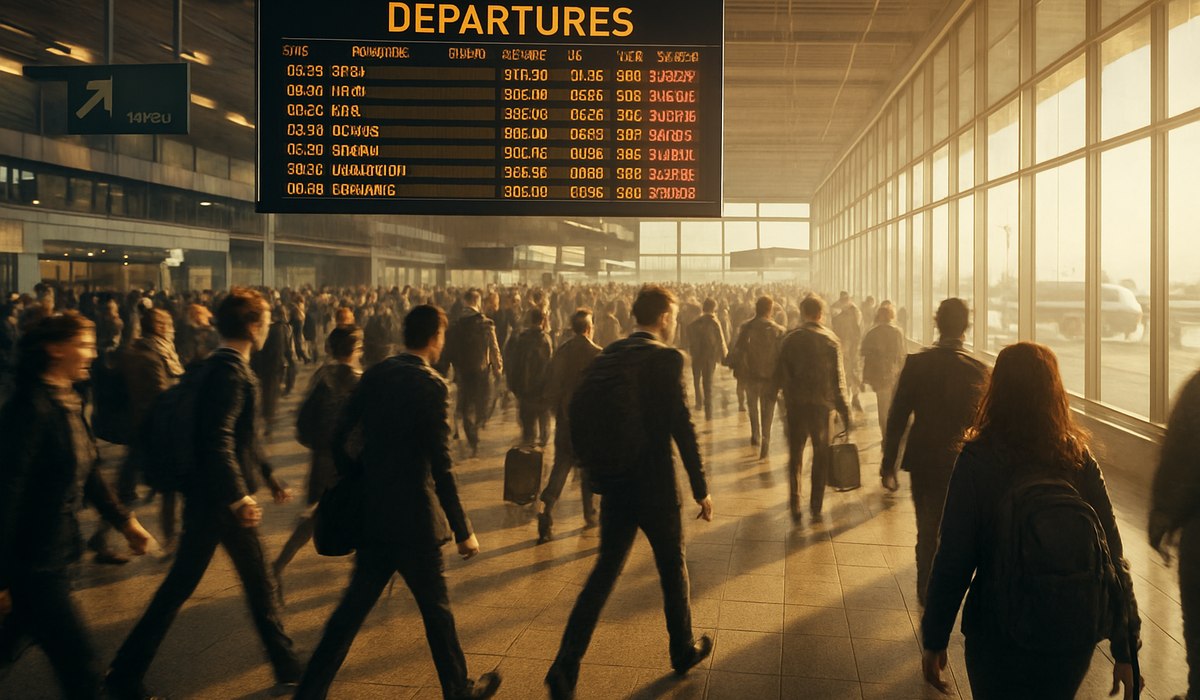
Image generated by AI
Phoenix Sky Harbor Experiences Major Operational Disruption
Phoenix Sky Harbor International Airport recorded 163 delayed flights and two cancellations on Saturday, April 11, 2026, disrupting connections across the nation's most critical domestic corridors. The disruption rippled through major carriers including American Airlines, Southwest Airlines, and JetBlue, affecting both departures and arrivals throughout the day. While the Arizona hub typically manages high spring travel volumes efficiently, this incident exposed systemic vulnerabilities in network resilience during peak weekend operations. Most affected flights eventually departed, though many passengers faced significant delays, missed connections, and late-evening arrivals at their final destinations. The incident highlights how localized airport disruptions can escalate into network-wide challenges affecting travelers nationwide.
Network-Wide Ripple Effects from Arizona Hub Delays
Phoenix Sky Harbor serves as a critical connecting hub for three major airlines, making it uniquely vulnerable to cascade delays. The April 11 disruptions proved particularly consequential because of the airport's role feeding high-traffic corridors to Chicago O'Hare, New York-area airports, and Los Angeles International. When Phoenix departures ran late, they created secondary delays at already-congested arrival banks in these major metropolitan areas, compressing aircraft turnaround times and limiting operational flexibility.
American Airlines, which maintains substantial operations at Sky Harbor, appeared most exposed to knock-on effects across its network. Delayed Phoenix departures headed for Chicago and New York-area airports added strain to afternoon and evening arrival waves. Southwest Airlines and JetBlue services linking Phoenix with West Coast destinations experienced similar disruption patterns. Industry observers noted that even modest individual delays accumulated into significant systemwide performance degradation when multiplied across dozens of concurrent flights.
Check FlightAware for real-time tracking of ongoing disruptions and recovery patterns at major hubs.
Weather and Staffing Constraints Drive Spring Travel Challenges
The April 11 disruptions fit into a broader pattern affecting U.S. aviation throughout early spring 2026. Multiple industry reports indicate that the spike resulted from a combination of weather systems, staffing constraints, and tightly packed spring schedules rather than isolated airport-specific issues. Interestingly, Federal Aviation Administration data showed relatively stable airfield conditions and weather at Phoenix itself during the disruption window.
This disconnect underscores a critical reality: localized delays often stem from network-wide constraints rather than immediate ground conditions. Phoenix Sky Harbor's position within American's, Southwest's, and JetBlue's networks means that delays originating elsewhere cascade into Arizona operations. Additionally, tight scheduling margins throughout the spring season meant that minor disruptions compressed into major service interruptions by day's end. Recent federal government staffing challenges had earlier strained checkpoint operations at Sky Harbor, though security wait times had stabilized to under 10 minutes by the second week of April.
Travelers should consult the FAA for official guidance on system status and weather-related delays.
What Passengers Should Know About Flight Resilience
The April 11 incident at Phoenix Sky Harbor demonstrates why passengers should build operational flexibility into spring travel plans. Gate-hold announcements and rolling schedule changes characterized the day, with many travelers caught between improving security checkpoint flows and deteriorating flight reliability. While checkpoint wait times had improved significantly from earlier March levels, the operational disruptions proved more disruptive to actual travel completion.
For passengers affected by delays, understanding your rights becomes essential. The Department of Transportation maintains clear guidelines on airline compensation and passenger protections during disruptions. Missed connections, meal vouchers, and rebooking options are standard protections airlines must honor. Many travelers successfully rebooked onto evening flights, though some faced cascading delays extending into the following day.
The incident reinforces that even well-managed airports face unprecedented network strain during peak seasons. Building three-to-four-hour connection windows on major routes, arriving early for security screening, and maintaining flexible ticket options provides meaningful protection against surprise delays.
Review your passenger protections through the U.S. Department of Transportation before traveling through major hubs.
Traveler Action Checklist
When facing Phoenix Sky Harbor delays or disruptions at similar major hubs, follow these evidence-based steps:
-
Check real-time status immediately: Visit FlightAware or your airline's app before arriving at the airport to understand actual delay magnitude.
-
Document everything: Photograph boarding passes, gate announcements, and delay notifications for potential compensation claims with your airline or DOT.
-
Contact your airline directly: Call their 1-800 number rather than waiting in airport queues; phone representatives have more rebooking options.
-
Request written delay confirmation: Ask for official delay documentation showing departure and arrival times; this strengthens compensation requests.
-
Know your meal and accommodation rights: Airlines must provide meals, hotels, and ground transportation for delays exceeding specific thresholds; these vary by carrier and delay length.
-
Understand compensation eligibility: Review DOT rules on when airlines must compensate passengers; international flights have different thresholds than domestic service.
-
File complaints promptly: Report significant disruptions to the DOT within 60 days if your airline refuses compensation you believe you're entitled to.
Phoenix Sky Harbor Delay Data Summary
| Metric | Value | Impact |
|---|---|---|
| Total delayed flights (April 11) | 163 | Network cascade effects across three major carriers |
| Cancellations | 2 | Minimal but concentrated among regional routes |
| Primary affected airlines | American, Southwest, JetBlue | Affects most transcontinental connections |
| Major affected routes | PHX-ORD, PHX-JFK, PHX-LAX | Secondary delays in Chicago, New York, Los Angeles |
| Typical checkpoint wait times | Under 10 minutes | Improved from March levels following TSA staffing recovery |
| Weather status during disruption | Stable/clear | Suggests network-driven rather than local causes |
| Most affected time window | Afternoon-evening banks | Cascading delays compress recovery windows |
What This Means for Travelers
The April 11 Phoenix Sky Harbor disruptions deliver several critical lessons for spring and summer travelers. First, operational resilience at major hubs remains fragile despite historical reliability improvements. When network capacity reaches saturation during peak seasons, minor local disruptions amplify into significant systemwide challenges affecting thousands of passengers.
Second, checkpoint improvements at major airports don't guarantee overall travel reliability. Security wait times at Sky Harbor improved dramatically by early April, yet flight operations deteriorated. Travelers must account for both security and operational variables in their planning.
Third, connecting through major Arizona or Southwest hubs carries elevated risk during peak seasons. Building longer connection windows, maintaining flexible tickets, and understanding passenger compensation rights provide meaningful protection.
Actionable steps: Book morning rather than afternoon flights to reduce cascade risk; avoid tight connections under three hours at major hubs; purchase refundable or flexible tickets during spring and summer; join airline loyalty programs for priority rebooking access; download offline copies of airline contact information and DOT passenger rights documents before travel.
Frequently Asked Questions
Q: Will Phoenix Sky Harbor experience similar disruptions again this spring?
A: Spring travel volumes continue climbing, maintaining system stress at major hubs. April 11's disruption represents normal operating risk for high-capacity weekends rather than unprecedented crisis. Expect elevated delay probability on Saturdays and Sundays through May and June.
Q: What compensation can I claim for April 11 delays?
A: Compensation eligibility depends on delay length and your airline. Delays exceeding three hours on domestic flights may qualify for vouchers, meals, and hotel accommodations under DOT rules. Airlines must provide written documentation. Contact the U.S. Department of Transportation if your airline refuses compensation.
**Q: Should I avoid
Disclaimer
This article is for informational and educational purposes only. It does not constitute legal, financial, or professional advice. While we strive to provide accurate and up-to-date information, travel policies, regulations, and conditions change rapidly. Always verify information with official sources before making travel decisions. Nomad Lawyer makes no representations about the accuracy, reliability, completeness, or suitability of the information provided. Readers should consult qualified professionals for advice specific to their circumstances. The views expressed in this article are those of the author and do not necessarily reflect the views of Nomad Lawyer.
Preeti Gunjan
Contributor & Community Manager
A passionate traveller and community builder. Preeti helps grow the Nomad Lawyer community, fostering engagement and bringing the reader experience to life.
Learn more about our team →