
Philadelphia Airport Travel Nightmare: 124 Flights Delayed, 6 Canceled as American Airlines, Southwest, United Strand Thousands to New York, Boston
Philadelphia International Airport descends into chaos with 124 flight delays and 6 cancellations affecting American Airlines, Southwest, and United. Thousands stranded during spring break travel surge.

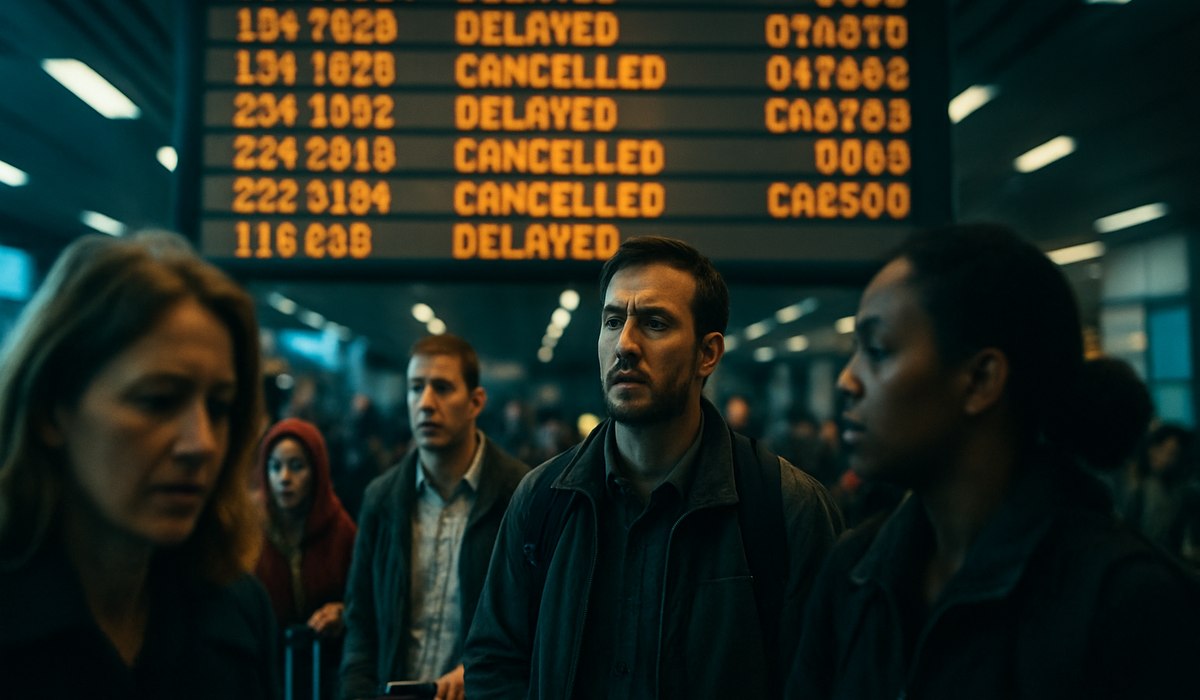
Image generated by AI
Philadelphia Airport Travel Nightmare: 124 Flights Delayed, 6 Canceled as American Airlines, Southwest, United Strand Thousands
Philadelphia International Airport has descended into complete chaos as 124 flights face significant delays and 6 flights have been canceled outright, leaving thousands of passengers stranded and scrambling to salvage their travel plans. The disruption, occurring during the peak spring break and Easter holiday travel season, has created a domino effect of cancellations and rebooking nightmares across major East Coast destinations including New York, Boston, Washington D.C., and beyond, with international routes to Europe and the Caribbean also severely impacted.
The scale of this travel disruption at Philadelphia International Airport—one of the busiest aviation hubs in the United States—underscores the fragility of modern air travel infrastructure during peak demand periods. Passengers arriving at PHL expecting smooth departures instead encountered endless queues, frustrated airline staff, and mounting uncertainty about when they would actually reach their destinations. The Federal Aviation Administration (FAA) has been closely monitoring the situation, with air traffic management systems working overtime to process the backlog of delayed flights throughout the day.
The Perfect Storm: What Triggered the Chaos at Philadelphia International
The exact catalyst for this unprecedented travel disruption remains somewhat murky, though airport officials and the FAA have attributed the cascading delays to a combination of severe weather conditions, dramatically increased air traffic volume, and operational inefficiencies that have overwhelmed Philadelphia International Airport's capacity. The convergence of spring break travelers, Easter holiday passengers, and routine operational challenges created the perfect storm for this aviation crisis. According to the Federal Aviation Administration's official air traffic management updates, PHL has been experiencing sustained pressure that has rippled across the entire Northeast corridor, affecting connectivity to major hubs and regional airports alike.
The three major carriers operating extensively through Philadelphia—American Airlines, Southwest Airlines, and United Airlines—have borne the brunt of passenger frustration as their flight schedules have been decimated by delays and cancellations. American Airlines, which maintains a significant presence at PHL as a major hub, has been particularly hard hit, with dozens of flights to New York's LaGuardia and Newark airports, Boston Logan International, and Washington Dulles experiencing substantial delays. Southwest Airlines passengers heading to popular leisure destinations have faced similar predicaments, while United Airlines flights connecting through Philadelphia to transcontinental and international routes have also suffered significant disruptions.
Thousands Stranded: The Human Cost of Airport Chaos
The human impact of this travel disruption cannot be overstated. Families separated by canceled flights, business travelers missing critical meetings, and holiday-bound passengers watching their vacation windows close have all become casualties of this operational breakdown at Philadelphia International Airport. The airport's terminals have been overwhelmed with frustrated travelers seeking answers from customer service representatives, many of whom have been unable to provide concrete rebooking timelines or compensation details. According to the U.S. Department of Transportation's consumer protection guidelines, passengers are entitled to compensation for substantial delays, yet many travelers remain unaware of their rights or unable to access the necessary information amid the chaos.
The ripple effects extend far beyond the airport terminals themselves. Hotels in Philadelphia, New York, Boston, and other affected destinations have seen unexpected demand spikes as stranded passengers scramble for overnight accommodations. Ground transportation services, rental car agencies, and ride-sharing platforms have experienced surge pricing as thousands of displaced travelers seek alternative ways to reach their final destinations. The broader tourism ecosystem—already fragile in the post-pandemic recovery period—faces additional headwinds as this travel disruption creates negative sentiment and uncertainty among potential visitors to the Northeast region.
What Travelers Must Do Now: Navigating the Disruption
Passengers currently at Philadelphia International Airport or scheduled to depart in the coming days must take immediate action to protect their travel plans and financial interests. First and foremost, travelers should continuously monitor their flight status through the Philadelphia International Airport's official website and their respective airline apps, as the situation remains fluid with additional delays and potential cancellations possible throughout the day. Those with canceled flights should immediately contact their airline's customer service to explore rebooking options on the next available flights, whether with the same carrier or through interline agreements with partner airlines.
Passengers experiencing substantial delays—typically defined as two hours or more for domestic flights—should inquire about meal vouchers, hotel accommodations if an overnight stay becomes necessary, and travel credits or compensation as outlined in the Department of Transportation's regulations. American Airlines, Southwest Airlines, and United Airlines all maintain customer service desks at Philadelphia International Airport staffed with representatives who can assist with rebooking and compensation claims. For those planning future travel through PHL, arriving significantly earlier than normal is essential, as security lines and check-in queues are expected to remain congested for the foreseeable future as the airport works through the backlog of delayed passengers.
Related Travel Guides
Disclaimer
This article is for informational and educational purposes only. It does not constitute legal, financial, or professional advice. While we strive to provide accurate and up-to-date information, travel policies, regulations, and conditions change rapidly. Always verify information with official sources before making travel decisions. Nomad Lawyer makes no representations about the accuracy, reliability, completeness, or suitability of the information provided. Readers should consult qualified professionals for advice specific to their circumstances. The views expressed in this article are those of the author and do not necessarily reflect the views of Nomad Lawyer.
Raushan Kumar
Founder & Lead Developer
Full-stack developer with 11+ years of experience and a passionate traveller. Raushan built Nomad Lawyer from the ground up with a vision to create the best travel and law experience on the web.
Learn more about our team →