
Peru, Bolivia and Chile Unite as 15-Day South American Journeys Reveal New Era of Immersive Travel
Peru, Bolivia and Chile Unite as 15-Day South American Journeys Reveal New Era of Immersive Travel

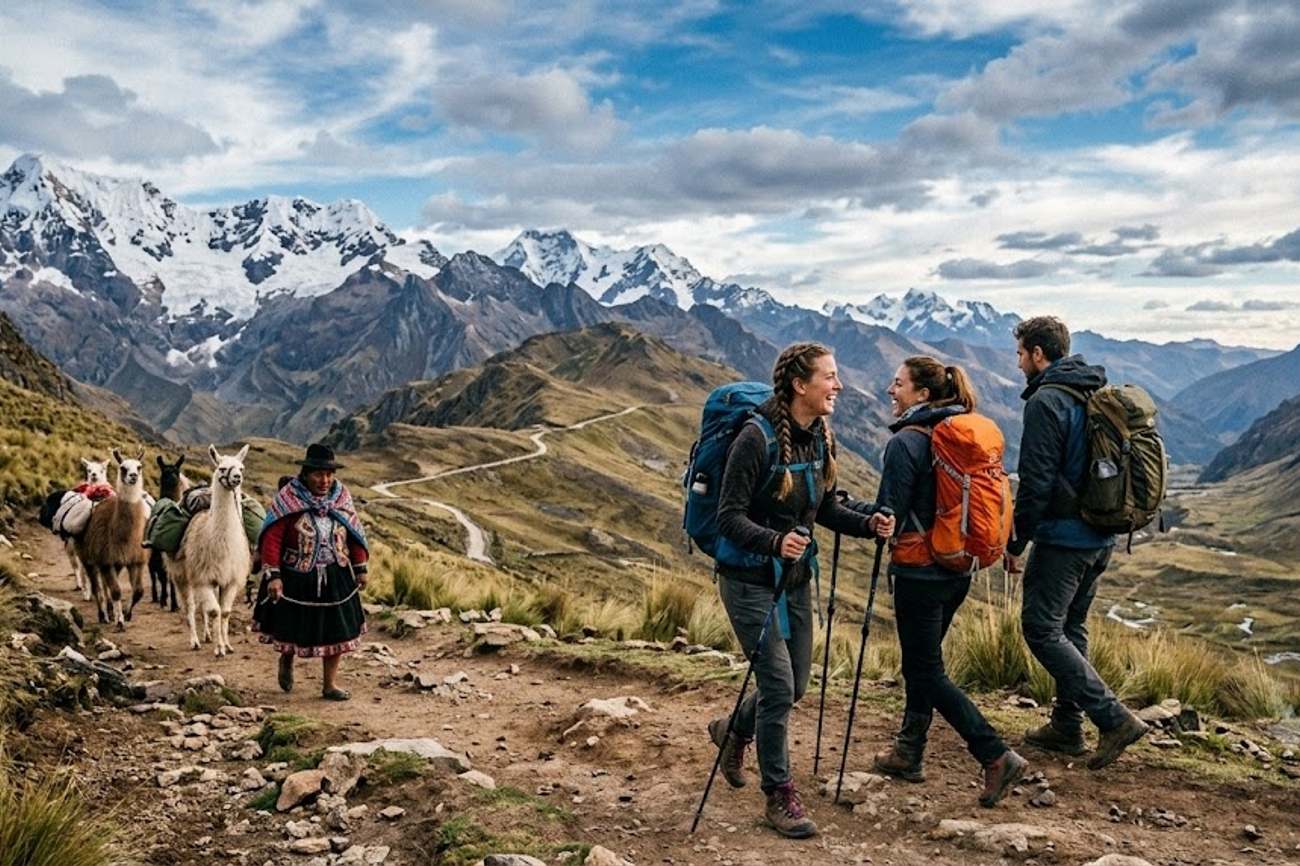
Image generated by AI
The most striking shift in Andean travel is not a new destination, but a new clock: the rise of the 15-day minimum itinerary. While the previous decade was defined by "hit-and-run" tourism—flying into Cusco for a quick glimpse of Machu Picchu before departing—a new movement of immersive travel is pushing visitors to commit to extended, multi-country journeys that link Peru, Bolivia, and Chile into a single, cohesive narrative.
The Shift Toward Andean Slow Travel
For years, the South American circuit was fragmented. Travelers would either pick a single country or rush through three in a week, sacrificing depth for checklists. Now, the industry is pivoting. There is a growing demand for journeys that prioritize local connections over sightseeing, leading to the development of specialized routes that span at least 15 days.
This isn't just about adding more days to a calendar; it is a structural change in how the region is experienced. By integrating the cultural heart of Peru, the surreal altitudes of Bolivia, and the stark minimalism of Chile, these journeys allow for a psychological transition. Travelers move from the archaeological intensity of the Sacred Valley to the silent, reflective expanses of the Altiplano, ending in the lunar vistas of the Atacama. This progression mirrors the actual geography of the Andes, providing a sense of place that a short-stay visit simply cannot replicate.
What Makes the Tri-Country Circuit Different
The magic of combining Peru, Bolivia, and Chile lies in the contrast of their "extremes." Each country provides a distinct sensory experience that complements the others.
In Peru, the focus is on the intersection of human history and nature. The Cusco region and the Sacred Valley are not just sites of ruins but living museums where Quechua traditions remain central to daily life. Visiting Lake Titicaca, the highest navigable lake in the world, serves as the perfect bridge between the Peruvian and Bolivian experiences, as the water ignores national borders.
Crossing into Bolivia introduces a landscape that feels extraterrestrial. The Salar de Uyuni is the crown jewel here—a salt flat so vast and reflective that it challenges a visitor's perception of the horizon. It is a place of absolute silence and stark white geometry, providing a meditative contrast to the crowded trails of Machu Picchu.
The journey culminates in Chile’s Atacama Desert. While Bolivia is about the surreal, Chile is about the raw power of the earth. The Atacama is one of the driest places on the planet, offering a clarity of sky that makes it a global epicenter for astronomy. The transition from the lush valleys of Peru to the salt plains of Bolivia and finally to the red rocks of Chile creates a complete ecological and cultural arc.
Visitor Insider Tips
Navigating three countries in 15 days requires more than just a ticket; it requires a strategy to avoid burnout and "temple fatigue."
Timing and Altitude Strategy The biggest mistake visitors make is rushing the ascent. To avoid altitude sickness (soroche), spend your first three days in the Sacred Valley—which sits lower than Cusco—before attempting the higher reaches of Lake Titicaca or the Bolivian Altiplano. If you are heading to the Salar de Uyuni, ensure you have a full 48 hours of hydration and rest before venturing into the salt flats.
The Logistics of the Border Crossing from Peru to Bolivia and then into Chile can be a bureaucratic headache if you aren't prepared. Always carry physical copies of your passport and entry visas. For those using local transport, the route from Puno (Peru) to La Paz (Bolivia) is the most scenic, but booking through a specialized receptive agency is the only way to ensure seamless transitions between these borders.
These multi-country itineraries leverage streamlined regional connectivity to move travelers between the Andean highlands and the Pacific coast. For updated entry requirements and visa protocols across these borders, travelers should consult the official resources provided by PROMPERÚ, the national tourism board of Peru.
Regional Flavities to Seek Beyond the standard fare, look for Cuy (guinea pig) in the Peruvian highlands, but seek out Sopa de Maní (peanut soup) in La Paz. In the Atacama, prioritize fresh seafood in the coastal towns before heading back into the desert interior.
Where to Base Yourself Instead of staying in the tourist centers of Cusco or San Pedro de Atacama, look for boutique lodges in the Urubamba Valley or eco-stays on the outskirts of Uyuni. This puts you closer to the local rhythms and away from the "souvenir shop" atmosphere. For more official guidance on entry requirements, check the Peru Travel official portal.
Cultural and Environmental Context
The shift toward longer, more personalized journeys is not just a luxury trend; it is a necessary evolution for the preservation of the Andes. Mass tourism—characterized by thousands of people descending on Machu Picchu for a few hours—creates immense pressure on local infrastructure and degrades the spiritual significance of the sites.
By encouraging 15-day itineraries, the tourism industry is effectively redistributing the economic benefit. When travelers spend two weeks across three countries, they spend money in smaller villages, stay in locally-owned guesthouses, and engage with artisans in the Sacred Valley and the Altiplano. This moves the economic needle away from large international hotel chains and toward the community.
However, this expansion brings environmental challenges. The Salar de Uyuni and the Atacama Desert are fragile ecosystems. The increase in 4x4 vehicle traffic can lead to soil erosion and pollution in areas where nature takes decades to recover. There is a growing movement toward "low-impact" exploration, encouraging visitors to use certified guides who adhere to the strict conservation guidelines set by UNESCO World Heritage for sites like the historic sanctuary of Machu Picchu.
The pandemic acted as a catalyst for this change. It forced agencies to move away from their traditional European-centric markets and rethink the "package tour." The result is a more globalized approach to Andean travel, where the focus has shifted from "seeing the sights" to "understanding the region."
FAQ: Visiting Peru, Bolivia, and Chile 2024
What is the best time to visit this three-country circuit? The dry season from May to October is ideal. This avoids the heavy rains in the Peruvian Andes and ensures the clearest skies for stargazing in the Atacama Desert and visiting the salt flats in Bolivia.
Do I need separate visas for Peru, Bolivia, and Chile? Visa requirements vary by nationality. While many Western passports enter visa-free, Bolivia often requires a specific visa or a "visa on arrival" fee for certain nationalities. Always verify current requirements via official embassy websites before departure.
How do I get between these three countries efficiently? The most immersive way is via a combination of private transfers and regional flights. A common route is flying into Lima, traveling overland to Cusco and Puno, crossing into Bolivia to visit La Paz and Uyuni, and then taking a 4x4 expedition across the border into Chile's Atacama.
Is it safe for solo travelers to do this 15-day journey? Yes, but it is highly recommended to use a receptive agency or a guided tour for the Bolivia-Chile crossing. The remote nature of the Altiplano and the Atacama makes independent navigation difficult and potentially dangerous due to altitude and isolation.
The Andes are not a checklist; they are a conversation between the earth and the sky that requires time to hear.
Related Travel Guides
Disclaimer
This article is for informational and educational purposes only. It does not constitute legal, financial, or professional advice. While we strive to provide accurate and up-to-date information, travel policies, regulations, and conditions change rapidly. Always verify information with official sources before making travel decisions. Nomad Lawyer makes no representations about the accuracy, reliability, completeness, or suitability of the information provided. Readers should consult qualified professionals for advice specific to their circumstances. The views expressed in this article are those of the author and do not necessarily reflect the views of Nomad Lawyer.
Preeti Gunjan
Contributor & Community Manager
A passionate traveller and community builder. Preeti helps grow the Nomad Lawyer community, fostering engagement and bringing the reader experience to life.
Learn more about our team →