
Penn Station Rail Standstill Declared as Secaucus Trackside Brush Fire Erupts Near Hudson River Tunnels, Spurring Intense Infrastructure Scrutiny: New Travel Alert
A Secaucus trackside brush fire triggers a massive Penn Station rail standstill, prompting urgent signaling inspections and infrastructure scrutiny.

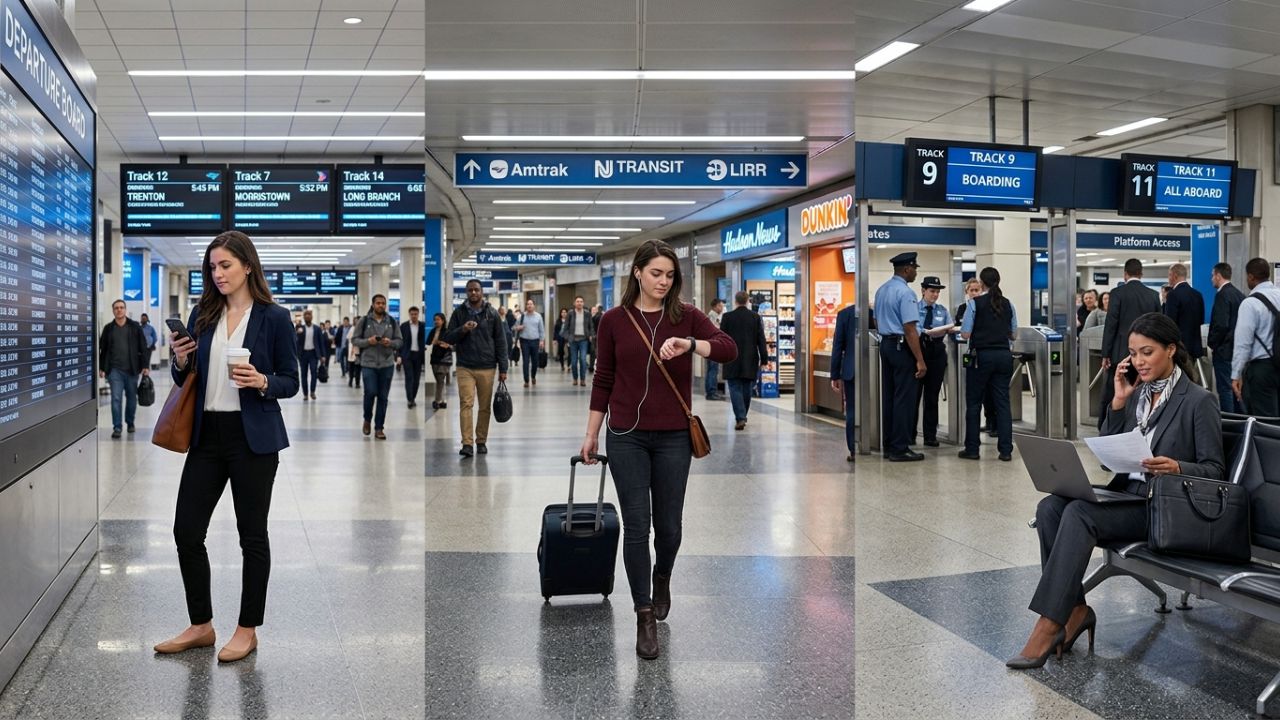
Image generated by AI
A major safety emergency has paralyzed the Northeast Corridor's busiest passenger tracks after a trackside brush fire erupted near the Hudson River Tunnels. The intense blaze, located in Secaucus, New Jersey, has triggered a massive Penn Station rail standstill, halting all incoming and outgoing train service into Manhattan during a high-volume travel period. With smoke and active flames burning directly alongside the railway, transit operators suspended operations to protect emergency crews and passenger coaches from thermal and electrical hazards.
NJ Transit has shared dramatic video footage showing thick black smoke rising from the railway infrastructure, highlighting the immediate threat to critical electrical, signaling, and communication cables. As firefighters and track inspectors work to contain the blaze, daily commuters and summer tourists are facing widespread delays and sudden cancellations. The sudden service suspension has renewed intense scrutiny regarding the vulnerability and operational resilience of the aging rail infrastructure connecting New Jersey with New York City.
Quick Summary
- Massive Service Shutdown: A trackside brush fire in Secaucus, New Jersey triggered a complete Penn Station rail standstill, halting all direct transit into Manhattan.
- Video Evidence Shared: NJ Transit released official video footage showing heavy smoke and active flames burning directly alongside critical railway tracks.
- Urgent Safety Inspections: Dispatch teams are auditing track stability, signaling cables, and high-voltage catenary wires before resuming normal operations.
- Commuter Rerouting Active: Rail tickets and passes are being cross-honored on regional bus networks, PATH trains, and private carriers to manage congestion.
- Infrastructure Vulnerability: The incident has intensified regional debates regarding the modernization and long-term resilience of the shared Hudson River Tunnel system.
Context: Secaucus Trackside Fires and the Penn Station Rail Standstill
The transition from a routine commute to a full transportation halt highlights the delicate nature of major metropolitan transit corridors. The tracks in Secaucus, New Jersey serve as the primary gateway for trains entering and leaving the Hudson River Tunnels, a critical bottleneck for the entire regional economy. When a trackside fire erupts, the combination of extreme heat, dense soot, and potential electrical faults forces immediate, zero-compromise shutdowns to prevent catastrophic train failures.
To review active travel guidelines and find out if your route is affected, consult the official NJ Transit safety advisory page. For information on regional infrastructure developments and long-term corridor resilience, the Amtrak infrastructure portal outlines active projects designed to modernize the Northeast Corridor.
Incident Details: Video Evidence and the Penn Station Rail Standstill
The emergency unfolded rapidly on Wednesday, May 21, 2026, when flames broke out near the rail tracks in Secaucus, New Jersey, just outside the Hudson River Tunnels. The proximity of the fire to the vital underwater rail portals created immediate urgency for emergency response teams.
The physical scope of the fire and the subsequent regulatory response includes:
- Trackside Video Release: Official video shared by transit authorities captured heavy smoke billowing from the railway bed, with flames burning dangerously close to electrical signaling enclosures.
- Precautionary Rail Freeze: Operations in both directions were suspended instantly to shield passenger crews, commuters, and responding firefighters from live catenary wires.
- Multi-Agency Mobilization: Secaucus firefighters and rail safety engineers were dispatched directly to the tracks to suppress the flames and conduct physical audits.
- Transit App Alerts: Commuters were directed to check the mobile app for real-time service modifications, schedule changes, and alternate routing paths.
- Ticketing Accommodation: NJ Transit established cross-honoring terms, allowing affected passengers to ride regional buses and PATH trains at no additional charge.
Critical Risks and Infrastructure Vulnerabilities
The Secaucus trackside fire introduces several critical operational hazards for the metropolitan transit network:
- Signaling and Communication Damage: Extreme heat can melt fiber-optic signaling cables, leading to prolonged manual switching delays.
- Catenary Wire Thermal Strain: Exposure to flames risks damaging high-voltage overhead power lines, requiring extensive post-fire engineering repairs.
- Track Alignment Shifts: Intense fires burning directly alongside the railway can warp steel rails, compromising safe train operations.
- Severe Regional Congestion: Delays at Penn Station New York quickly cascade across multiple state lines, impacting transit schedules from Boston to Washington, D.C.
- Commuter Panic and Crowding: Stranded travelers attempting to find alternate ferries, PATH trains, or buses create severe bottlenecks at secondary hubs.
What Authorities Are Saying
Transit managers and emergency coordinators are prioritizing passenger safety and operational recovery while firefighters bring the trackside fire under control. Officials emphasize that rigorous safety assessments must be fully completed before trains are cleared to run through the Secaucus corridor.
During their initial briefings, safety representatives noted:
- Cause Remains Unknown: The exact origin of the brush fire has not been determined, with potential factors including dry vegetation, seasonal weather, electrical faults, or trackside sparks under investigation.
- Infrastructure Scrutiny: Community leaders highlighted that incidents of this scale emphasize the fragility of the region's transport network and the urgent need for modernization.
- Patience Requested: Commuters are being asked to remain patient, avoid crowded platforms, and utilize cross-honoring services where available.
Practical Commuter Advice: Penn Station Rail Standstill Checklist
To help protect your travel schedule and navigate major rail suspensions safely, safety experts recommend following this checklist:
- Monitor Live Mobile Alerts: Keep a close watch on the official NJ Transit app for real-time routing adjustments and gate changes.
- Utilize Ticket Cross-Honoring: Use your existing rail pass on PATH trains, municipal buses, and private carriers without purchasing additional tickets.
- Plan Secondary Routes: Familiarize yourself with regional ferry schedules, bus routes, and alternate PATH stations in New Jersey and Manhattan.
- Avoid Crowded Concourses: If Penn Station is congested, wait in nearby public plazas or secondary terminals until your train is cleared.
- Report Trackside Hazards: Contact transit personnel immediately if you observe smoke, flames, or loose trackside debris near active rail lines.
- Carry Essential Supplies: Keep backup mobile chargers, water, and basic travel supplies close by to manage extended delay periods.
Broader Context: Aging Infrastructure and Regional Transit Security
The Secaucus trackside fire once again draws attention to the structural fragility of the transit systems operating within the nation's most densely populated metropolitan region. The shared Hudson River Tunnel system represents a single point of failure for both regional commuters and long-distance travelers. When unexpected events occur near this corridor, the disruptions spread rapidly across multiple transit systems, showing that aging infrastructure requires substantial long-term investment, trackside safety zoning, and accelerated modernization to ensure regional transport security.
Looking Ahead: Forensic Inspections and Corridor Recovery
Once the trackside area is declared completely safe, forensic investigators will conduct a detailed examination to determine the fire's origin. Engineers will perform physical inspections of the steel tracks, signaling systems, and overhead catenary wires to identify any necessary repairs.
In the coming weeks, transportation authorities will coordinate with municipal teams to manage trackside vegetation, reducing the risk of late-spring brush fires before the hot summer months arrive. Commuters are advised to stay patient, check real-time digital schedules, and plan their travels with flexibility as operations return to normal.
Conclusion: Safe Planning and Infrastructure Resilience
The unseasonable Penn Station rail standstill serves as an essential reminder that successful metropolitan travel requires active preparation, flexible routing, and patient cooperation. By utilizing cross-honoring options, monitoring real-time transit alerts, and planning alternate paths, you can successfully minimize the financial and logistical impact of trackside disruptions. Cooperation, safety compliance, and mutual respect remain the core foundations for a secure journey.
Frequently Asked Questions (FAQ)
What caused the Penn Station rail standstill in Secaucus?
The standstill was triggered by an intense trackside brush fire in Secaucus, New Jersey, which forced the suspension of rail service into and out of Manhattan for safety reasons.
What did the video released by NJ Transit show?
The official video captured heavy black smoke and active flames burning directly alongside the critical railway tracks and electrical signaling infrastructure.
Are alternate transit options available during the rail standstill?
Yes. NJ Transit is cross-honoring rail tickets and passes on regional bus networks, PATH trains, and private carriers to help passengers continue their journeys.
What are the main hazards of a brush fire near railway tracks?
Trackside fires can damage signaling cables, warp steel rails, disrupt high-voltage overhead catenary wires, and create hazardous zero-visibility smoke in tunnels.
Why is the Hudson River Tunnel system considered a critical bottleneck?
The tunnel system serves as the primary rail link connecting New Jersey with New York City, meaning any service suspension immediately disrupts transit across the entire Northeast Corridor.
Related Travel Guides
- Texas Expands Birth Tourism Crackdown: Legal Realities for International Travelers
- Penn Station Standstill After Intense Trackside Brush Fire Erupts in Secaucus Near the Hudson River Tunnels, Suspending NJ Transit Rail Services: New Travel Alert
- Germany Issues Urgent Economic Travel Warning as Soaring Fuel Prices Force European Tourists to Abandon Expensive Mediterranean Hotspots for Budget-Friendly Croatia: New Travel Alert
Disclaimer
This article is for informational and educational purposes only. It does not constitute legal, financial, or professional advice. While we strive to provide accurate and up-to-date information, travel policies, regulations, and conditions change rapidly. Always verify information with official sources before making travel decisions. Nomad Lawyer makes no representations about the accuracy, reliability, completeness, or suitability of the information provided. Readers should consult qualified professionals for advice specific to their circumstances. The views expressed in this article are those of the author and do not necessarily reflect the views of Nomad Lawyer.
Kunal K Choudhary
Co-Founder & Contributor
A passionate traveller and tech enthusiast. Kunal contributes to the vision and growth of Nomad Lawyer, bringing fresh perspectives and driving the community forward.
Learn more about our team →