
Penang Hotels Hit 100% Occupancy During Extended Holiday Weekend Boom
Penang experienced a tourism explosion during a rare extended holiday weekend, with hotels across George Town and Batu Ferringhi reaching full occupancy as thousands of Malaysian travellers descended on the island.

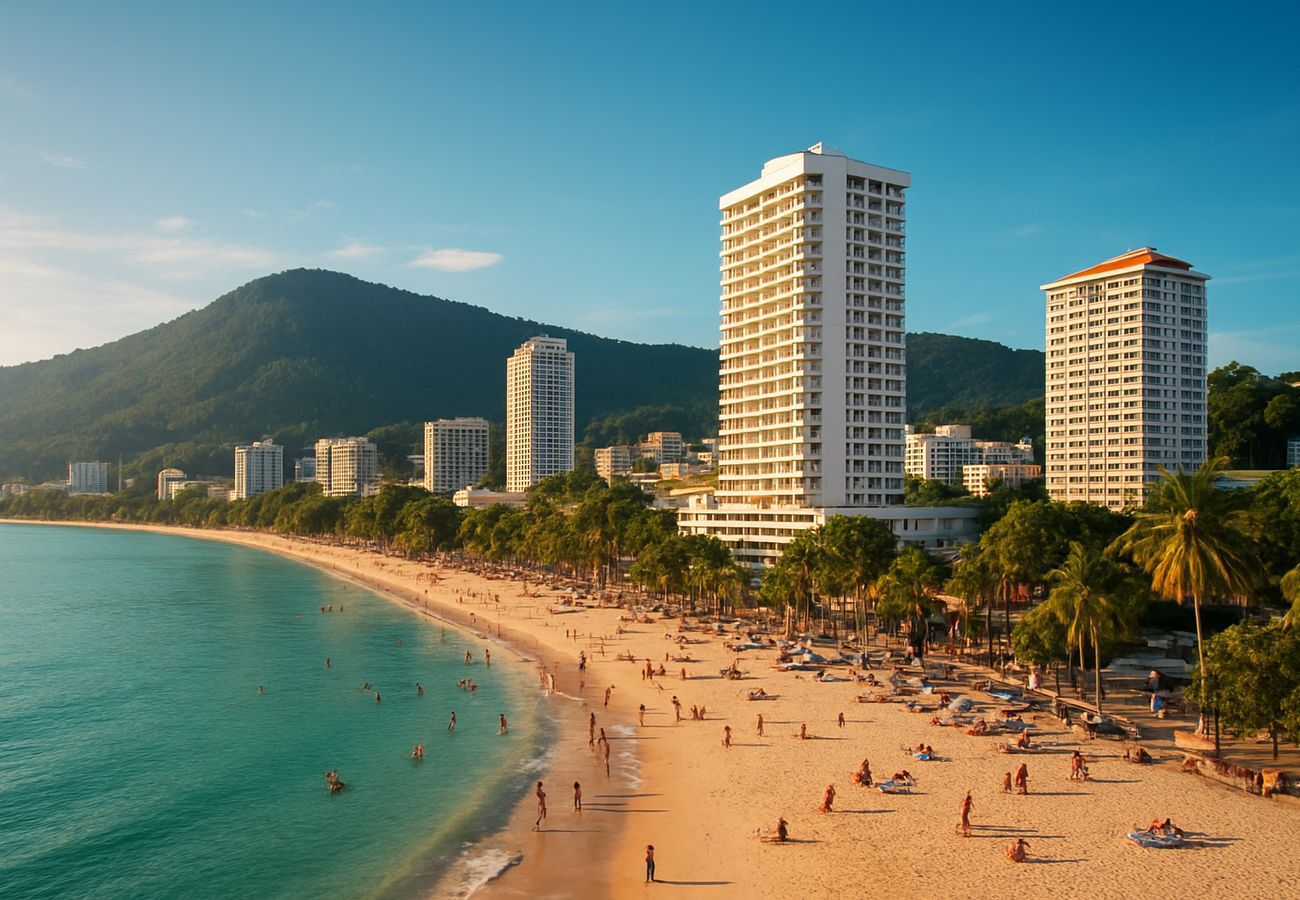
Image generated by AI
Penang experienced something rarely seen in the Southeast Asian hospitality industry: near-total hotel saturation across an entire destination during a single extended weekend.
The island's accommodation sector is still recovering from what can only be described as a perfect storm of tourism demand. When the Wesak Day, Hari Raya Aidiladha, and the Official Birthday of the Yang di-Pertuan Agong aligned to create an extended holiday period in June 2026, thousands of Malaysian travellers seized the opportunity for a domestic escape—and Penang's hotels paid the price.
Or rather, reaped the reward.
The Perfect Holiday Calendar Creates Unprecedented Demand
This wasn't a gradual uptick. The convergence of three major public holidays created a vacation window that hotels, resorts, and guesthouses had been preparing for weeks in advance. Yet even the most optimistic projections seemed to have underestimated what was coming.
Families, couples, and friend groups booked accommodations across the island with aggressive certainty. Early planners locked in reservations weeks prior. Last-minute adventurers scrambled for whatever remained available. By the time the long weekend arrived, the hospitality landscape had transformed completely.
Reddit: "Managed to book a room in Batu Ferringhi three hours before check-in. The receptionist said they'd had cancellations all day, but by evening even those were filled." — r/MalaysiaTravel
The surge wasn't confined to premium properties. Budget guesthouses, mid-range hotels, beachfront resorts—across every category and price point, occupancy rates climbed steadily toward full capacity.
George Town's Heritage Streets Become Ground Zero for Tourism
The UNESCO World Heritage zone of George Town emerged as the epicenter of visitor activity. The historic heart of Penang, with its colonial-era architecture, vibrant street art, and centuries-old temples, proved irresistible to both domestic and international travellers seeking cultural immersion.
Walking tours were booked solid. Photography expeditions filled the narrow lanes where famous murals and traditional shophouses created Instagram-worthy moments at every corner. Visitors moved through the historical district like a tide—constant, relentless, and deeply engaged with what they were experiencing.
Local business owners reported that the volume of foot traffic overwhelmed expectations. Souvenir shops, heritage cafés, and cultural attractions operated at maximum capacity throughout the three-day period. The economic ripple effect extended far beyond accommodation—every link in the tourism chain benefited.
Culinary Tourism Drives Restaurant Chaos Across the Island
Penang's global reputation as a world-class food destination became the second major driver of the tourism explosion. The island's legendary hawker culture and innovative dining scene attracted food enthusiasts who treated culinary exploration as seriously as sightseeing.
Long queues snaked around restaurants and hawker centres as visitors sought nasi kandar, Penang laksa, and char kuey teow. Viral dining establishments experienced wait times stretching into hours. Peak dining hours became sustained peak hours—restaurants simply couldn't accommodate the demand fast enough.
The food tourism sector generated significant economic activity for local operators, suppliers, and service providers. Small and medium-sized businesses throughout the tourism corridor experienced some of their strongest revenue days of the year. Food tourism had stopped being a secondary activity and become the primary reason many travellers chose Penang.
Batu Ferringhi's Beaches Reached Maximum Capacity
Beyond the heritage zone, Batu Ferringhi transformed into a beach resort destination operating at full saturation. Families descended on the sandy shores seeking coastal relaxation, water activities, and seaside dining experiences.
The iconic sunsets over the Andaman Sea drew massive evening gatherings along the waterfront. Resorts reported occupancy rates between 90-100 percent, with beachfront establishments turning away walk-in customers by mid-afternoon. Entertainment venues, water sports operators, and seafood restaurants all benefited from the sustained visitor influx.
What made Batu Ferringhi's surge particularly notable was the demographic diversity—young families, couples, senior travellers, and multi-generational groups all converged on the same stretch of coastline, creating an environment of controlled chaos that somehow worked.
Penang Hill Records Staggering Passenger Volumes
The funicular railway to Penang Hill became a fascinating case study in tourism capacity limits. The iconic hilltop attraction, offering panoramic views and cooler mountain air, drew queues so substantial that passenger statistics tell the story more vividly than any narrative.
According to official data, the funicular recorded:
- 7,400 passengers on Thursday
- 8,300 passengers on Friday
- 8,800 passengers on Saturday
This wasn't flat demand—it was accelerating demand over three consecutive days. Each day brought more visitors seeking the breathtaking vistas and natural beauty that have made Penang Hill a benchmark tourism attraction for decades.
The attraction's consistent growth demonstrated that visitor interest extended far beyond the city's urban and coastal zones into its natural attractions. Long queues formed continuously, yet the operator maintained orderly access even as capacity constraints became undeniable.
Hotel Occupancy Reaches Near-Perfect Levels Across Multiple Zones
Here's where the data becomes genuinely remarkable. According to Tony Goh, chairman of the Malaysian Association of Hotels Penang Chapter, accommodation providers across the island reported occupancy rates that hover at the ceiling of what's practically achievable.
Hotels in George Town, Batu Ferringhi, and surrounding tourism zones reported occupancy rates ranging between 90 and 100 percent. Several properties achieved total occupancy—every room booked, zero inventory available.
This isn't the typical summer surge or holiday spike that hospitality managers budget for. This is saturation. This is the moment when hotels must turn away customers because there's literally nothing left to sell.
The economic implications are substantial. According to State Tourism and Creative Economy Committee chairman Wong Hon Wai, tourism activity began accelerating several days before the official holiday period, extending the peak demand window beyond just the weekend itself.
Economic Ripple Effects Extend Beyond Hotels
The hospitality sector wasn't the only beneficiary. Tourism-related enterprises throughout Penang experienced cascading economic benefits. Transportation services, tour operators, souvenir retailers, entertainment venues, and F&B establishments all saw measurable increases in customer spending.
Small and medium-sized businesses operating within major tourism districts reported stronger sales performance and significantly increased foot traffic. The benefits distributed across multiple economic sectors, creating a genuine tourism multiplier effect that benefits far more than just accommodation providers.
Balik Pulau's Durian Orchards Attract Seasonal Fruit Tourism
The tourism surge extended beyond traditional urban and coastal zones into Balik Pulau, the island's renowned durian-producing region. Premium fruit enthusiasts travelled to experience one of Malaysia's most respected durian orchards, transforming agricultural tourism into a meaningful revenue stream during the extended holiday.
Seasonal agricultural tourism has become an increasingly important component of Penang's diversified tourism offerings. The holiday period provided an ideal window for travellers to explore this unique agritourism attraction, further distributing visitor spending across the island's geography.
What This Means for Future Holiday Planning
The data from this extended weekend offers clear lessons for both hospitality operators and potential travellers. Future extended holiday periods will likely trigger similar demand surges—perhaps even more aggressive, as word spreads about Penang's capacity to absorb large visitor volumes.
For travellers seeking accommodation during similar aligned-holiday scenarios, early booking becomes not just advisable but essential. Waiting until days before departure will mean either paying premium last-minute rates or accepting significant geographic compromises.
For hotels, this weekend demonstrated that demand can exceed supply even when occupancy projections were considered aggressive. Capacity planning for future holiday periods will likely require reassessment.
The extended holiday weekend of June 2026 will be remembered as the moment when Penang's hospitality sector hit its practical capacity limits—and discovered that demand still exceeded supply.
Penang's hotels learned a valuable lesson: sometimes your greatest challenge is having too many customers and not enough rooms.
Related Travel Guides
Hidden Constraint Holding Back AI in Travel Hospitality 2026
Colombia Surges Past Canada, Mexico to Lead Brazil Tourism Boom 2026
Travel Frustration Reaches Crisis Point: 899 Flights Delayed, 70 Cancelled
Disclaimer
This article is for informational and educational purposes only. It does not constitute legal, financial, or professional advice. While we strive to provide accurate and up-to-date information, travel policies, regulations, and conditions change rapidly. Always verify information with official sources before making travel decisions. Nomad Lawyer makes no representations about the accuracy, reliability, completeness, or suitability of the information provided. Readers should consult qualified professionals for advice specific to their circumstances. The views expressed in this article are those of the author and do not necessarily reflect the views of Nomad Lawyer.
Raushan Kumar
Founder & Lead Developer
Full-stack developer with 11+ years of experience and a passionate traveller. Raushan built Nomad Lawyer from the ground up with a vision to create the best travel and law experience on the web.
Learn more about our team →