
Colombia Surges Past Canada, Mexico to Lead Brazil Tourism Boom 2026
Colombia overtakes Canada, Mexico, and Peru as Brazil's top visitor source in 2026. Record 4.33M arrivals January-April reveal a dramatic regional tourism shift driven by improved air connectivity and strategic marketing.

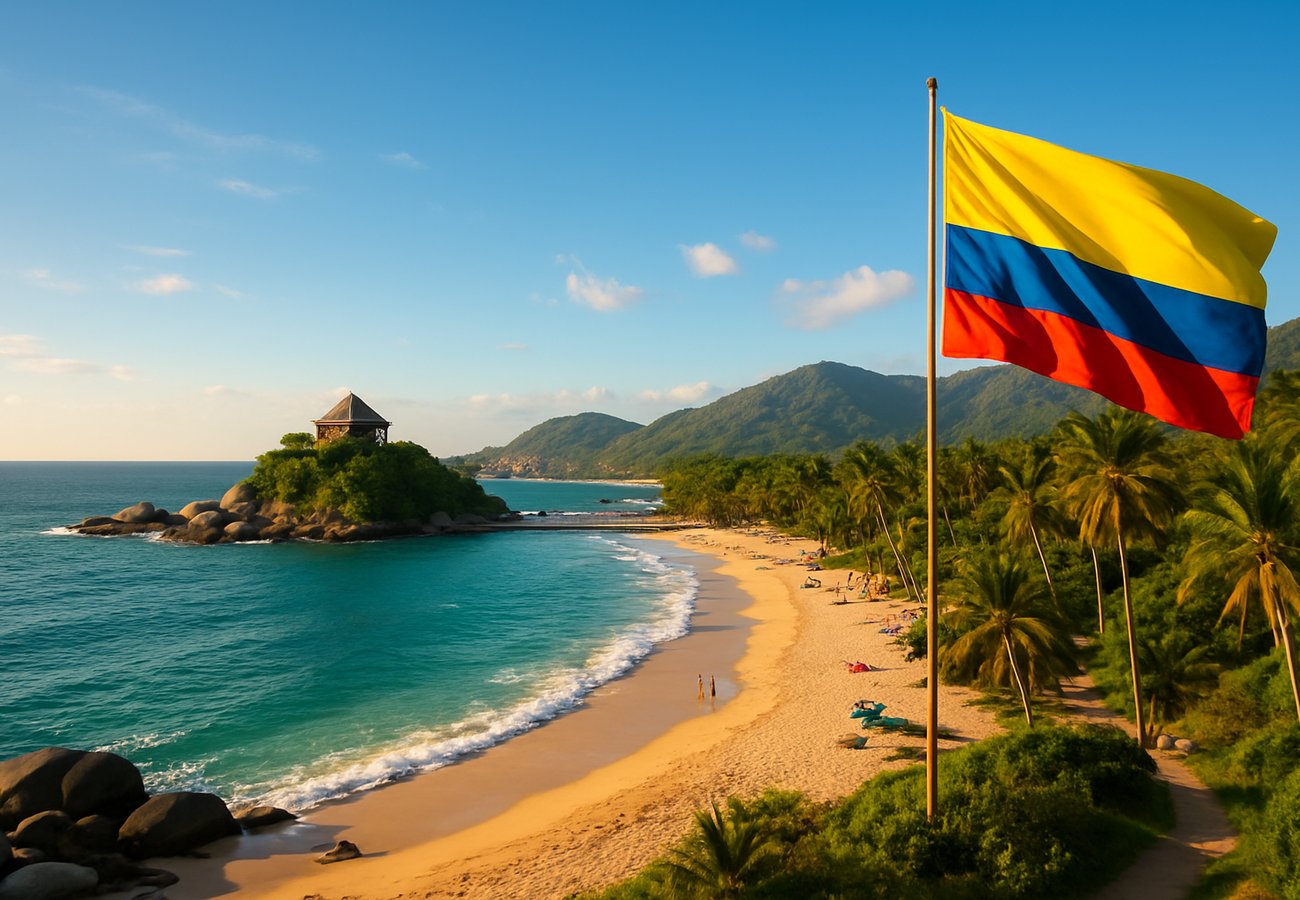
Image generated by AI
The Unexpected Regional Upset That's Reshaping Brazil's Tourism Map
Colombia has pulled off a stunning feat that few tourism analysts predicted: it's now the fastest-growing source of international visitors to Brazil, crushing traditional powerhouses like Canada, Mexico, Peru, Chile, and Uruguay in year-on-year growth rates. Between January and May 2026, this South American neighbor has fundamentally rewritten Brazil's visitor-source hierarchy, signaling a seismic shift in how the region's travel economy operates.
The numbers tell the story. According to Embratur (Brazil's national tourism board) and the Ministry of Tourism, Colombia's visitor numbers surged approximately 37.2% compared to their previous performance—the highest growth rate among all major markets tracked in early 2026. For context, Canada achieved 12.9% growth and Mexico posted 33.4%, both respectable but trailing Colombia's explosive trajectory by a wide margin.
Reddit: "Just booked a flight from Bogotá to Rio. The prices have gotten way more competitive, and everyone's suddenly talking about visiting Brazil. Makes sense now." — r/travel
Record-Shattering Arrivals Data: January to May 2026
Brazil's tourism sector is experiencing what officials are calling an unprecedented boom. The statistics from early 2026 are staggering:
4.33 million international visitors arrived between January and April alone—already matching some of the highest volume periods in Brazilian history. When you factor in May numbers, the first five months of 2026 represent one of the most explosive tourism openings on record.
The first quarter (January–March) alone saw 3.74 million international tourists—the best first-quarter performance in Brazil's history. This wasn't a fluke spike; sustained growth carried through April and into May, demonstrating genuine, structural demand rather than a temporary surge.
These figures are even more remarkable when you consider that Brazil just closed 2025 with over 9.2 million international arrivals, the highest annual total ever recorded. The country isn't just maintaining momentum—it's accelerating it.
Why Colombia Is Suddenly Brazil's Biggest Growth Driver
The question isn't hard to ask: what's driving Colombian travelers to Brazil in unprecedented numbers?
Improved air connectivity is the first culprit. Airlines have expanded routes between Bogotá, Medellín, and major Brazilian hubs, slashing travel times and ticket prices. What once required multiple connections now happens with direct flights, dramatically lowering the friction for Colombian families and business travelers considering a Brazilian getaway.
Strategic marketing campaigns from Brazil's Ministry of Tourism and Embratur have explicitly targeted the Colombian market, positioning Brazil as an accessible, affordable neighbor with world-class attractions. Government officials have emphasized that diversifying source markets is critical to long-term tourism sustainability—and Colombia represents a lucrative emerging middle-class demographic.
Cultural and economic integration within the region is also playing a role. Rising disposable incomes in Colombia, combined with the relative stability of Brazilian currency exchange rates, have made Brazil an attractive destination for leisure and business travel. The psychological barrier that once separated these markets has effectively disappeared.
Where Colombian Travelers Are Actually Going
The inbound surge isn't dispersed randomly across Brazil—it's concentrated in the country's most iconic destinations:
Rio de Janeiro remains the gravitational center. Beaches like Copacabana and Ipanema, combined with landmarks such as Sugarloaf Mountain and Christ the Redeemer, make Rio the default first stop for international visitors. Colombian travelers are no exception to this pattern.
São Paulo—Brazil's economic engine and largest city—is capturing serious international interest. The city's world-class museums, Michelin-starred gastronomy scene, and vibrant nightlife are pulling in business travelers and cultural tourists in equal measure.
Iguaçu Falls, straddling the Brazil-Argentina border, remains one of the planet's most awe-inspiring natural spectacles. The thunderous cascades and lush subtropical rainforest ecosystem pull ecotourism-minded travelers from across Latin America.
The Amazon Rainforest is experiencing a renaissance in international visitation. River cruises, lodge-based ecotourism, and immersive jungle experiences are attracting environmentally conscious travelers seeking authentic biodiversity encounters.
Bahia's coastline in the northeast is emerging as an increasingly popular secondary destination, with colonial towns like Salvador and pristine beaches drawing travelers interested in Afro-Brazilian cultural heritage and coastal relaxation.
Reddit: "Visited Brazil for the first time this spring. Spent two weeks: Rio, São Paulo, Iguaçu, then Amazon. Best decision ever. Everyone from Colombia I met said the same thing—prices are finally competitive from Bogotá." — r/SouthAmerica
The Bigger Picture: Argentina Still Leads, But the Hierarchy Is Shifting
Let's be clear about one thing: Argentina remains the largest absolute contributor of international visitors to Brazil. Argentine travelers still outnumber Colombians by sheer volume—this isn't a complete inversion of the tourist hierarchy.
What's happening is more nuanced and arguably more significant. Brazil is successfully diversifying away from regional dependency. For decades, tourism to Brazil was heavily reliant on a handful of neighboring countries. Now, the market is broadening: Canada achieved record absolute arrivals despite lower growth rates. Mexico and Peru posted healthy increases. China, European countries, and the United States all contributed meaningfully to the total.
Colombia's 37.2% growth rate is the headline, but it's really just the most dramatic example of a broader geographical expansion. Brazil is becoming a truly global destination, not a regional one.
Government Strategy: The Plano Brasil Effect
This tourism explosion didn't happen by accident. Brazil's Ministry of Tourism and Embratur have been executing a coordinated strategy centered on three pillars: expanding air connectivity, targeted international marketing through the Plano Brasil initiative, and strengthening on-ground tourism infrastructure.
Officials have been explicit about their priorities: diversifying source markets reduces risk and creates sustainable long-term growth that isn't dependent on any single neighboring country's economic cycles.
The Brazilian Tourism Board's official strategy documents emphasize data-driven destination marketing and strategic partnerships with regional airlines and hospitality providers—investments that are clearly paying dividends.
The Outlook: Can Brazil Sustain This Momentum?
With 4.33 million arrivals just through April and sustained growth across multiple continents, Brazil is on track to shatter its 2025 record of 9.2 million annual arrivals. Some projections suggest the country could exceed 10 million international visitors in 2026—a genuinely historic milestone.
The real question isn't whether Brazil will hit that target. It's whether the country's tourism infrastructure can handle it without degrading the visitor experience. Popular destinations like Rio and Iguaçu are already experiencing crowding during peak seasons. Hotels, restaurants, and transportation services in major hubs are operating near capacity.
Continued investment in destination infrastructure, smart capacity management, and secondary destination development will be critical to sustaining this trajectory through the rest of the year and beyond.
Colombia's ascent as Brazil's fastest-growing visitor source is no longer speculation—it's demographic reality that's reshaping how the entire region thinks about international travel.
Brazil's tourism boom is real, measured, and just getting started—and Colombia's leading the charge.
Related Travel Guides
Disclaimer
This article is for informational and educational purposes only. It does not constitute legal, financial, or professional advice. While we strive to provide accurate and up-to-date information, travel policies, regulations, and conditions change rapidly. Always verify information with official sources before making travel decisions. Nomad Lawyer makes no representations about the accuracy, reliability, completeness, or suitability of the information provided. Readers should consult qualified professionals for advice specific to their circumstances. The views expressed in this article are those of the author and do not necessarily reflect the views of Nomad Lawyer.
Kunal K Choudhary
Co-Founder & Contributor
A passionate traveller and tech enthusiast. Kunal contributes to the vision and growth of Nomad Lawyer, bringing fresh perspectives and driving the community forward.
Learn more about our team →